Property Management in Netanya: Local Specifics and Property Maintenance
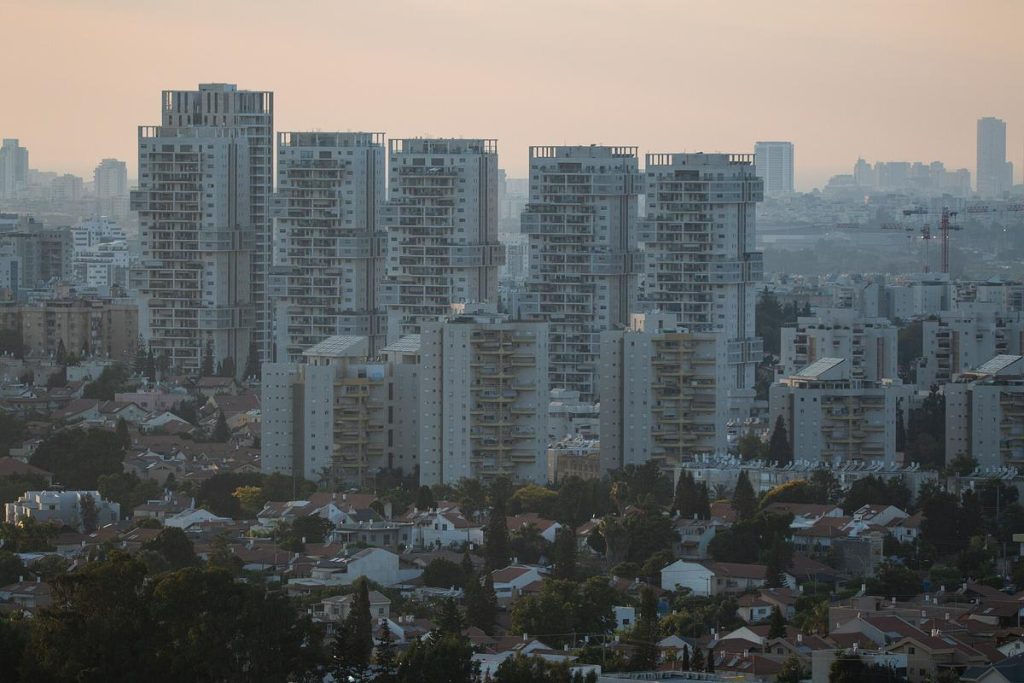
Property management in Netanya requires adaptation to local specifics, particularly regarding proximity to the sea and the type of neighborhood. For high-end beachfront properties, we monitor the impact of salt on technical equipment such as the mazgan. For new builds, we coordinate recourse with builders via a bedek bayit building inspection. Securing income relies on the use of the shtar ’hov and indexing the rent to the cost-of-living index.
Quick answer: Property management in Netanya involves handling maintenance, tenant relations, and legal compliance for residential and commercial units. Local expertise is crucial for navigating specific municipal regulations and addressing common issues like coastal humidity and aging infrastructure.
The beach sector and high-end residence management
Buildings located on the Netanya coastline require more frequent technical maintenance. Salt-laden air accelerates the corrosion of the outdoor units of mazgan air conditioning systems. We schedule regular checks to clean filters and inspect compressors to prevent total failure during the peak summer season. Neglected maintenance in this sector reduces the lifespan of appliances more quickly than in inland areas.
The choice between seasonal rentals and long-term rentals changes the administrative management. Seasonal rentals require traveler rotation logistics, while long-term rentals demand rigorous solvency monitoring. For owners residing abroad, managing your real estate in Israel from a distance allows you to delegate both models without a physical presence. We manage check-ins and check-outs, key handovers, and move-in/move-out inspections for luxury properties, where tenant standards are higher.
High-end residences often include additional services such as a pool or security. These services increase the amount of vaad bayit homeowners association fees. We verify the consistency of invoices issued by the building management every month to ensure that the paid services are actually provided. Monitoring vaad bayit invoices prevents overcharging related to poorly executed pool maintenance or landscaping services.
| Property Type | Major Technical Risk | GII Management Action |
|---|---|---|
| Beachfront apartment | Corrosion of the mazgan | Annual inspection of outdoor units |
| Residence with services | Increase in vaad bayit fees | Audit of homeowners association invoices |
| Luxury apartment | Rapid equipment degradation | Enhanced move-in/move-out inspections |
Residential neighborhoods and classic technical park management
In older Netanya neighborhoods, technical management focuses on hot water production installations. Solar water heater systems, known as doud shemesh, are omnipresent on rooftops. We bring in a professional to check the watertightness of the tanks and the condition of the solar collectors, as a leak can quickly impact the upper floor of the building. Unlike in many other countries where systems are often purely electric, the doud shemesh requires specific attention to the maintenance of solar components.
Managing vacant properties requires strict administrative follow-up, particularly regarding municipal tax arnona. Even without a tenant, the municipality continues to issue invoices. We ensure that payments are made to avoid late penalties or seizures of the owner’s accounts. We also verify that the property status is correctly declared with the municipality to avoid taxation errors.
The presence of a mamad, a secure room complying with civil protection standards, changes apartment management. We check the proper functioning of the reinforced doors and the ventilation systems of this room during inspection visits. A mamad in good condition is a major rental argument in Israel, but it requires checking the door seal integrity to maintain the room’s compliance.
For small household equipment, we maintain a network of local tradespeople. Whether it is a leak under a sink or an electrical problem, we coordinate a technician’s intervention to limit property downtime. This reactivity is essential to maintain tenant satisfaction and rental income stability.
Development zones and new building monitoring
Purchasing an apartment in a new development program in Netanya exposes the owner to risks of construction defects. Upon receiving the keys, we proceed with a bedek bayit building inspection. We bring in a professional to test window watertightness, water pressure, and the quality of finishes. This step is crucial to identify defects before builder warranties become difficult to exercise. In Israel, managing disputes with the developer requires precise documentation of the defects noted during reception.
Once the building is occupied, we follow the implementation of the first vaad bayit regulations. In new developments, living rules and fee distribution methods are not always stabilized. We assist in understanding the homeowners association regulations to inform tenants of their obligations. This includes the use of common areas, parking, and green spaces.
New apartments often integrate home automation technologies or advanced security systems. We adapt the lease to specify each party’s responsibilities regarding this equipment. If a centralized management system for air conditioning or lighting fails, the contract must define whether the repair is the responsibility of the owner or the tenant based on usage. We list these items precisely in Property management documents in Israel: the complete list to avoid any future disputes.
Management of inherited properties in Netanya
Managing a property resulting from an yerusha presents higher legal complexity. Before any lease is signed, we verify the validity of the tsav yerusha, the inheritance order issued by the family court. Without this document, no tenant can legally occupy the property and no contract can be validated. We ensure that the legal capacity of the signatories is established.
For day-to-day management, we collect the teoudat zeout of all heirs. This identity document is indispensable for any administrative procedure in Israel, particularly for opening or managing a bank account dedicated to the property. Managing shared assets requires constant coordination for the payment of charges and the distribution of income. We act as the interface between the heirs, who may be located abroad, and local institutions.
Complex inheritance cases involving non-resident owners require increased vigilance regarding the transmission of instructions. We centralize decisions concerning major repairs or changes in tenants to avoid decision-making deadlocks. Our role is to ensure that property management is not interrupted by the processing times of inheritance files with the Israeli authorities.
Securing income and local rental guarantees
In Israel, a classic security deposit does not constitute sufficient protection. We prioritize the drafting and monitoring of the shtar ’hov. This promissory note is signed by the tenant and their arev, the guarantor. The shtar ’hov allows for claims to be made in case of damage or non-payment without having to deposit funds immediately upon signing. We verify the validity of the guarantor’s signature to ensure the effectiveness of this guarantee.
Rent does not remain fixed. We apply an annual indexation based on the Israeli cost-of-living index. This practice is standard and helps maintain the purchasing power of the rental income against local inflation. We calculate this revision on each lease anniversary to avoid any long-term loss of value.
In case of persistent non-payment, we initiate recovery procedures. This may involve exchanges with the reshut ha-misim regarding tax aspects related to uncollected income. Managing rental disputes requires sharp knowledge of local customs to move quickly from an amicable phase to a formal recovery phase. For a global approach to your assets, consult our property management services.
Before signing a lease in Netanya, always demand a copy of the tenant’s teoudat zeout and that of their arev. Verify that the shtar ’hov is correctly completed and that the rent indexation is explicitly mentioned in the contract to protect your yield.
Frequently asked questions
What are the main challenges of property maintenance in Netanya?
Properties in Netanya often face challenges related to coastal climate, such as humidity and salt air, which can accelerate wear on building materials. Additionally, many buildings in the city are older, requiring more frequent structural inspections and repairs to meet safety standards.
How does local knowledge benefit property owners in Netanya?
Local managers understand the specific municipal building codes and zoning laws that apply to Netanya. This knowledge helps ensure that renovations and maintenance work are compliant and avoids costly legal issues or delays in approval processes.
What services are typically included in professional property management?
Standard services include rent collection, tenant screening, routine maintenance coordination, and emergency repair handling. Many managers also assist with lease agreements and handle communication with local utility providers and municipal authorities.
Why is specialized management needed for commercial properties in Netanya?
Commercial properties in Netanya, particularly in business districts, require management that understands the specific regulatory environment for commercial tenants. This includes handling complex lease structures and ensuring compliance with business operating regulations.

Gestion locative en Israël pour propriétaires francophones. Bureaux à Netanya, 26 Dizengoff. Une question sur votre bien ? Écrivez-nous.