Condominium Maintenance and Rental Management in Rishon LeZion
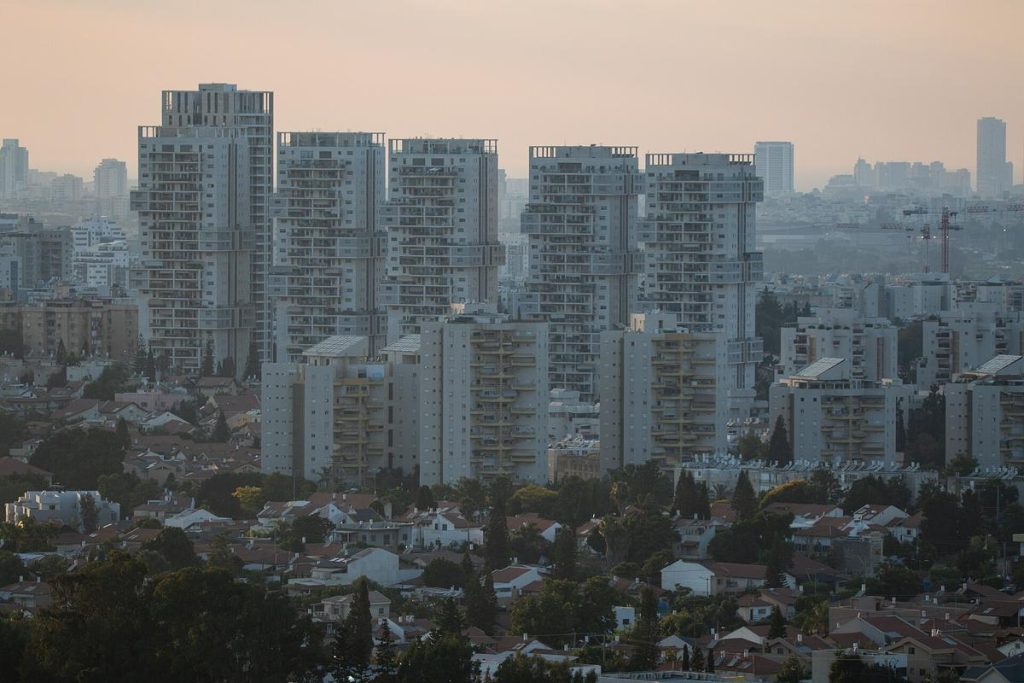
Managing building maintenance that affects a tenant in Rishon LeZion relies on a strict distinction between routine upkeep and structural renovations. The owner assumes all costs related to major structural work and must guarantee the quiet enjoyment of the property, even during building construction. To avoid disputes, we recommend systematically verifying the nature of the work with the vaad bayit and documenting the condition of the apartment before and after the intervention.
Identify the nature of the work via the vaad bayit
The vaad bayit manages the daily operations of the building and centralizes information regarding ongoing construction. To manage a rented apartment, we first request minutes from general meetings or notices of work posted in the lobby. This step allows us to differentiate emergency repairs, such as a leak in a main riser, from major renovation projects like facade restoration or roof waterproofing.
Construction work can significantly change how an apartment is used. We check if the construction blocks access to the mamad, which would pose a major security issue, or if it restricts the use of common areas essential to the tenant. A project to renovate water columns may lead to scheduled outages; the tenant must then be informed with sufficient notice so they can organize their daily life.
- Distinguish between emergency repairs in common areas and planned renovation projects.
- Verify if the work impacts the use of the mamad or access to common areas.
- Analyze the decision of the homeowners’ association to determine if the work is mandatory or optional.
- Compare the responsibility of the owner and the tenant based on the origin of the issue in the building.
The owner is responsible whenever the work concerns the structure or collective equipment. If the issue stems from a lack of maintenance in the common areas, it is the owner’s responsibility to file a claim with the vaad bayit. Conversely, if the tenant causes damage through inappropriate use of common equipment, the cost of the repair falls on them. This distinction is fundamental to prevent the owner from bearing costs that are not theirs.
Manage the noise and thermal impact of facade or doud shemesh work
Construction sites in Rishon LeZion often involve nuisances related to the climate and building configuration. Installing new doud shemesh systems on the roof may require work on terraces or balconies. We evaluate the impact of these installations on the tenant’s private use, particularly if drilling or welding is required in immediate proximity to their living spaces.
Noise is a frequent source of tension. To limit nuisances, we contact the construction company to negotiate specific time slots, avoiding drilling into load-bearing walls during rest hours. This is especially critical if the apartment has a mazgan whose outdoor unit must be moved or repaired as part of a facade upgrade.
- Evaluate the impact of installing new solar water heaters on the use of the terrace or balcony.
- Negotiate work windows to limit noise nuisances related to drilling load-bearing walls.
- Verify waterproofing after roofing work to prevent leaks in the rented apartment.
- Anticipate the installation of new air conditioning systems or collective mazgan units.
Waterproofing management is a major point of vigilance. After work on the roof or facades, we perform a visual inspection of ceilings and wall corners to detect any signs of moisture. A failure in waterproofing following building work can degrade the apartment and lead to a request for a rent reduction from the tenant. To understand how we manage these technical aspects, consult our article on Property Management in Netanya: Specifics and Maintenance.
Allocate costs between the owner and the tenant according to Israeli practice
The allocation of expenses does not follow the same rules as in other countries. In Israel, the distinction is made between operating expenses and investment expenses. The tenant pays for routine charges, while the owner finances improvements or structural repairs. We use the following table to clarify these responsibilities:
| Type of work | Owner responsibility | Tenant responsibility |
|---|---|---|
| Structural renovation (facade, roof) | Full cost of major structural work | No cost (except usage) |
| Routine maintenance of common areas | Included in overall charges | Shared according to the lease agreement |
| Repair due to inappropriate use | No cost | Full reimbursement of damages |
When construction causes a manifest loss of enjoyment, such as the inability to use a balcony or a significant reduction in elevator access, the tenant may request a temporary rent adjustment. We apply rent indexation rules to adjust amounts if the contract provides for it. It is crucial to distinguish vaad bayit management fees, which are recurring charges, from exceptional assessments for building work, which are the exclusive responsibility of the owner.
- Apply rent indexation rules if the work results in a loss of enjoyment.
- Check the lease agreement clauses regarding exceptional building work.
- Distinguish between vaad bayit management fees and exceptional work expenses.
Perform a bedek bayit after major building work
Once the building work is completed, the condition of the apartment must be checked. We recommend hiring a professional to perform a bedek bayit. This inspection ensures that vibrations or material handling have not caused damage invisible to the naked eye. We specifically check for the absence of cracks in load-bearing walls and partitions, as well as the integrity of windows and blinds, which are often exposed during facade work.
The inspection also covers common equipment that directly impacts the tenant. We check the proper functioning of the elevator, common area lighting, and, most importantly, access to the mamad. If the work involved modifications to utilities, we check water pressure and the functioning of electrical outlets. This process protects the owner against any subsequent claim from the tenant alleging that the work degraded their home.
- Have a professional confirm the absence of cracks following structural work.
- Verify the proper functioning of common installations (elevator, lighting, mamad access).
- Ensure that the work has not degraded private elements (blinds, windows).
- Document the condition of the apartment to protect the owner in case of a dispute with the tenant.
Documentation is the key to peaceful management. We take dated photographs before the start of construction and immediately after the bedek bayit. In the event of a dispute, this evidence is essential to demonstrate that the apartment was returned in the condition specified by the lease. For complete management including this technical follow-up, discover our property management services.
Manage disputes with the vaad bayit to protect the tenant
If the work drags on or if the quality of the interventions is poor, the owner must intervene with the vaad bayit. We do not just note the delays; we demand work justifications and updated construction schedules. These documents are necessary to justify to the tenant the maintenance or temporary modification of the rent. A tenant suffering from poorly managed construction can legitimately request compensation, and the owner must be able to rely on concrete facts to negotiate with the homeowners’ association.
Regulatory compliance is another point of control. We verify that the work carried out by the association respects the urban planning of the Rishon LeZion municipality. Non-compliant work can lead to administrative sanctions or complications during a future sale of the building. We use homeowners’ association meeting minutes to track progress and the use of voted funds, ensuring that the planned work is indeed what is being executed.
- Intervene with building management if work is delayed and nuisances affect the tenant’s life.
- Demand work justifications to support a request for a temporary rent reduction.
- Verify the compliance of the work with the Rishon LeZion municipal urban plan.
- Use homeowners’ association meeting minutes to track construction progress.
Secure the financial management of exceptional work
The financial management of building work requires constant vigilance to avoid billing errors. We verify that assessments intended for major structural work are never billed to the tenant. The tenant should only pay their routine vaad bayit charges. Any confusion in the invoices can create immediate conflict and compromise the contractual relationship. For more details on cost allocation, consult our article on Property Management in Israel: Prices and Fee Structure.
The impact of work may also concern local taxation. We ensure that the payment of arnona remains compliant, especially if building work modifies the living area or the building configuration, which could trigger a tax reassessment by the municipality. Furthermore, if the work is poorly executed and leads to a depreciation in the apartment’s value, we consult an expert to evaluate the impact on the real estate asset.
- Verify that assessments for work are not improperly charged to the tenant.
- Ensure that arnona payments remain compliant despite structural changes.
- Consult an expert to evaluate if an asset depreciation assessment is necessary after poorly executed work.
- Maintain written communication with the tenant for every decision made by the homeowners’ association.
During building work, always prioritize written communication. Every decision made in a general meeting or every construction delay should be the subject of an email sent to the tenant. This written record is your only legal protection to justify a lack of work or, conversely, to explain a temporary rent reduction.

Gestion locative en Israël pour propriétaires francophones. Bureaux à Netanya, 26 Dizengoff. Une question sur votre bien ? Écrivez-nous.