Construction Between Signing and Key Handover: Your Obligations in Israel
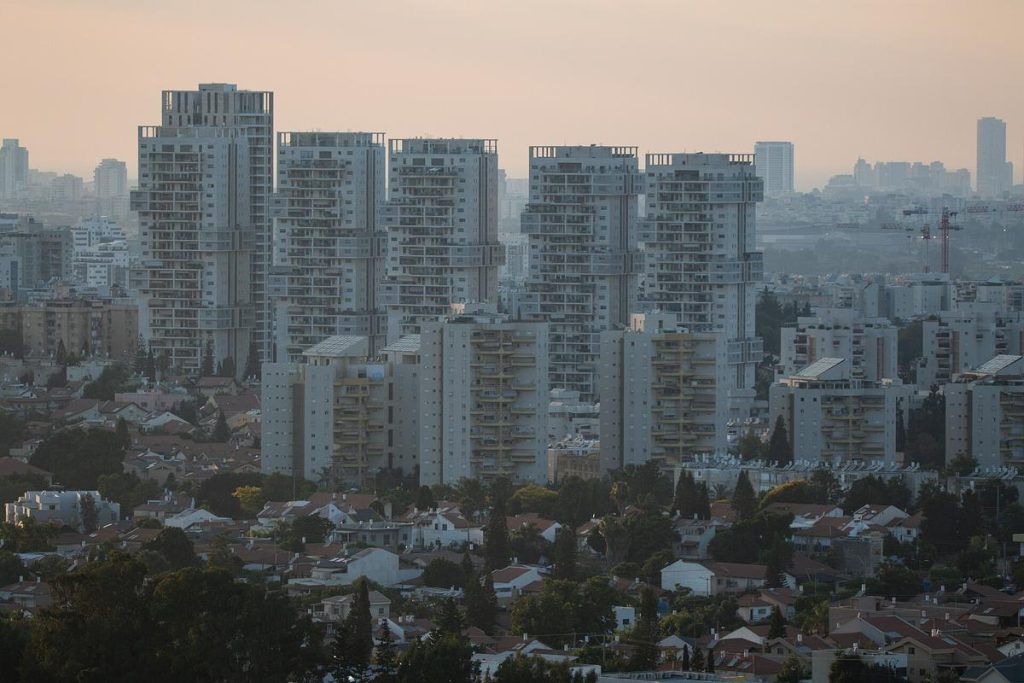
Between signing the lease and handing over the keys, the apartment remains your property. You are solely responsible for its condition. The tenant has no right to use the space before the handover report is signed. This period is for completing any corrective work identified during the initial inspection. You must deliver a property that is compliant, functional, and secure. The tenant cannot demand comfort upgrades, only those necessary for habitability and legal safety.
Lease signed, apartment empty: the contractor’s responsibility
Once the contract is signed, you are the sole decision-maker. The tenant awaits their home, but they do not yet have usage rights. You hire a professional to perform the work. In Israel, there is no mandatory technical inspection before renting, unlike in France. You must therefore hire a professional for a building inspection, or bedek bayit, at your own initiative. This step is crucial. It documents the initial state of the installations. This prevents future disputes over wear and tear. The professional drafts a precise report. It lists failing components. This document serves as a reference for the work to be done.
The contractor’s invoice is not enough. It proves payment, not quality. Demand a detailed list of replaced parts. Specify brands and models. A simple « circuit repair » is insufficient. You need to know which breaker was changed and what brand of wiring was used. This traceability protects your investment. If a problem arises six months later, you will know if the part was new or if the installation was already faulty.
GII manages this phase by enforcing a strict scope of work. We verify each intervention. We request before and after photos. We check material compliance. The goal is to deliver a property that meets safety and comfort standards. You do not have to manage the tradespeople. We coordinate the interventions. You receive a final report with supporting documents. This rigor avoids unpleasant surprises. The tenant enters a stable property. You avoid immediate complaints. The relationship starts on solid ground.
The doud shemesh is broken: repair or replace?
The solar water heater, or doud shemesh, is central equipment in Israel. It is not optional. It is often linked to initial government subsidies. A breakdown blocks the key handover. You must verify its operation before delivering the property. In France, we speak of usage checks. Here, the verification is functional. You call in a specialized technician. They test pressure, temperature, and sealing. If the system is at the end of its life, replacement is mandatory.
The cost issue is delicate. Who pays? If the equipment was installed recently, it is your responsibility as the owner. You must provide a property in good condition. If the system is very old and the failure is due to normal wear, discussion is possible. But the tenant is not obligated to accept faulty equipment. They can refuse entry. You lose time and money. The best approach is preventive. Check the doud shemesh before signing the lease. If a breakdown is likely, replace it beforehand.
We manage this maintenance proactively. We know the average lifespan of these systems. We anticipate failures. If a replacement is necessary, we do it immediately. We do not let a tenant enter an apartment without hot water. This is a basic requirement. The doud shemesh must work perfectly. We document the intervention. You know exactly what was done. This transparency reassures the tenant. They know their comfort is guaranteed.
The mamad and safety: a non-negotiable requirement
The mamad is not just a room. It is a legal safety obligation. In case of fire, it is your last refuge. It must be compliant. The door must be fire-resistant. The insulation must be effective. There must be no air leaks. This is not a « technical inspection » in the French sense, but an inspection by a qualified expert. You must have the mamad compliance checked before handing over the keys. If the door is damaged, replace it. If the insulation is insufficient, correct it.
If the apartment does not have a private mamad, it uses a common mamak on the floor. In this case, verify access to this space. It must be secure. The mamak door must be functional. Lighting must be present. You must ensure the tenant can access it easily. A locked or inaccessible mamak is a major non-compliance. The tenant can refuse entry.
Safety is a major leasing factor. Israeli tenants are very attentive to this point. They check the quality of the mamad. They test the door. They look at the insulation. If you neglect this aspect, you lose their trust. We systematically verify the compliance of the mamad or mamak. We bring in a professional if necessary. We document the condition. You know your property is safe. The tenant does too. This is a solid foundation for the relationship.
The mazgan and electricity: the essential functional test
The air conditioner, or mazgan, is vital in Israel. It is not optional comfort. It is a necessity. In summer, without air conditioning, the apartment is uninhabitable. You must check the gas level. Test the operation in heat and cool modes. The noise must be normal. Air distribution must be uniform. A faulty mazgan is a valid reason for the tenant to refuse entry.
The electrical panel is just as important. Test the breakers. Check the grounding. A defect here makes the apartment dangerous. You must call in a licensed electrician. They confirm proper function. This is not a visual check. It is a technical test. The electrician drafts a certificate. It proves the installation is safe. This document is valuable. It protects you and the tenant.
We perform these tests systematically. We do not let a tenant enter an apartment with questionable electricity. We check every outlet. We test every breaker. We inspect the mazgan. We document everything. You know your property is functional. The tenant does too. This rigor avoids immediate breakdowns. It avoids disputes. The relationship starts on solid technical ground. This is essential.
Managing vacancy: vaad bayit fees and arnona
During vacancy, you pay the fees. The vaad bayit, or building association fees, remain your responsibility. Even if work is in progress. You cannot suspend this payment. The arnona, or municipal tax, does not automatically decrease. It is due as long as the property is in your name. Except in cases of specific prolonged vacancy, you continue to pay. This is a fixed cost. You must budget for it.
Communication with the building manager is important. Inform the vaad bayit of the work. Explain possible nuisances. Noise, access, traffic. This avoids neighbor conflicts. Neighbors must be warned. They must understand the work is legitimate. Document these exchanges. Keep written records. If a neighbor complains, you have proof. You informed the manager. You acted in good faith.
We manage this communication. We inform the manager. We coordinate work hours. We minimize nuisances. We document everything. You do not have to manage neighbor relations. We do. You pay the fees. We manage the relationship. This is a clear separation. You are the owner. We are the managers. This division of roles is effective. It avoids conflicts. It protects your property.
The shtar ‘hov and payment guarantee: securing the relationship
The shtar ‘hov is a promissory note. It is a signed acknowledgment of debt by the tenant and their guarantor. Nothing is paid at signing. It is not insurance. It is a legal tool. It secures rent payment. If the tenant does not pay, you have an enforceable document. You can seize the tenant’s assets. This is a powerful lever. You must require this document. It is the norm in Israel.
The arev, or guarantor, is crucial. Verify their solvency. The guarantor must have the means to pay. If the tenant does not pay, the guarantor must be able to step in. You must verify the guarantor’s income. You must verify their employment. You must verify their financial situation. A weak guarantor is useless. They do not protect your property.
The first payment due date must align with the key handover. The first rent is due from the move-in date. Not before. You cannot request rent for the vacancy period. This is illegal. The tenant should not pay for a property they do not occupy. We manage this synchronization. We set the first due date. We inform the tenant. We document everything. This is a clear foundation. It avoids misunderstandings.
Key handover: the final protocol and signing the report
Key handover is a formal act. You sign a report. This document lists the property condition. It lists the equipment handed over. It lists keys, codes, and remotes. The tenant signs. They accept the property condition. This document is crucial. It protects you and the tenant. In case of future damage, you have a reference. You know the initial state. You know what was handed over.
The report must be detailed. It must mention each room. It must mention each piece of equipment. It must mention the keys. It must mention the codes. It must mention the remotes. It must mention the condition of the mamad. It must mention the condition of the doud shemesh. It must mention the condition of the mazgan. Everything must be written. Nothing should be implicit.
We manage this handover. We prepare the report. We have it signed. We document it. We store it. You have a copy. The tenant has a copy. This is a solid foundation. It avoids disputes. It protects your property. The relationship starts on clear ground. This is essential. We guide you through this step. We guide you. We protect you. This is our role.
Never let a tenant enter a non-compliant property. The period between signing and key handover is your last line of defense. Use it to verify every detail. Call in professionals. Document each intervention. Secure payment with a shtar ‘hov. Inform the building manager. Align the dates. This rigor avoids 90% of disputes. To learn more, consult our guide on key handover for a vacant property and our tips on signing a lease in Netanya. For complete management, entrust your property to our property management.

Gestion locative en Israël pour propriétaires francophones. Bureaux à Netanya, 26 Dizengoff. Une question sur votre bien ? Écrivez-nous.