Developer Liability: Structural Cracks in a New Mamad in Israel
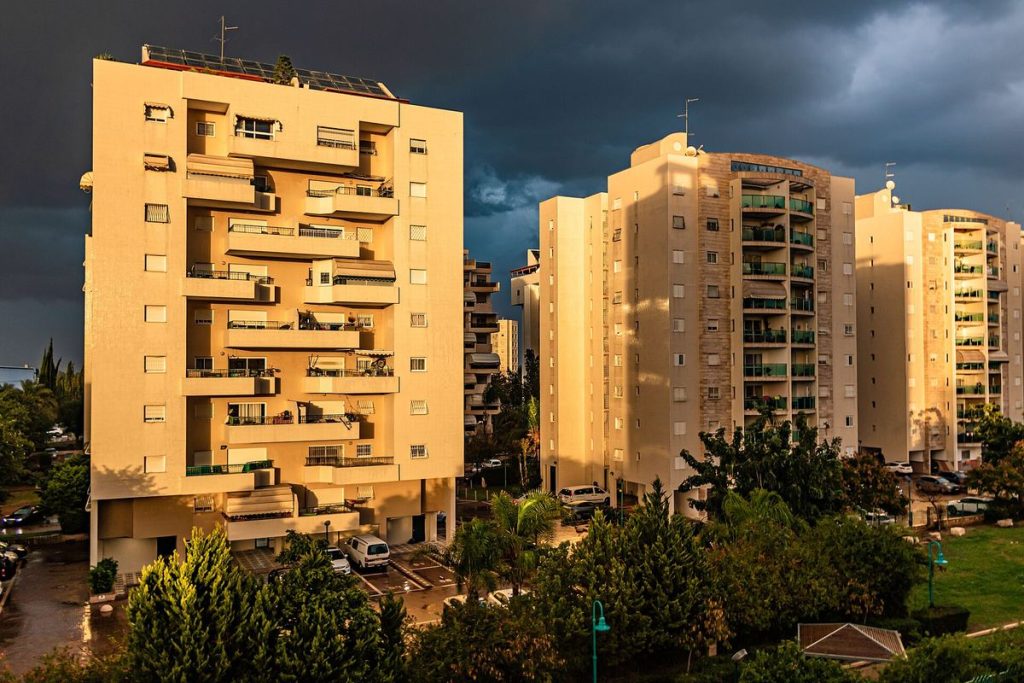
The developer remains responsible for structural cracks in the mamad until the statutory warranty period expires, even if you have already signed the purchase agreement. In Israel, the distinction between a construction defect and normal wear and tear depends on compliance with the Yisrael Standard and soil stability. You do not have to prove the builder’s negligence; they must prove that the crack resulted from an external event or a subsequent modification made by you. This article details how to identify this liability and initiate the process with the developer and relevant institutions.
The legal framework: statutory warranty and the Yisrael Standard
The fundamental difference from the US or UK is immediate: here, the warranty does not rely on a strict ten-year « decennial » liability, but on compliance with national standards and the contract. The Yisrael Standard imposes precise tolerances for cracks in reinforced concrete structures. A crack is considered structural if it exceeds these width thresholds or if it traverses multiple structural elements, such as beams or columns. Shrinkage cracks, common in the first few weeks, are distinct from fissures that indicate a foundation or load problem.
The sales contract, often called the Shtar Mikhrayim, must be read in conjunction with the technical brochure. The developer cannot eliminate their liability for major defects through a non-warranty clause. If the contract mentions a sale « as is, » this does not apply to hidden defects that existed before delivery and render the building non-compliant with safety standards. Liability extends not only to the structure but also to initial waterproofing. If cracks cause leaks that degrade finishes, the developer must repair the root cause-the structure-and not just the symptom, such as the plaster.
In the US and UK, there is often a distinction between completion warranties and operational warranties. In Israel, the logic is that of delivering a property compliant with contractual and legal specifications at the time of handover. If you purchase an older property, the logic changes, but for a new build, compliance is paramount. To understand the general mechanisms of the transaction, consult our guide on buying or selling in Israel. It is crucial to verify that the developer has obtained the final building permit and that the tabou is free of any mortgage before signing.
Distinguishing shrinkage cracks from structural cracks
Concrete shrinkage is a normal physical phenomenon during drying. These cracks are fine, superficial, and generally appear in the first few months following construction. They do not compromise solidity. In contrast, a structural crack is wider, often inclined or diagonal, and can traverse expansion joints. The distinction is not made by the naked eye, but by measuring the width and observing the evolution over time.
The use of the term bedek bayit is crucial here. It is not a routine inspection as in the US, but a technical inspection commissioned by the parties. For a new mamad, the developer must initially ensure compliance. If you contest this, you hire an independent civil engineer. This professional uses crack gauges to measure the exact width. A crack that remains stable over time and respects the tolerances of the Yisrael Standard is not the developer’s responsibility.
The geological context of the mamad matters. In Israel, soils vary considerably. In clay soil zones, shrink-swell movements are frequent. The developer is obligated to have conducted a geotechnical study before construction. If the foundations were not sized for the local soil type, the developer’s liability is engaged, even if the crack appears several months after the handover of keys.
In the US and UK, pre-sale technical inspections are systematic for older properties. For new builds, the certificate of compliance is paramount. In Israel, you must demand the original engineering reports from the developer. If the initial report mentions a risk of differential settlement and the developer did not implement the planned corrective measures, the proof of their liability is direct. Do not confuse a cosmetic crack with a structural defect: the former is a finishing detail, the latter engages the safety of the structure.
The documentation procedure: the role of the civil engineer
You cannot assert your rights based on personal photos. You need a report from a licensed civil engineer. This professional measures the crack, determines its probable cause, and evaluates the extent of necessary repairs. The report must explicitly mention non-compliance with the Yisrael Standard if the crack exceeds the allowed limits.
The procedure begins with a written formal notice to the developer. You attach the engineer’s report. The developer has a deadline to respond. If they refuse to acknowledge their liability, you can file a claim in district court. In Israel, real estate disputes are handled by civil courts, but prior mediation is often required.
The cost of the civil engineer is initially at your expense. If you win your case, the developer may be ordered to reimburse these costs. It is a necessary investment to secure your property. Do not underestimate the importance of this report: it is the key piece of your file. It must be precise, dated, and signed by a recognized expert.
If the crack concerns the structure of the mamad itself, the severity is increased. The mamad is designed to withstand explosions and falling debris. A crack that affects the integrity of this secure room is a major defect. The developer must not only repair it but also guarantee that the initial resistance is restored. This is where the distinction between a simple crack and a structural failure becomes vital for your safety and the value of your property.
Financial responsibilities: who pays for what?
The allocation of costs depends on the nature of the defect. If the crack is due to a design or construction error, the developer assumes the full cost of repairs, including any secondary damage to finishes. If the crack is due to an external event, such as an earthquake or explosion, the building’s insurance intervenes, subject to the deductible.
The costs of the civil engineer and any legal fees are borne by the party that loses the dispute. If you prove the developer’s liability, they must cover these costs. Conversely, if you modified the structure without authorization, your liability is engaged. Any modification must be approved by the developer and, where applicable, by the building’s architect.
The table below summarizes the allocation of responsibilities according to the type of defect identified by the civil engineer.
| Type of defect | Primary responsible party | Source of funding |
|---|---|---|
| Construction crack | Developer | Developer’s own funds |
| Crack due to an external event | Building insurer | Insurance (subject to deductible) |
| Crack due to an unauthorized modification | Owner | Owner’s own funds |
| Crack due to a design defect | Engineering firm / Developer | Professional liability insurance |
It is essential to verify the conditions of the developer’s insurance. Some policies exclude design defects. In this case, the developer remains solely responsible. Do not sign the purchase agreement without having verified the developer’s insurance coverage. This is a crucial point of negotiation.
The role of the vaad bayit and neighbors
The vaad bayit, or homeowners’ association, plays an observational role. It does not manage disputes with the developer, but it can provide testimony on the appearance of cracks in neighboring units. If several apartments present similar cracks, this strengthens your argument. The vaad bayit can organize a meeting to inform residents and coordinate a collective action.
Neighbors have an interest in the problem being resolved quickly. They can share the cost of the civil engineer if the defect is common to several units. This is an effective strategy to reduce individual costs. Conversely, if the defect is specific to your apartment, the vaad bayit has no obligation to fund it.
Communication with the vaad bayit must be transparent. Inform them of the situation, but do not involve them in the legal procedure. The dispute is between you and the developer. The vaad bayit is an informed third party. If it intervenes, it is to support the community, not to act on your behalf.
If the cracks affect common areas, the vaad bayit can address the developer directly. In this case, the repair is at the developer’s expense, but management fees are borne by the association. This is an important nuance to understand. Do not confuse individual and collective responsibilities.
Statute of limitations and formal notice
Statute of limitations in Israel is strict. For hidden defects, the deadline runs from the discovery of the defect. You must act quickly. The written formal notice is the first step. It must be sent by registered mail or by email with a read receipt. It must describe the defect, attach the engineer’s report, and request a repair within a specific deadline.
If the developer does not respond, you can file a claim in court. The deadline to file a claim is three years for contractual disputes. However, do not let this deadline pass. Inaction may be interpreted as acceptance of the defect. The formal notice is proof of your good faith. It shows that you sought an amicable solution before resorting to the courts.
The drafting of the formal notice must be careful. Use a lawyer if necessary. The tone must be firm but professional. Avoid vague threats. Be precise about the demands. If the developer proposes a partial repair, evaluate if it is sufficient. If not, refuse and maintain the procedure.
Developer response deadlines vary. Some set up a crisis cell, others ignore complaints. In the latter case, judicial procedure is the only outcome. Do not waste time. The longer you wait, the more difficult it becomes to prove the causality between the defect and the damages.
When does the developer’s insurance intervene?
The developer’s insurance covers construction defects. It intervenes if the developer is declared liable. The process is long. The insurer appoints its own expert to evaluate the damages. If the insurer’s expert contradicts the developer’s, a third expert may be appointed. This is a technical and costly procedure.
Insurance does not cover design defects if the engineering firm is not insured. In this case, the developer remains solely responsible. Verify the insurance conditions before buying. Some policies exclude seismic risk zones or unstable soils. If your building is in a risk zone, the insurance may be more restrictive.
Reimbursement of repair costs is made after the agreement of the parties. If you do not agree with the amount, you can file a claim in court. The insurer can be brought into the case. This is an additional step in the procedure. Allow for a delay of several months, or even years.
The developer’s insurance is a safety net, but not an absolute guarantee. It depends on the quality of the policy and the good faith of the parties. Do not rely solely on the insurance. The direct liability of the developer is the first line of defense. The insurance is the second.
Managing the property after signing: keys, tenants, and emergencies
Once the agreement is signed and repairs are completed, the property enters a management phase. You cannot monitor an apartment in Netanya from the US yourself. The question arises: who receives the keys, who finds the tenant, and who responds when a pipe bursts on a Friday?
The mamad is a secure room, but it does not protect against water leaks or electrical failures. If a leak occurs in the wall of the mamad, the owner’s liability is engaged if the leak is due to negligence or a maintenance defect. To understand the nuances of this liability, read our article on Leak in the mamad wall: owner liability in Israel.
Property management is a practical solution. A professional manager finds the tenant, drafts the contract, manages rents, and intervenes in case of emergency. They know local professionals and can call a plumber quickly. This avoids delays of several days in case of a failure.
If you choose to manage it yourself, you must have a reliable network of contacts. A plumber, an electrician, a locksmith. You must also know the procedures for reporting a failure to the developer if the defect persists. Professional property management offers peace of mind. It transforms a passive asset into a managed one. For more details on protection against hidden defects, consult New mamad: protecting your liability against hidden defects in Israel.
Before signing the purchase agreement, demand the original engineering reports from the developer and verify the insurance coverage. In case of a crack, hire an independent civil engineer for a precise report. The written formal notice is the first mandatory step. Do not let the statute of limitations expire. Professional property management is recommended to ensure reactivity in case of emergency, especially if you reside abroad.

Gestion locative en Israël pour propriétaires francophones. Bureaux à Netanya, 26 Dizengoff. Une question sur votre bien ? Écrivez-nous.