Fixing a Leak in a New Condo in Israel
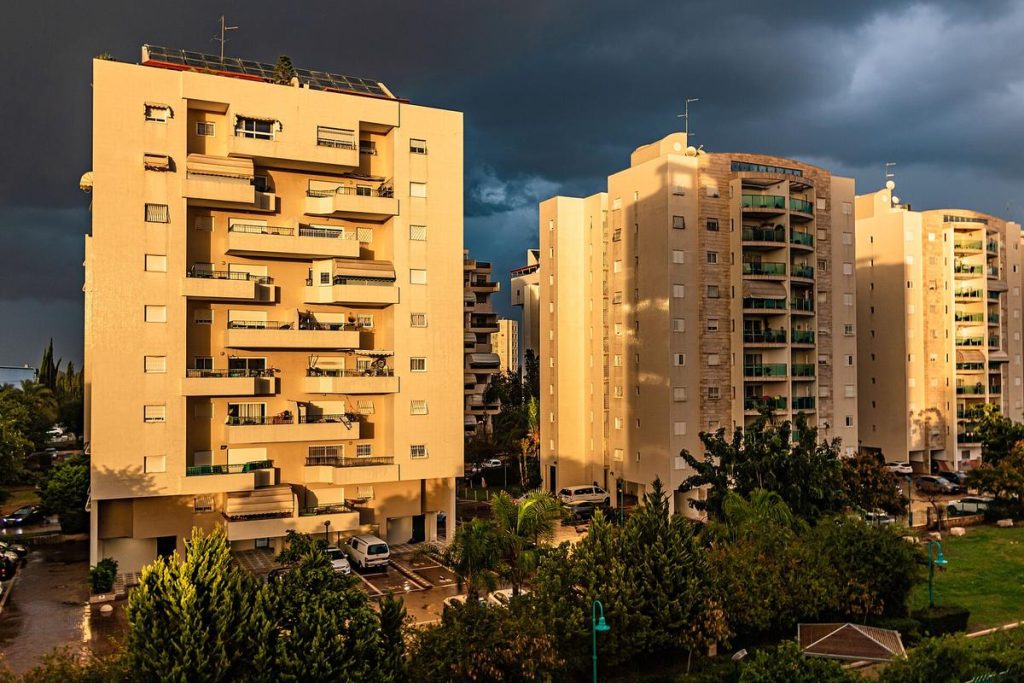
Repairing a leak under a new mamad after purchase hinges on the distinction between a construction defect and damage that occurred after the keys were handed over. If the defect predates the transfer of possession, the developer or builder remains liable, regardless of registration in the tabou. The owner must have the defect documented by a professional and notify the seller before initiating permanent repairs.
The transfer of risk at the tabou
In Israel, real estate ownership is not transferred by the simple signing of a notarial deed, but by registration in the tabou, the land registry. This registration date determines when the legal risk shifts. However, for construction defects, Israeli case law clearly distinguishes the builder’s liability period from normal wear and tear.
If the leak stems from a design error or defective materials installed by the developer, liability remains with them, even if the mamad is already registered in your name. Conversely, if the damage results from negligence after the keys were handed over, such as a poorly maintained seal, the burden falls on you. This nuance is crucial because it determines who pays for the work.
The difference from the United States is significant. In the U.S., automatic legal warranties often apply by default. In Israel, protection relies largely on the clauses in the sales contract and construction laws. There is no mandatory technical inspection before purchase that would certify watertightness. You must therefore verify the condition of the property yourself, or have it verified, before signing. If you bought a new property, ensure the contract specifies the duration of the builder’s warranty for structural and watertightness elements.
To understand the precise steps of the acquisition process, consult our guide on buying or selling in Israel. It details the key points to include in the contract to secure your position in case of a hidden defect.
The role of the bedek bayit in the first rainy season
A leak under a new mamad may seem simple, but the origin is often complex. A visual inspection of exterior seals is not enough. Water can penetrate through a microscopic crack in the waterproofing membrane, a defect in the joint between the mamad panels, or poor rainwater drainage.
The bedek bayit is not a mandatory legal inspection, but a technical inspection initiated by one of the parties. To prove the property is non-compliant, you must hire an expert in waterproofing or framing. This expert will draft a report specifying the root cause: is it a membrane leak or a structural failure?
Without this report, you cannot hold the developer liable. The risk is that the developer will argue the leak is due to exceptional rainfall or your lack of maintenance. The professional must therefore isolate the variable: they must demonstrate that the waterproofing system was defective from the start.
The procedure is as follows:
- Document the damage with photos and videos from the first rain.
- Hire a certified expert for a building inspection.
- Obtain a written report clearly distinguishing the construction defect from wear.
- Send this report to the developer via certified mail.
This step is the only solid basis for a claim. Without it, any negotiation remains subjective.
Developer liability and warranty claims
Israeli construction law imposes time limits on developer liability. For apparent defects, the period is short. For non-apparent defects, such as a failing waterproofing membrane under the finishes, the period is longer. It is essential to know the key handover date and the tabou registration date to calculate the remaining deadline.
If the developer refuses to intervene, you must issue a strict formal demand. This document must require repair within a specific timeframe, under penalty of damages. It must attach the expert’s report. If the developer argues the leak comes from a maintenance defect, your expert report must prove the opposite by showing the defect existed before intensive use.
Disputes can arise if the developer contests the nature of the defect. In this case, arbitration or civil court proceedings may be necessary. The cost of this procedure must be weighed against the cost of the work. Often, the threat of public litigation and pressure on the developer’s reputation are enough to secure an agreement.
It is common for the developer to propose a partial repair. Refuse if the root cause is not addressed. Simple ceiling paint will not solve the problem if the membrane is punctured. Insist on repairing the root cause.
The limits of the vaad bayit and common areas
The vaad bayit, or homeowners’ association, manages the building’s common areas. The distinction is strict: the building’s structure (load-bearing walls, main roof) is common. The finishing of the mamad and its specific watertightness are often considered private elements, especially if the mamad is a private extension.
If the leak comes from a common drainage pipe located on the building’s facade, the vaad bayit may be required to pay for the repair. If the leak comes from the mamad roof itself, the burden falls on you, unless it is a construction defect by the developer.
Building management often refuses to cover the cost of repairing interior ceilings under the mamad if they consider it a private issue. You must check the association’s bylaws. Some bylaws specify that the watertightness of private extensions is the owner’s responsibility. Others impose collective insurance that covers water damage.
Before paying for the work, ask the vaad bayit for written confirmation of their position. If they refuse, you must check if your home insurance policy covers water damage. In Israel, home insurance often covers damage caused by external events, but exclusions are numerous.
Recourse to the shtar ’hov and bank guarantees
The shtar ’hov is a promissory note signed by the debtor. In the context of buying a new property, it can be used to secure the reimbursement of uncovered work. If the developer signed a shtar ’hov to guarantee the proper execution of the work, you can enforce it if the developer does not respond to the formal demand.
However, the shtar ’hov is not insurance. It binds the primary debtor (the developer or builder). If the developer is a bankrupt company, the value of this paper is zero. It does not guarantee long-term solvency.
The enforcement procedure is quick in court, but it does not solve the physical problem. You must always perform the work to prevent the damage from worsening. The shtar ’hov is a financial recovery tool, not a repair tool.
Difference from the U.S.: there is no tenant deposit here. The shtar ’hov is linked to the purchase transaction or construction. If you have a tenant, their shtar ’hov does not cover construction defects. It covers only damage caused by the tenant.
Immediate management of damage and the arnona
Upon discovering the leak, your obligation is to limit the damage. You must dry the ceilings and walls. If you let the moisture settle, the insurer or developer may reduce compensation by arguing you aggravated the damage through negligence.
The costs of emergency pumping and drying are your immediate responsibility. Keep all invoices. These expenses can be recovered if a construction defect is proven.
The impact on the arnona, the municipal housing tax, is negligible in this context. The arnona is based on living area and cadastral value. A temporary repair does not change the tax base. However, if repair work modifies the mamad structure or increases its surface area, it may impact the arnona in the future.
You must also check the condition of the mamak, the common protected space on the floor, if your apartment does not have a private mamad. A leak in the mamak can affect multiple apartments. In this case, the vaad bayit is more likely to intervene.
Taxation of repair work and the mas shevach
Routine repair work is not deductible from income tax, the mas hachnasa, for an individual. It is also not added to the calculation base for the mas shevach, the real estate capital gains tax, unless it constitutes a major structural improvement.
If the mamad repair includes a redesign of the waterproofing or an extension of the surface area, it may be considered an improvement. In this case, the cost of the work may increase the capital gains calculation base upon resale. It is crucial to keep detailed invoices to justify the nature of the expenses to the reshut ha-misim, the tax authority.
There is no automatic deduction for repairs related to a construction defect. Unlike certain professional expenses, these costs remain your responsibility. If you receive a reimbursement from the developer, this reimbursement is tax-exempt, as it is compensation and not income.
To avoid classification errors, consult our article on Leak in a new mamad after key handover: who is liable in Israel?. It details the legal and tax aspects of post-purchase disputes.
After signing: key management and emergencies
Once the deed is signed and the mamad registered in the tabou, you become the legal owner. But if you reside in the United States, you will not be on site to manage emergencies. Who receives the keys? Who finds the tenant? Who responds when a pipe bursts on a Friday night?
If you wish to rent the property, you must entrust management to a professional. Property management involves finding tenants, drafting leases, collecting rent, and handling incidents. Without on-site presence, you cannot react to a leak or a breakdown.
We offer complete property management in Netanya. We manage the keys, tenant move-ins and move-outs, and emergency interventions. We are on site to assess damage, call professionals, and oversee the work. You receive a regular report on the property’s condition and finances.
This solution avoids reaction delays that worsen damage. It allows you to focus on your investment without having to manage the daily logistics of a distant property.
Never let a leak settle without professional intervention. Have the defect documented by an expert before starting permanent repairs. Keep all invoices and notifications. If in doubt about liability, consult a lawyer specializing in Israeli real estate law before signing any agreement with the developer.

Gestion locative en Israël pour propriétaires francophones. Bureaux à Netanya, 26 Dizengoff. Une question sur votre bien ? Écrivez-nous.