Pre-sale Apartment Appraisal and Inspection in Israel
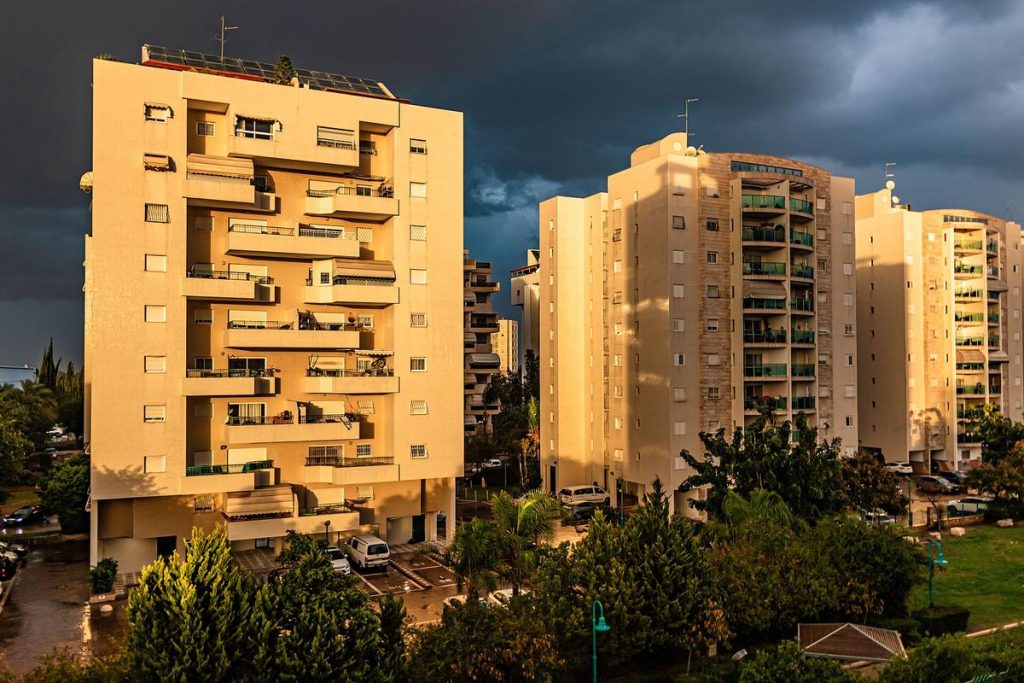
Performing a complete technical inspection before putting a property on the market helps identify structural defects, non-compliance in the secure room, and the condition of comfort equipment. This process avoids disputes with buyers or tenants and allows for a sale price or rent that is consistent with the actual condition of the apartment. We recommend having a professional inspect the installations to anticipate unforeseen expenses.
Building inspection (bedek bayit) to anticipate structural degradation
Before deciding to buy or sell in Israel, examining the building’s structure is an essential preliminary step. Unlike in some countries where certain contrôles are legally mandated, a building inspection, or bedek bayit, depends on the will of the parties. Hiring a professional to inspect common areas and the state of the structure helps detect problems that are not visible during a simple apartment viewing.
In high-rise buildings, which are common in coastal areas, we check for the absence of cracks in load-bearing columns. These cracks can indicate ground movement or concrete fatigue. We also examine service columns and technical shafts. These conduits, which carry water and electricity through the floors, are frequent sources of damage. A leak in a technical shaft can cause invisible damage for months before appearing on an apartment wall. Identifying these points helps avoid complex post-sale disputes, where a buyer might claim a hidden defect to request a price reduction or cancel the transaction.
The inspection must pay particular attention to signs of infiltration. If you notice dark spots or peeling paint on perimeter walls, it is useful to consult a specialist to determine if the problem stems from the building’s terrace waterproofing or a facade defect. This type of problem is often linked to wall humidity in Haifa apartments: causes and responsibilities, but the mechanism of degradation is similar throughout the country.
Compliance of the mamad and security equipment
The mamad, or secure room, is a central element of an apartment’s value in Israel. Its technical compliance directly impacts the sale price and the ability to rent the property to a family. We check the seal of the armored door joints and the proper functioning of the locking mechanism. A door that does not close hermetically no longer fulfills its function of protection against atmospheric pressure or security incidents.
The inspection should extend to the following elements:
- The condition of the metal shutter: we test its movement to ensure there are no blockages.
- Ventilation: we verify that the air ducts of the secure room are not obstructed, as poor air circulation can lead to mold problems inside the room itself.
- Electrical installations: we have a professional confirm that the outlets and switches located in the mamad meet current safety standards, particularly regarding grounding.
A non-compliant mamad or one with faulty ventilation can be a major obstacle during a transaction. If you own a property where the secure room has been modified without authorization, it is better to regularize the situation before listing it for sale. This prevents the buyer from requesting a significant reduction during the review of technical documents by their own expert.
Condition of comfort installations: mazgan and doud shemesh
Thermal comfort is an absolute priority for tenants and buyers in Israel. An apartment lacking a functional air conditioning system or an efficient hot water system immediately loses rental value. We test the operation of the mazgan to check for abnormal noises and cooling efficiency. We also verify the absence of leaks in both the indoor and outdoor units.
Examining the doud shemesh is equally crucial. This solar water heater system is the standard in most constructions. We inspect the tank and piping to prevent hot water issues. A leak on the roof, at the level of the solar collectors, can damage the building structure or the terrace waterproofing. It is recommended to have the condition of the anode and the tank checked to avoid premature corrosion.
Before renting a property, we evaluate the wear of faucets and drainage systems. A poorly draining sink or a leaking faucet may seem minor, but these small defects generate frequent calls from tenants. Replacing these items before a tenant moves in simplifies future management. If you prefer not to manage these technical interventions, you can Delegate the management of an apartment in Israel: key steps.
Managing fees and arnona in profitability calculations
The profitability of a real estate investment is not calculated solely on gross rent. Fixed costs directly impact the owner’s cash flow. We check the payment history of the vaad bayit to ensure no debt is owed on the property. A debt accumulated by a former owner or a former tenant can be claimed from the new owner or block a sale procedure.
The arnona, the municipal tax, is a constant expense. We consult municipal tax notices to confirm the exact amount of the arnona and its impact on rent or the sale price. It is useful to check if the property benefits from a specific rate or if there has been a recent revaluation by the municipality. For an owner residing abroad, it is crucial to know this amount to anticipate automatic withdrawals.
We also compare condominium fees with neighborhood standards. A building with a very high vaad bayit may indicate luxury services (fast elevator, security, garden maintenance), which justifies higher rent. Conversely, abnormally high fees without corresponding services may signal building management problems or heavy upcoming repairs. This analysis helps justify the exit price to a potential buyer.
| Type of fee | Nature of the fee | Impact on the owner |
|---|---|---|
| vaad bayit | Maintenance of common areas, elevator, common electricity. | Monthly or quarterly expense to plan for. |
| arnona | Municipal residential tax. | Annual or semi-annual expense depending on the municipality. |
| Technical maintenance | Repair of the mazgan or the doud shemesh. | Unforeseen or planned expense depending on equipment age. |
Verifying ownership at the tabou and attached rights
The legal security of the transaction relies on the examination of the tabou, the land registry. Before signing a sales agreement, we extract a recent tabou report to confirm the absence of easements, rights of way, or undeclared mortgages that could limit the use or value of the property. A property with an incomplete or contested title is a high-risk asset.
Inheritance issues are frequent in Israel. If the property comes from a yerusha, we verify if the tsav yerusha, the inheritance order issued by the family court, is duly registered. Without this document, the seller does not have the legal capacity to transfer ownership. We also verify that all heirs have signed the necessary documents to prevent a family member from blocking the sale later.
Finally, we ensure that all extensions or surface modifications, such as the construction of a veranda or the enlargement of a balcony, are officially recorded in the land registry. In Israel, a difference between the surface area mentioned in the tabou and the actual surface area can lead to complications when the buyer obtains a bank loan or during the calculation of mas shevach. Surface regularization must be completed before listing the property for sale.
The impact of mas shevach on the decision to sell
The decision to sell a property should not be based solely on the gross sale price. The mas shevach, the real estate appreciation tax, can significantly reduce the net amount received by the seller. We calculate the potential gain while taking mas shevach into account to determine the net seller price. To do this, the initial purchase price, transaction costs, documented renovation costs, and price index adjustments must be subtracted from the sale price.
There are mechanisms to reduce this tax. We identify potential exemptions or reductions based on the duration of ownership or whether it is a primary residence. An owner selling a property held for a long period may benefit from different conditions than a short-term investor. These elements must be analyzed in advance to avoid any surprises during the final declaration.
Administrative management is equally important. We prepare the necessary documents for the reshut ha-misim to streamline the transaction. An error in the appreciation tax declaration or a delay in transmitting documents to the tax administration can block the transfer of funds. Rigorous preparation of supporting documents for expenses (work invoices, notary fees) is essential to justify deductions to the reshut ha-misim.
Allocation of technical responsibilities between owner and occupant
The distinction between repairs the owner’s responsibility and those the tenant’s responsibility is a frequent source of tension. In Israel, the general rule follows the usage and the nature of the failure.
| Technical element | Owner responsibility (Sale/Rental) | Tenant responsibility (Usage) |
|---|---|---|
| Structure and heavy works | Verification and repair before use | None |
| Air conditioning (mazgan) | Initial functionality check | Routine maintenance and filter cleaning |
| Sanitary equipment | Repair of structural leaks | Replacement of seals and daily maintenance |
| Solar system (doud shemesh) | Verification of tank waterproofing | Reporting any drop in temperature |
The owner is responsible for the long-term integrity of the asset: if a pipe embedded in a wall fails, the repair is their responsibility. The tenant, meanwhile, is responsible for maintenance related to daily use. If a tenant breaks a faucet through improper use, the repair is their responsibility. To secure these relationships, we recommend using a shtar ’hov (promissory note) signed by the tenant and their arev (guarantor) upon signing the contract, which protects the owner in case of major damage or non-payment.
Before any transaction, systematically request a property report from the tabou and have a bedek bayit performed by an independent professional. Do not rely solely on the aesthetic appearance of the rooms; the condition of invisible installations like the mazgan or the plumbing determines the real value and the legal security of your investment.

Gestion locative en Israël pour propriétaires francophones. Bureaux à Netanya, 26 Dizengoff. Une question sur votre bien ? Écrivez-nous.