Wall Humidity in Haifa Apartments
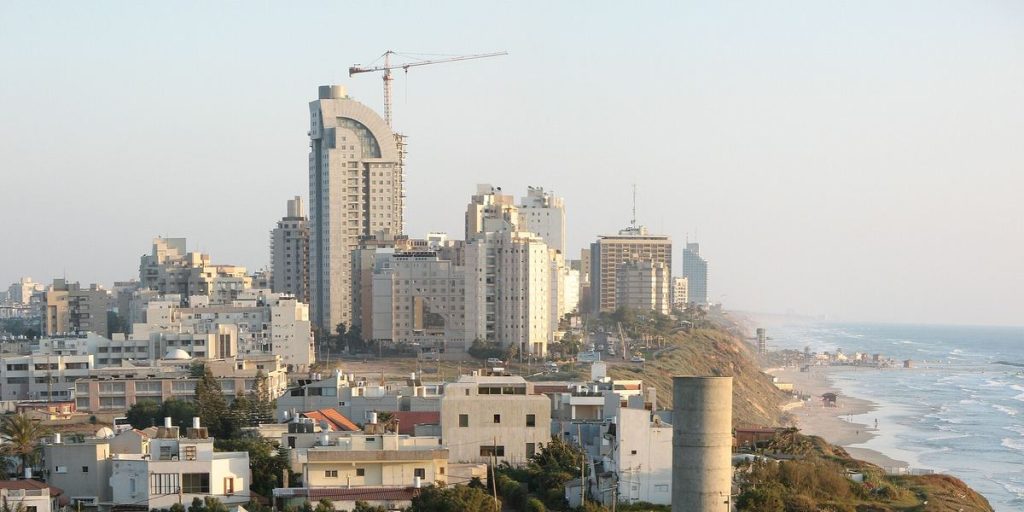
Humidity in Haifa generally stems from either saline infiltration through the facade or excessive condensation related to the use of the mazgan. To address this issue, you must first identify if water is penetrating through the building structure or if it is depositing on the walls due to overly saturated air. The resolution depends on the origin: repairing the building envelope is the responsibility of the vaad bayit, while managing indoor ventilation is the responsibility of the tenant or the owner, depending on the contract.
Identifying the source of humidity: capillary rise or condensation from the mazgan
In Haifa, the immediate proximity to the Mediterranean requires a strict distinction between structural humidity and surface humidity. Structural humidity results from the infiltration of seawater or rain through the exterior walls. It often manifests as stains appearing at the bottom of walls or around window frames, gradually rising up the surfaces.
Surface humidity, on the other hand, is a direct consequence of intensive mazgan use. During periods of high heat, occupants use air conditioning continuously. If the dehumidification mode is not activated or if the filters are clogged, the indoor air remains saturated. The thermal shock between the cold air produced by the unit and the less cooled walls creates immediate condensation. To differentiate these two phenomena, observe areas of stagnation: localized mold on a wall corner near a window often indicates a problem with seal integrity, while a film across all walls suggests poor air circulation.
We systematically check the condition of expansion joints and the sealing of window frames during our inspection visits. Salt spray from the Haifa coast attacks silicone joints and aluminum frames, creating micro-cracks through which humidity penetrates. If you notice that the humidity disappears when the mazgan is turned off, the problem is related to indoor air management and not the structure.
Building inspection (bedek bayit) to evaluate the facade condition
When infiltration is suspected to come from the outside, we recommend hiring a professional to perform a bedek bayit. This building inspection allows us to determine if the exterior plaster is cracked or if salt has degraded the protective layer of the facade. An expert examines areas exposed to prevailing winds to identify points where the seal has failed.
The proximity to the sea in Haifa accelerates the degradation of construction materials. Salt penetrates the concrete and causes corrosion of the metal reinforcements, which can lead to structural spalling. This inspection is crucial to determine who should pay the bill. In Israel, the allocation of responsibilities follows a logic of ownership:
- If the humidity comes from a crack in the facade or the roof, the work is the responsibility of the vaad bayit (building committee).
- If the humidity comes from a pipe embedded in your apartment or a sealing defect in your own windows, the costs are your responsibility.
We review inspection reports to precisely identify the water entry point. This document is essential to hold the vaad bayit accountable. Without technical proof that the origin is common to the building, requests for coverage by the committee are systematically rejected.
Allocation of treatment costs: mazgan maintenance vs. building structure
Managing repairs requires a rigorous application of the distinction between routine maintenance and structural repair. The tenant is responsible for the regular maintenance of their air conditioning equipment, including cleaning filters and ensuring the proper functioning of the mazgan. If humidity is caused by poorly maintained equipment that no longer dehumidifies, the tenant must assume the consequences.
The owner, however, must take charge of repairing embedded pipes or construction defects. If a leak in a wall causes damage, you should consult your guide on apartment emergencies and repairs in Israel to react within the required timeframes. To avoid disputes, we recommend documenting the source of the humidity with a written report from a professional. This document will serve as a basis to:
- Justify a claim with your home insurance.
- Present a formal claim to the vaad bayit if the failure is a common area issue.
- Resolve a dispute with the tenant regarding responsibility for damage to paintwork.
In the event of a dispute with the building committee, the technical report is your only protection. If the expert concludes that the infiltration comes from a sealing defect in the common terrace, the vaad bayit must fund the restoration of the facade and, potentially, the repair of the interior paint in your apartment.
The impact of the absence of doud shemesh on indoor humidity management
The hot water production system influences the thermal environment of the apartment. In many Haifa buildings, the installation of a doud shemesh (solar water heater) is the standard. This system uses solar energy to heat water, which modifies the temperature of the pipes and adjacent walls. An apartment without this system may experience more abrupt temperature variations, promoting condensation on cold walls.
There is a correlation between relative air humidity and the operation of heating and cooling systems. When the doud shemesh is operating intensely, the temperature of the hot water circulating in the pipes can influence the temperature of the interior walls. If the apartment is poorly insulated, this heat can create warm air currents that, upon contact with cold walls (often due to excessive air conditioning), generate condensation.
We advise adapting ventilation recommendations based on whether the apartment has this system. In equipped units, cross-ventilation is necessary to balance humidity. In units without a solar system, humidity management relies almost exclusively on the mazgan‘s ability to regulate the ambient air. An owner must ensure that plumbing installations related to these systems do not have invisible leaks that could be mistaken for surface condensation.
| Problem Type | Probable Cause | Typical Responsibility |
|---|---|---|
| Stains at bottom of wall | Capillary rise or facade infiltration | vaad bayit or Owner |
| Mold on ceilings | Pipe leak or roof infiltration | vaad bayit or Owner |
| Condensation on windows | Ventilation defect or mazgan use | Tenant |
| Efflorescence on mamad walls | Structural infiltration or sealing defect | Owner / vaad bayit |
Wall treatment and material protection in coastal zones
Once the source of humidity is identified and treated, restoring the surfaces requires specific materials. In Haifa, standard paints are not enough. Salt-laden air and constant humidity require coatings and paints resistant to saline corrosion. These products differ from the standards used in the interior of the country, where the air is drier.
Before applying any new coating, we proceed with the complete drying of the walls. Applying paint to a still-damp surface is the primary cause of premature peeling. The use of a professional dehumidifier may be necessary to ensure the core of the wall is dry. We also check the sealing of the mamad. Due to its specific design, the secure room may show signs of efflorescence if the structural sealing is compromised. If mold appears in the mamad, it indicates a concrete porosity issue that requires the intervention of a waterproofing specialist.
During renovation work, it is also useful to check the condition of electrical installations to avoid any risks related to humidity. You can consult our article on Apartment Electrical Renovation in Israel: Checking the Panel to ensure that circuits are not threatened by residual moisture. A damp wall can alter cable insulation and cause short circuits.
Managing repair disputes between owners and tenants from abroad
For an owner residing abroad, managing repairs remotely is a source of tension. The primary tool for resolving a dispute is the professional report. If a tenant requests a rent reduction due to humidity, you must demand a technical assessment. This document allows you to verify if the damage is due to a ventilation defect (tenant responsibility) or a structural defect (owner responsibility).
We verify that the work performed by local companies complies with the initial quotes. Sometimes, providers offer surface-level solutions that do not solve the underlying problem, leading to higher maintenance costs in the short term. Surface treatment without correcting the infiltration is a loss of capital.
It is essential to consult your lease agreement. Clauses regarding mazgan maintenance and ventilation obligations must be explicit. If the tenant does not follow basic ventilation instructions, they may be held responsible for the degradation of the paintwork. To delegate these verifications and avoid conflicts, you can rely on our property management services, which handle technical follow-up and mediation with occupants.
Consequences of humidity on asset value and the tabu
Untreated humidity is not just a comfort issue; it is a risk to your asset. An unresolved structural humidity problem directly impacts the resale value of the apartment. During a transaction, a potential buyer or an expert may identify traces of surface repairs masking deep infiltration, which can drop the price or cause the sale to fail.
It is also necessary to verify if large-scale work on the facade or roof was subject to administrative authorization. In Israel, structural modifications must comply with urban planning rules. Improperly declared repair work can cause problems during the tabu verification or during a compliance check.
Finally, anticipate requests for rent reductions. A tenant may legally request a reduction in rent if humidity makes a room in the apartment uninhabitable (for example, if the mamad or a bedroom is saturated with moisture). Reactivity is your best asset to limit these requests: a rapid intervention on a leak is often less expensive than a twelve-month rent negotiation or a complete restoration of paint and ceilings.
Before starting any painting work, always demand a moisture test on the surface and an inspection of the infiltration source. In Haifa, treating the symptom (the stain on the wall) without treating the cause (saline infiltration or mazgan condensation) is an unnecessary expense that degrades your profitability.

Gestion locative en Israël pour propriétaires francophones. Bureaux à Netanya, 26 Dizengoff. Une question sur votre bien ? Écrivez-nous.