Furnished or Unfurnished Rental in Rishon LeZion: A Guide to Making the Right Choice
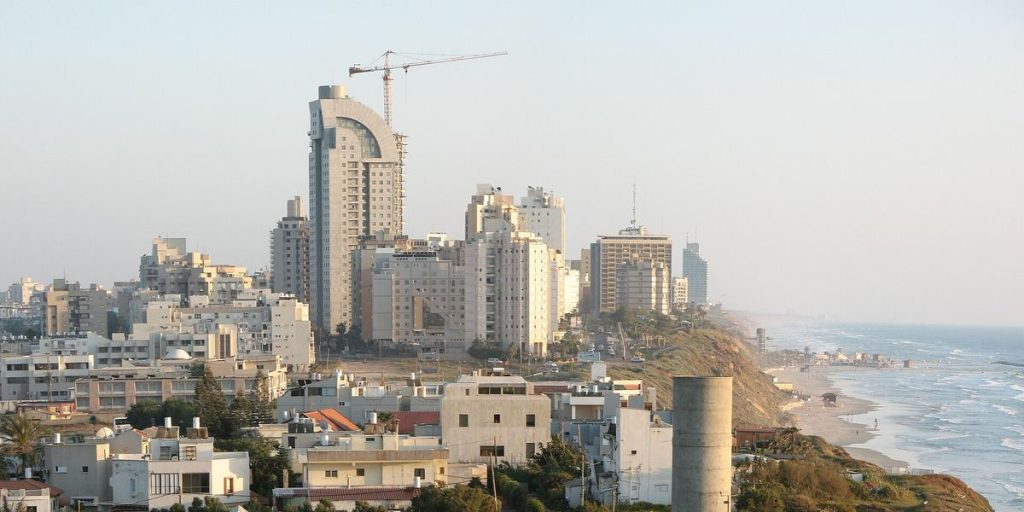
The choice between a furnished or unfurnished rental in Rishon LeZion depends on your property’s location and your target tenant profile. Furnished rentals primarily appeal to transient workers or expatriates, allowing for higher rent but with more frequent turnover. Unfurnished rentals prioritize stable income and long-term tenants, requiring lighter technical management of appliances.
Tenant profiles in Rishon LeZion by rental type
Rishon LeZion shows very distinct demand profiles depending on the neighborhood. In sectors near the industrial zone, demand focuses on young professionals. These tenants often look for functional housing, sometimes furnished, to limit their initial investment in furniture. Proximity to train lines toward Tel Aviv or Herzliya reinforces this dynamic: an apartment near a station is a prized asset for mobile workers who prioritize the flexibility of a furnished lease.
Conversely, quieter residential neighborhoods attract families or couples seeking stability. For these tenants, unfurnished rental is the norm. They wish to invest in their own furniture and settle in for several years. The long-term unfurnished rental market offers a different cash flow visibility than the expatriate or transient worker market. The latter, often present for missions lasting a few months, are the natural target for furnished rentals, but they require turnkey housing, including appliances and bedding.
- Transient tenants: seek furnished options, proximity to transport, short-term leases.
- Young professionals (industrial zone): mixed profile, preference for furnished or semi-furnished.
- Residential families: preference for unfurnished, seeking stability, long-term leases.
- Expatriates: demand full furnishing, higher budgets, frequent turnover.
Technical equipment: managing the mazgan and the doud shemesh
Offering furnished housing implies taking responsibility for the maintenance of the included equipment. The mazgan (air conditioner) is a critical element in Israel. In furnished rentals, we verify the proper functioning of each air conditioning unit before handing over the keys. If a breakdown occurs, the distinction between normal wear and tear and misuse by the tenant must be established by a professional. In unfurnished rentals, the owner is generally not responsible for replacing air conditioners if the tenant has installed their own units, but they must ensure that fixed installations are compliant.
The doud shemesh (solar water heater) also requires special attention. Before any move-in, we proceed with a system check to avoid any disputes regarding the lack of hot water. In the case of furnished rentals, the maintenance of appliances (refrigerator, washing machine, dishwasher) falls within the scope of property management. The allocation of costs must be clear: replacing an appliance at the end of its life is the owner’s responsibility, while repairs related to improper use are the tenant’s responsibility. For an unfurnished apartment, this burden is almost non-existent, as the tenant manages their own appliances.
Securing a furnished lease with the shtar ’hov and the arev
Securing a furnished lease does not rely on a cash deposit, but on mechanisms specific to Israeli law. The shtar ’hov (promissory note) is the primary tool. Unlike a traditional security deposit, the shtar ’hov is a debt recognition signed by the tenant and their arev (guarantor). In furnished rentals, we adapt the amount of the shtar ’hov so that it covers not only unpaid rent but also the replacement value of furniture and equipment in case of major damage. It is crucial not to confuse this instrument with insurance, as nothing is paid immediately upon signing.
Verifying the solvency of the arev is a systematic step. We verify the guarantor’s financial capacity to ensure they can honor the shtar ’hov in the event of tenant default. To avoid disputes when occupants move out, we draft a detailed inventory of every piece of furniture and equipment, attached to the lease agreement. This inventory must be signed by both parties. Securing an unfurnished apartment in Israel requires similar rigor regarding the condition of walls and floors, but furnished rentals add a layer of complexity related to the condition of the furniture.
| Security Element | Unfurnished Rental | Furnished Rental |
|---|---|---|
| Purpose of the shtar ’hov | Rent and structural damage | Rent, damage, and furniture value |
| Inventory | Condition of surfaces and fixed equipment | Exhaustive inventory of furniture and appliances |
| Role of the arev | Guarantee of rent payment | Guarantee of rent and value of movable property |
Allocation of charges: arnona and vaad bayit
The management of charges varies according to the duration of occupancy. The arnona (municipal tax) is due by the occupant of the housing. In long-term rentals (unfurnished or furnished), the tenant pays the arnona directly to the Rishon LeZion municipality. In the case of very short-term rentals, the owner may sometimes need to include this charge in the total price or ensure rapid reimbursement. To understand payment methods, consult our guide on How to manage bills and the arnona for an unfurnished apartment?.
The vaad bayit (homeowners association fees) covers the maintenance of common areas. In furnished rentals, the impact of tenant turnover may increase the frequency of elevator or common area use, which can influence the amount of charges. We systematically verify that the vaad bayit amount is correctly accounted for in the rent calculation to avoid reducing net profitability. There is no strict distinction between recoverable and non-recoverable charges defined by a single law, but local practice dictates that the tenant covers costs related to their daily usage.
The impact of the mamad on property attractiveness
The mamad (security room) is a major structural feature in Israel. For a tenant settling in long-term via an unfurnished rental, the presence of a mamad is a security and comfort criterion that justifies higher rent. It is an argument for stability. For a high-end furnished rental, the mamad can be converted into an office or an equipped extra bedroom, thereby increasing the immediate rental value of the property.
Upon handing over the keys, we proceed with a verification of the mamad security installations, notably the door seals and the functioning of ventilation systems. The perception of security is very different from the market in other countries: where a buyer might look at the state of installations, an Israeli tenant places paramount importance on the compliance of the mamad. An apartment without a security room suffers an immediate decrease in value on the long-term rental market in Rishon LeZion.
Taxation and administrative management with the reshut ha-misim
Reporting rental income is an obligation to the reshut ha-misim (tax authority). The choice of furnished rental can influence the calculation of mas hachnasa (income tax). Expenses related to the purchase and maintenance of furniture may, under certain conditions, be deducted from your taxable income. We advise keeping all purchase invoices for equipment to justify these deductions during your annual declaration.
A crucial point concerns mas shevach (capital gains tax) upon the resale of your property. Although mas shevach is primarily linked to the real estate transaction, the management of your rental assets must be consistent. Maintaining rigorous accounting of renovation and equipment expenses is indispensable. We handle the collection and archiving of supporting documents for all technical interventions and furniture purchases to facilitate your future declarations to the reshut ha-misim. For peaceful management of your assets, you can request our property management services.
Balancing tenant turnover and income stability
The owner must choose between two economic models. Furnished rentals allow for a higher monthly rent, but they expose the owner to more frequent vacancy between contracts. To evaluate this risk, we analyze the number of weeks the apartment remains empty per year in the Rishon LeZion sector. If turnover is too high, the increased rent may be offset by periods without income and cleaning costs between tenants.
Unfurnished rentals offer more predictable income stability. However, they expose the owner to a slower but more difficult-to-manage risk of degradation if the tenant does not take care of the property. To decide, we recommend using the following method: compare the theoretical gross annual income of the furnished rental (after deducting furniture replacement costs and vacancy periods) with the gross annual income of the unfurnished rental. If the gap is below a certain threshold, unfurnished rental is often preferable for its management simplicity. The risk of furniture degradation in furnished rentals must be compensated by a correctly calibrated shtar ’hov.
Before signing a furnished lease in Rishon LeZion, request a detailed photographic condition report and ensure that the amount of the shtar ’hov covers not only the rent but also the replacement value of the most expensive appliances (notably the mazgan and the refrigerator).

Gestion locative en Israël pour propriétaires francophones. Bureaux à Netanya, 26 Dizengoff. Une question sur votre bien ? Écrivez-nous.