Securing a Vacant Apartment in Israel
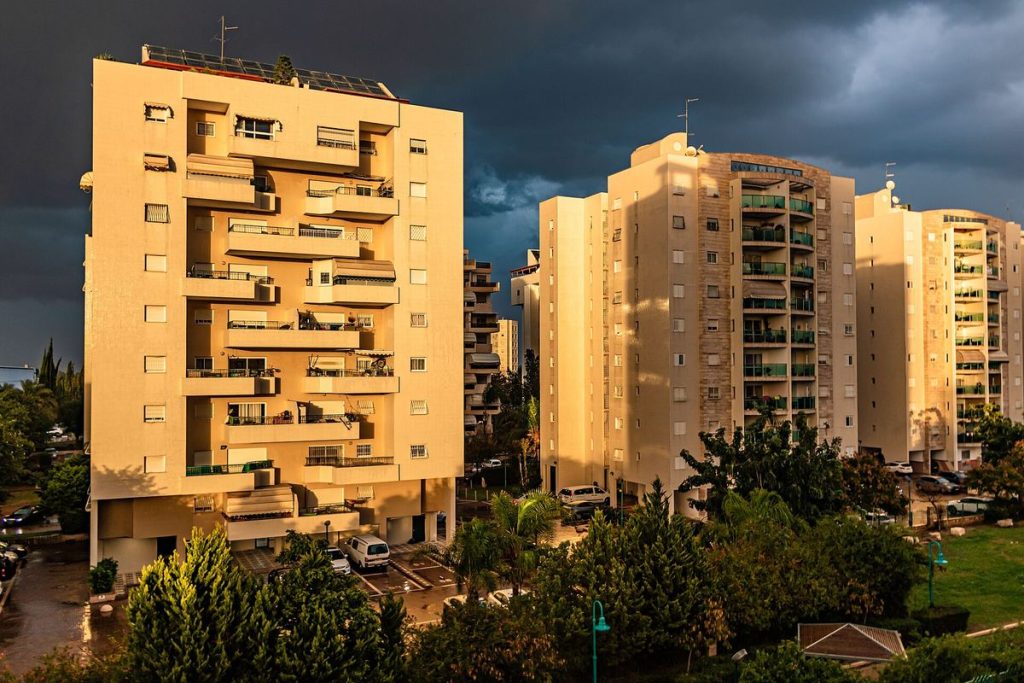
Securing a vacant apartment in Israel requires turning off the main water supply, periodically running the air conditioning systems, and checking the condition of the rooftop installations. You must maintain payments for the arnona and vaad bayit fees to avoid administrative disputes or the degradation of common areas. Regular inspections by a professional can detect leaks or electrical issues before they cause structural damage.
Managing water and the solar water heater system
Prolonged lack of water circulation is a frequent cause of damage in vacant properties. To limit risks, shut off the main water valve located at the apartment entrance or the meter. This measure prevents a burst hose or a defective seal from turning the apartment into a flooded zone during your absence. If you are considering investing in Israel, water management must be part of your maintenance protocol.
The solar water heater system, or doud shemesh, presents specific risks. Tanks located on the roof are exposed to thermal variations and pressure. A leak on the roof can seep into the building structure without you noticing it immediately from the inside. We recommend having the tanks and drainage piping inspected by a plumber to check for corrosion or cracks.
During every visit, check the condition of wet areas. Inspect under the sinks, toilet seals, and bathroom walls. Look for traces of mold or discoloration on the plaster, which are signs of a slow leak. If you notice abnormal humidity, contact a professional immediately to identify the source of the leak before it affects the neighbors below.
- Close the main shut-off valve of the apartment.
- Visually check the condition of the doud shemesh tanks on the roof.
- Inspect water storage areas and drains to prevent seals from drying out.
- Check for any signs of moisture under kitchen and bathroom sinks.
Preventing air conditioning failure and mazgan wear
In Israel, the mazgan operates intensively for much of the year. A unit that never runs eventually becomes damaged. The seals in the gas circuit can dry out and crack, and compressors can seize from lack of use. To avoid this, program the air conditioning unit to run at least once every two weeks, even during periods of low demand.
Dust is a major degradation factor. Filters in indoor units accumulate particles which, when left stagnant, promote the development of bacteria and mold odors. We clean the filters during our inspection visits to guarantee air quality when the unit is put back into service. A clogged filter forces the motor and increases energy consumption, which can lead to a costly motor failure.
Another point of vigilance concerns condensate drainage. Water produced by condensation must flow freely to the outside via a pipe. If this conduit is obstructed by insects or buildup, water will stagnate in the collection pan and eventually overflow inside the apartment, damaging walls and floors. Verify that the drainage is fluid and that the outdoor unit shows no signs of excessive corrosion.
Securing access and protecting the mamad
The physical security of the apartment relies on the quality of the closures. Armored doors, very common in Israel, require special attention. Test the smoothness of the locking mechanism. A door that rubs or requires unusual effort may eventually jam, making access difficult or compromising security. Also, verify that the locks show no signs of oxidation.
The mamad, the secure room, is an essential structural and security element. It should not be neglected, even if the apartment is vacant. Check the seal integrity of the mamad armored door. These seals ensure not only thermal insulation but also protection against air and gas infiltration. A degraded seal reduces the efficiency of the room and can cause thermal comfort issues when the property is reoccupied.
Exterior openings constitute a vulnerability. Roller shutters or blinds, if left stuck in the open position, expose the interior to the elements and UV rays that degrade furniture and flooring. Ensure that the lifting and lowering mechanisms function correctly. If you use blinds, verify they are not blocked by debris or insects, which could cause a motor to burn out during an attempt to operate them.
| Element to check | Control action | Risk if neglected |
|---|---|---|
| Entrance door | Test locking smoothness | Door jamming or intrusion |
| mamad door | Inspect seals | Loss of insulation and air infiltration |
| Shutters / Blinds | Full up and down cycle | UV degradation or water infiltration |
| Locks | Lubrication and rotation test | Permanent mechanical jam |
Monitoring condo fees and the vaad bayit
The proper functioning of the building depends on the management of the vaad bayit. As an owner, you must ensure that your contributions to the building fees are up to date. A payment delay can lead to a suspension of certain common services, such as the elevator or common area lighting, or result in late fees. This can also damage your relationship with neighbors and the building manager.
The condition of the common areas is an indirect indicator of the condition of your own unit. If you notice leaks in the hallways or sealing problems in the elevator, it may mean a disaster is occurring in the building that could move toward your apartment. We advise maintaining regular contact with the vaad bayit representative. Informal communication often allows you to be alerted to a leak in a neighboring apartment or a plumbing problem in the main risers before damage becomes visible in your home.
Monitoring should not be limited to your front door. A vacant apartment is more vulnerable to pests. If the vaad bayit reports an infestation in the common areas, act quickly to protect your property. Managing the homeowners association is an aspect of preventive maintenance that requires constant vigilance, even without a physical occupant.
Managing tax obligations and arnona during vacancy
The arnona, the municipal tax, is an obligation that does not stop when the apartment is empty. The municipality bills this tax based on surface area and geographic zone. A failure to pay can lead to significant late interest and collection procedures by the municipality. We systematically verify that your automatic payments for the arnona are active to avoid these administrative complications.
The tax status of your property must remain clear. If you use the apartment as a secondary residence, ensure your proof of residence documents are consistent. Authorities may request clarification regarding the occupancy of the unit. Similarly, anticipate changes in municipal tax rates. Israeli municipalities periodically revise their rates, which can impact your annual management budget. It is useful to consult announcements from the Netanya municipality or your local council to adjust your cash flow forecasts.
In the event of inheritance, managing the arnona can become complex. If the property is linked to a yerusha, ensure that the tsav yerusha documents have been transmitted to the competent authorities so that the property is correctly identified and taxes are addressed to the right person. Rigorous management of tax obligations prevents debt from accumulating during periods of vacancy.
Performing a technical and preventive bedek bayit
A periodic inspection is the best way to prevent major disasters. We recommend hiring a professional for a building inspection (bedek bayit) on a regular basis. Unlike a simple courtesy visit, this process aims to detect micro-cracks in walls, balcony sealing issues, or the condition of embedded pipes. A professional can identify risks that are not visible to the naked eye.
The electrical installation is another critical point. Voltage fluctuations are frequent in Israel and can damage appliances or cause short circuits. Have a professional verify the condition of the electrical panel and the absence of exposed wires or overheated outlets. This check is even more crucial if the apartment has not been used for several months, as the absence of a load can sometimes mask insulation defects.
Finally, we provide a periodic visit report. This document lists the condition of the apartment, the interventions performed, and the identified points of vigilance. This report serves as proof of your diligence as an owner. It is also useful for Checking an unoccupied apartment in Israel: control points during a future rental, allowing you to compare the initial state with the condition noted upon a tenant’s arrival.
Verifying title compliance at the tabou and insurance
The security of an investment does not stop at plumbing or electricity; it also concerns legal security. Ensure that the property is correctly registered at the tabou. A registration defect or an error in the property titles can complicate any proceedings in the event of a disaster or a dispute with neighbors. The clarity of the land registry is the foundation of your legal protection in Israel.
Homeowners insurance is your last line of defense. A vacant apartment does not benefit from the same guarantees as an occupied home. Many insurance contracts include specific clauses or coverage limitations if the home remains unoccupied for a prolonged period (often more than 30 or 60 days). We verify that your coverage is still active and that it explicitly includes damages related to the absence of a primary residence, such as water damage or vandalism.
It is prudent to review your insurance contract every year. Risks evolve, as do your contract conditions. If you have performed renovations or changed certain equipment (such as installing a new mazgan or a security system), inform your insurer. Incomplete information can be used to deny a claim in the event of a loss. Compliance between the actual state of the property and the information declared to the insurer is paramount.
Before leaving your apartment vacant, create a checklist including turning off the water, checking the doud shemesh, and programming the mazgan. Hire a professional for a bedek bayit and ensure your homeowners insurance specifically covers prolonged vacancy.

Gestion locative en Israël pour propriétaires francophones. Bureaux à Netanya, 26 Dizengoff. Une question sur votre bien ? Écrivez-nous.