Israel Home Insurance: Rental Management and Risk Mitigation
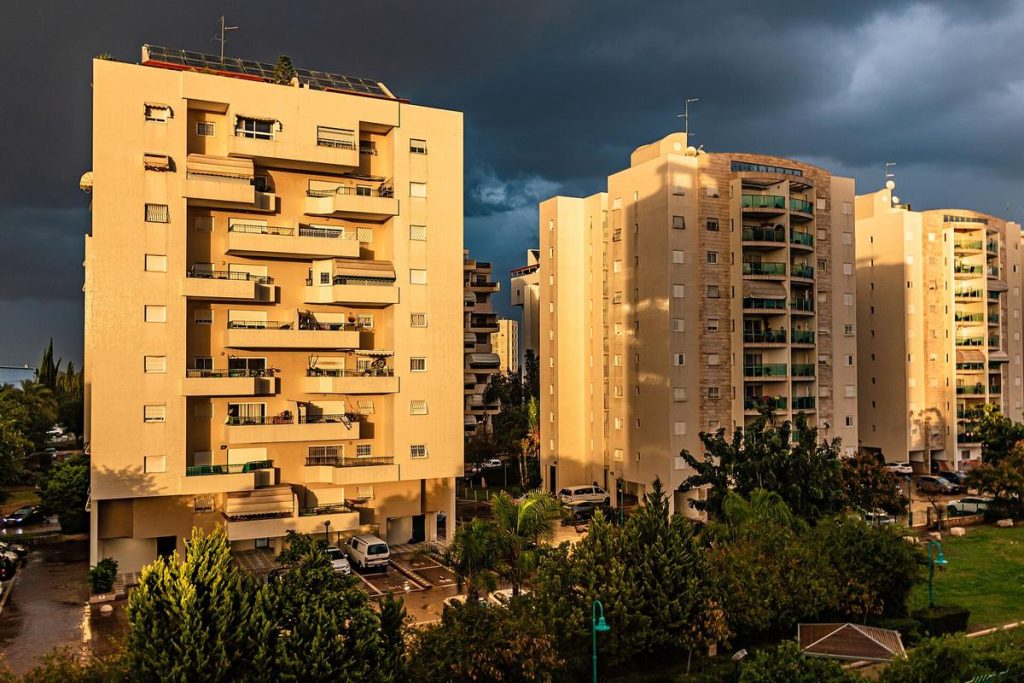
To insure a rental property in Israel, you must distinguish between structure insurance, which is the owner’s responsibility, and property and liability insurance, which is the tenant’s responsibility. The owner takes out a policy to protect the building and fixed equipment against major claims. The tenant takes out a policy for their furniture, appliances, and to cover damages they might cause to neighbors or the building. This separation of risk is the foundation of property management in Israel.
Quick answer: Renters insurance in Israel typically covers personal belongings against theft, fire, or water damage, as well as liability for accidental injury to others or their property. It does not cover the building structure itself, which remains the responsibility of the landlord or building association. This policy is essential for tenants to protect their assets and limit financial exposure.
Difference between owner and tenant insurance in Israel
In Israel, real estate risk management relies on a strict separation of insurance policies. The owner must take out insurance that protects the actual structure of the apartment. This coverage concerns the walls, the ceiling, and fixed elements. It does not cover mobile objects or furniture brought in by the tenant. If you decide to invest in Israel, you must understand that your insurance protects the real estate asset, not the occupant’s lifestyle.
The tenant, on their part, must take out renter’s insurance for their own belongings. If they break an electronic device or if their furniture is damaged by a leak, their insurance handles it. However, the tenant must imperatively include a liability clause. This clause is crucial: it covers damages they might cause to others, such as leaving a mazgan running unattended until it overheats, or causing a leak via the doud shemesh. Without this liability coverage, you, the owner, could be held liable for damages caused by the occupant.
The vaad bayit manages the common areas of the building and has its own insurance for shared spaces. Your owner’s insurance must align with the homeowners association insurance to avoid gray areas during a claim affecting rising pipes or the roof. To learn more about these distinctions, consult our article on Real Estate Insurance in Israel: Essential Coverage Rules.
- Distinction between building coverage (structure) and contents (furniture, equipment).
- Tenant responsibility regarding damages caused by the use of the mazgan or the doud shemesh.
- Obligation to take out liability insurance to cover damages caused to third parties by the tenant.
- Role of the owner’s insurance in protecting walls and the common areas of the vaad bayit.
Coverage for specific equipment and secure rooms
The technical equipment of an apartment in Israel presents specific risks that standard insurance policies do not always cover by default. The doud shemesh, for example, is a solar water heater system installed on the roof. Leaks or pressure issues related to this device can cause significant water infiltration in ceilings. We verify during the rental process that the owner’s contract includes structural damage related to these rooftop installations.
The mamad, the mandatory secure room in recent constructions, has a specific function. Although designed for protection, it can suffer damage during major claims or water infiltration through the door seals. Insurance must cover the integrity of this room, as it is considered an essential structural part of the property. A sealing defect in a mamad can lead to very high repair costs.
Regarding the mazgan, air conditioning breakdowns are generally considered routine maintenance and are not covered by renter’s insurance. However, if a short circuit in an air conditioner causes a fire, insurance liability will depend on the cause of the claim. We advise having a professional inspect the electrical installations before including expensive air conditioning equipment in the lease. This allows for a clear definition of who is responsible in the event of a technical failure.
- Specific insurance for damage related to the doud shemesh (leaks, overheating).
- Protection of the mamad against structural damage or infiltration.
- Coverage for repairs related to electrical and air conditioning installations.
- Verification of coverage for damage caused by external elements to installed equipment.
The impact of building condition on the insurance contract
The physical condition of the building directly influences the quality and cost of your coverage. Before signing a lease, we recommend hiring a professional to perform a building inspection, known as bedek bayit. This step helps identify early signs of potential claims, such as cracks in the walls or traces of moisture. If a structural defect is ignored and a claim occurs, the insurer may refuse compensation, citing owner negligence.
The amount of the owner’s insurance premium is closely linked to the condition of the homeowners association. An apartment building’s premium can be affected by the state of the vaad bayit or inappropriate usage by a resident.
If the bedek bayit reveals plumbing or electrical problems, these elements must be repaired before the property is rented. Failing to disclose a known structural defect when taking out your insurance policy is a serious error. In the event of a dispute, the insurer will check if the risk was concealed. A rigorous inspection is therefore your best legal and financial protection.
Securing income and tax obligations related to the property
Insurance does not only serve to repair walls; it also protects your financial and tax situation. In the event of a major claim that makes the apartment uninhabitable, you lose your rental income. While standard renter’s insurance does not cover loss of rent, there are specific guarantees to protect your cash flow. This loss of use can have repercussions on your mas hachnasa filings. If you no longer receive rent, your tax base changes, and it is necessary to coordinate this information with the reshut ha-misim.
Forced vacancy due to a claim is an economic risk. If an apartment must be renovated following water damage, the period of unavailability can extend for several months. It is useful to check if your contract allows for the compensation of management fees during this period. Furthermore, the value of the asset, as recorded in the tabou, must be protected. A total loss can devalue your real estate holdings if the insurance does not cover reconstruction at new value.
Finally, the management of settlements received after a claim must be handled with caution. If the amounts paid by the insurance are significant, they may be considered income by the reshut ha-misim. We verify the compliance of expert reports to ensure that the compensation truly covers the loss of asset value without creating unforeseen tax complications.
Claims management and the guarantor’s responsibility
When a claim occurs, the reporting procedure must be immediate. If the damage is caused by the tenant (for example, a flood due to improper use of appliances), you must first contact the tenant’s insurance. If the tenant is insolvent or if the damages exceed their liability coverage limit, the question of a guarantor arises. In Israel, the arev is a person who commits to covering the tenant’s failures.
However, the arev is not a replacement for insurance. If the damages are significant and the tenant lacks the funds, the arev can be called upon, but their coverage capacity is often limited to fixed amounts. For deductible costs that the insurance refuses to cover, the owner can use the shtar ’hov (promissory note) signed during the lease signing. This document allows for the recovery of sums due for damages not covered by insurance policies.
The allocation of costs in the event of a dispute is often complex. Water damage can stem from a leak inside a wall (owner) or a poorly closed faucet (tenant). We recommend having a professional determine the exact origin of the leak before taking any steps with insurers. This prevents the two companies from endlessly shifting responsibility, leaving the owner without an immediate solution.
| Risk Type | Owner Insurance | Tenant Insurance | Responsibility |
|---|---|---|---|
| Water damage (walls/ceiling) | Structural coverage | Property coverage | Shared based on origin |
| AC breakdown | Not covered (maintenance) | Personal equipment | Tenant |
| Infiltration via doud shemesh | Building structure | Tenant usage | Owner/Tenant |
| Third-party damage (neighbor) | Building liability | Personal liability | Tenant |
Checklist for validating contracts before renting
Before handing over the keys to a new occupant, we follow a strict protocol to secure your investment. It is not enough to ask for proof of insurance; you must verify the validity and scope of the guarantees. An ill-suited contract can leave the owner facing unforeseen expenses alone.
- Verification of a liability clause for the tenant covering damage to third parties and the building.
- Checking coverage for solar water heater installations (doud shemesh) and air conditioning (mazgan).
- Requirement of a valid, dated, and signed insurance certificate before handing over keys.
- Verification of consistency between the equipment listed in the move-in inspection and the guarantees taken out by the tenant.
Once the sale is finalized and the apartment is ready, a new series of problems arises. Who receives the keys? Who manages the tenant’s entry? If a pipe bursts on a Friday night, who responds urgently? Managing these contingencies is the daily reality of renting in Israel. To delegate these tasks and focus on your other assets, discover our property management services.
We recommend systematically asking the tenant for a copy of their insurance policy before signing the lease to verify that the liability coverage properly covers damages caused to third parties and the building.
Frequently asked questions
Does renters insurance cover the apartment structure?
No, renters insurance specifically excludes the physical structure of the building, such as walls, floors, and fixtures. These elements are covered by the landlord’s policy or the building association’s insurance. Your policy focuses on your personal items and liability.
What items are usually covered under a standard policy?
Standard policies generally cover personal property like electronics, furniture, clothing, and appliances located within the rented unit. Coverage usually applies to risks such as burglary, fire, explosion, and accidental water damage, subject to the specific terms and deductibles of your contract.
Is renters insurance mandatory in Israel?
While not always legally required by national law, many landlords include it as a condition in the lease agreement. It is highly recommended for all tenants to ensure they are protected against potential losses and legal claims, providing peace of mind during their tenancy.
How does liability coverage work in a rental context?
Liability coverage protects you if a guest is injured in your home or if you accidentally damage a neighbor’s property, for example, by causing a leak that damages the unit below. It helps cover medical expenses or repair costs that you might otherwise be held financially responsible for.

Gestion locative en Israël pour propriétaires francophones. Bureaux à Netanya, 26 Dizengoff. Une question sur votre bien ? Écrivez-nous.