Homeowners’ Association in Bat Yam: Refusal of Repairs and Absent Owner
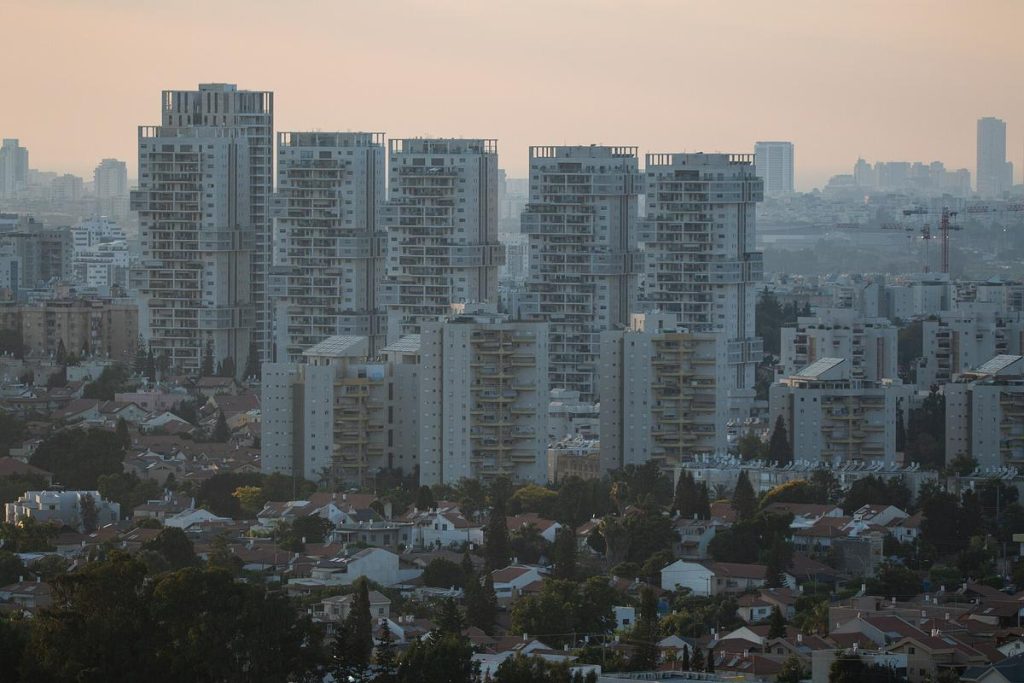
The vaad bayit in Bat Yam cannot impose façade renovations without your formal consent, as these expenses fall under the collective decision of the co-owners. Your physical absence does not strip you of your voting rights, but it requires you to transmit a precise written mandate to a representative. In case of refusal to pay or obstruction, the remedy lies with the district civil court, often after mandatory mediation. This guide details the procedural steps to protect your property and financial interests.
The voting rights of an absent owner at the vaad bayit
Israeli law on owners’ associations strictly regulates the convening of general assemblies. The notice must be sent in writing, generally by registered mail or email with a read receipt, within a minimum timeframe set by the building’s bylaws. This period often varies between seven and fourteen days, but some buildings in Bat Yam impose longer deadlines for votes on major works. Check the specific bylaws of your residence. If the convocation is irregular, the voted resolution is null and void.
To vote remotely, you must establish a written mandate. This document must designate a third party (a relative, a friend, or a professional) and specify whether the mandate is general or limited to a specific decision. The mandate must be signed and notarized if necessary. A phone call is not sufficient. The representative must present this mandate to the minutes before the vote.
The difference with the United States is significant. In the US, absence often means non-participation in the vote, unless a specific proxy is provided. In Israel, the right to vote is attached to the property, not to physical presence. Furthermore, Israeli law allows, if the bylaws permit, voting by correspondence. This mechanism is rarely used but remains a legal option. The quorum in Israel is more flexible than in the US. There is no strict threshold identical to that of US law. Simple or qualified majority depends on the nature of the decision. For façade works, a simple majority is generally sufficient, unless the bylaws require a two-thirds majority.
We verify the compliance of the convocation and the validity of the transmitted mandate. We ensure that the representative has full powers to vote and sign financial commitments. This verification avoids subsequent disputes regarding the validity of the decision.
The nature of façade works: interior or exterior?
The distinction between common areas and private areas is determinative for the allocation of costs. The exterior façade is a common area. It protects the entire building against the elements and ensures its structural integrity. The vaad bayit is responsible for its maintenance. Conversely, windows, private balconies, and individual installations fall under the owner’s responsibility.
When cracks appear, you must distinguish between aesthetic wear and structural defects. A superficial crack can be treated with simple plaster. A through-crack indicates a foundation or structural problem. In this case, a building inspection (bedek bayit) is indispensable. This is not a legal obligation like mandatory surveys in the US, but a technical necessity to establish liability. If the vaad bayit refuses to hire an expert, you can engage a licensed engineer at your own expense. Their report will serve as evidence in case of litigation.
Delayed works have a direct impact on the value of your apartment. A degraded façade reduces the market value of the property and can complicate its rental or resale. If the vaad bayit delays the works beyond what is reasonable, it engages its liability. You can demand compensation if the degradation causes damage in your unit, such as water infiltration. We analyze the condition reports and inspection reports to determine if the delay is justified or negligent.
Collective financing and refusal to pay
The allocation of façade work costs follows a logic of proportionality. It is generally based on the area of your unit or its cadastral value. The building’s bylaws specify the calculation method. In most cases, the allocation is proportional to the square footage. If your apartment is larger than your neighbors’, your share will be higher. This allocation must be voted on during the general assembly.
Several payment options exist. A lump sum payment is the rule. However, for costly works, the assembly may vote for monthly installments over several years. This option requires the consent of the majority of co-owners. If you refuse to pay your share, the vaad bayit can issue a formal demand for payment. Failing payment, it can petition the district court for a payment order. Late interest then applies.
In case of financial dispute, the procedure is strict. The vaad bayit must prove the assembly’s decision and the cost allocation. You can contest the validity of the decision if the convocation was irregular or if the mandate was insufficient. We prepare the response to the formal demand by verifying the compliance of the assembly’s decision. We also negotiate payment plans if the burden is too heavy.
Building expertise (bedek bayit) and its limits
The appointment of the expert must be transparent. The vaad bayit cannot impose a service provider without justification. You have the right to request a consultation with independent experts. The licensed engineer establishes a detailed report. It describes the nature of the defects, the urgency of the works, and an estimate of the costs. This report has no enforceable legal value. It serves as a technical basis for the assembly’s decision or for the judge in case of litigation.
The content of the report must be precise. It must distinguish between urgent works (safety) and maintenance works. The cost estimate must include materials, labor, and administrative fees. If the report is ambiguous, you can demand a counter-expertise. This procedure is costly but necessary to avoid unnecessary or insufficient works.
We analyze the technical report to verify its coherence. We compare the estimates with market quotes. We ensure that the proposed works are adapted to the actual condition of the building. This analysis allows you to vote with full knowledge. It protects you against unjustified overruns.
The role of tax administration and the arnona
Façade works generally have no direct impact on the local tax base. The arnona is calculated on the cadastral value of the building, which does not change with routine maintenance. However, if the works significantly modify the structure or appearance of the building, the Bat Yam municipality may reassess the cadastral value. This reassessment is rare for simple façade works.
The distinction between the arnona and co-ownership charges is clear. The arnona is paid to the municipality by the owner. Co-ownership charges are paid to the vaad bayit. Façade works fall under co-ownership charges. They are not deductible from the arnona. You must pay both.
In case of significant modification of the building’s condition, you must inform the municipality. This obligation is rarely applied for façade works, but it exists. We verify local declarative obligations. We inform you if a declaration is necessary to avoid penalties.
Recourse before Israeli courts
The district civil court has jurisdiction over disputes between co-owners. The family court only intervenes in cases of succession or divorce. For a dispute over works, the civil court is the appropriate interlocutor. The procedure begins with a formal demand for payment. If it is ignored, you can petition the court.
The court often imposes prior mediation. A mediator attempts to find an agreement between the parties. If mediation fails, the case is referred to the judge. The judge can order urgent works if safety is at stake. They can also condemn the vaad bayit to pay damages if its negligence caused harm.
Court costs are borne by the losing party. The procedure can last several months. We prepare the legal file with the necessary evidence: convocations, minutes, inspection reports, formal demands. We represent your interests before the court.
Managing the relationship with the manager and neighbors
Written communication is essential. All exchanges must go through the association’s registry. Phone calls do not hold up in court. Send your requests by email or registered mail. Keep a copy of each sending. This traceability protects your rights.
The risk of informal retaliation exists. If you contest a decision, some neighbors may isolate you. To protect your voting rights, designate a trusted local representative. This representative will attend meetings, sign operational documents, and inform you of decisions. They must be impartial and competent.
We help you choose this representative. We train this representative so they understand the legal and technical stakes. We maintain regular contact with them to ensure the continuity of management. This approach limits tensions and guarantees the protection of your investment.
| Step | Required Action | Responsible Party |
|---|---|---|
| Convocation | Verify the compliance of the notice | Owner / GII |
| Mandate | Sign a precise written mandate | Owner |
| Inspection | Have a bedek bayit performed | Vaad bayit / Owner |
| Vote | Vote by representative or correspondence | Representative |
| Payment | Verify the allocation of costs | Vaad bayit |
| Dispute | Formal demand then court | Lawyer / GII |
In case of refusal by the vaad bayit to perform urgent façade works, do not let the situation deteriorate. Transmit a written formal demand by registered mail. If no response is given within fourteen days, petition the district court. To manage your property remotely, consult our guide on renting from abroad. To understand liabilities in case of an accident, read Vaad bayit liability for stairwell accidents in Israel. Finally, to manage a dispute over works, refer to Vaad bayit works disputes: procedures and cost allocation.

Gestion locative en Israël pour propriétaires francophones. Bureaux à Netanya, 26 Dizengoff. Une question sur votre bien ? Écrivez-nous.