Managing Repairs and Emergencies in Israel
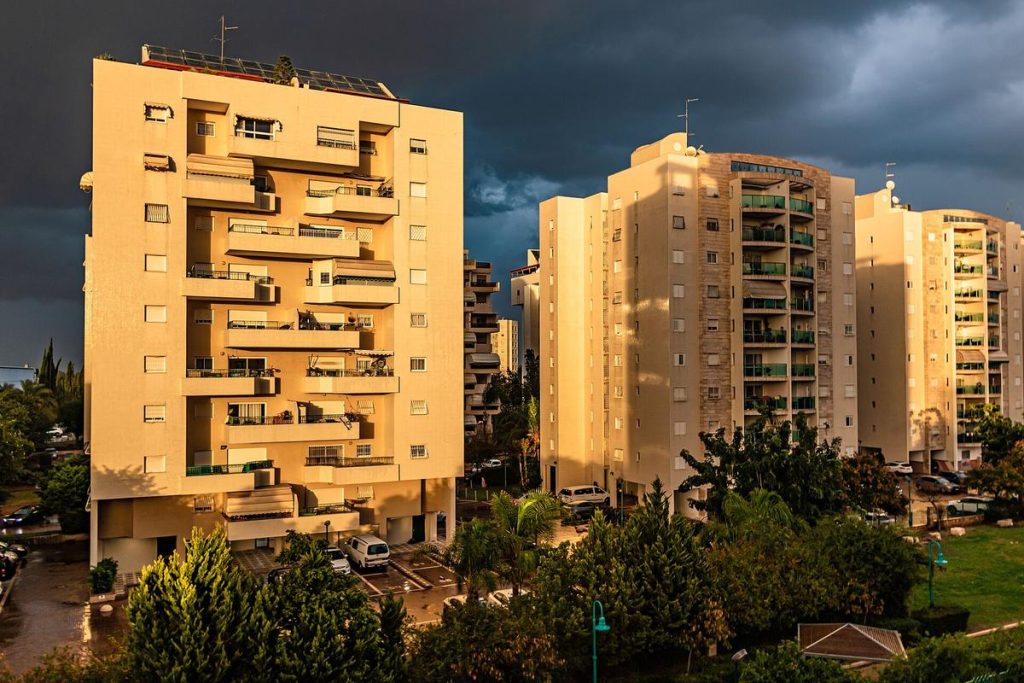
To manage a technical emergency in a Bat Yam apartment while living abroad, you must immediately identify if the failure is due to routine maintenance or a structural defect. You hire a local technician for a quick response, then determine financial responsibility between the tenant and yourself based on the cause of the issue. Remote management requires centralizing invoices and photographic evidence to justify expenses and ensure proper tax tracking.
Identifying the nature of the emergency: owner responsibility vs. tenant charges
The distinction between routine maintenance and major repairs is the primary point of friction during an incident. In Israel, practice distinguishes normal wear and tear of technical components from degradation caused by usage. If the doud shemesh stops working due to the age of the components, the financial burden falls on you. If the tenant broke a faucet or a sanitary fixture through improper use, the repair is their responsibility.
In the event of a water leak, the method of cost allocation follows a logic of cause and effect. We verify the source of the leak: if it comes from a pipe embedded in the walls, the owner intervenes. If it comes from a worn seal on equipment the tenant uses daily, the tenant must pay the bill. This distinction is crucial for those who wish to rent from abroad without facing systematic disputes.
The intervention may also concern the building itself. If the emergency does not originate inside your apartment but from a main riser or the roof, responsibility shifts to the homeowners’ association. You must then distinguish between the maintenance of your private unit and the management of common areas. This preliminary analysis prevents paying for repairs that are legally the responsibility of the building or a neighbor.
- Failure of the general electrical installation or embedded pipes: owner responsibility.
- Replacement of consumables (light bulbs, faucet seals, thermostat batteries): tenant responsibility.
- Damage related to a common structure (roof, facade, water column): vaad bayit responsibility.
Managing interventions on specific technical equipment
Equipment in Israel must meet harsh climatic constraints, which increases the frequency of seasonal emergencies. In summer, a mazgan failure is considered an absolute emergency. We proceed by selecting a specialized technician to check the refrigerant gas or the compressor. The intervention must be validated by sending a photo of the replaced part to confirm the professional’s diagnosis.
The doud shemesh presents specific risks of water damage if it leaks. Unlike a standard electric water heater, a leak in a solar system can involve components on the roof. Rapid intervention is necessary to prevent water from seeping into the ceilings of neighbors below. We systematically ask the plumber to check the condition of the mountings on the terrace or roof during their visit.
The mamad, a mandatory secure room in recent constructions, has specific closing and sealing mechanisms. If the steel shutter or the reinforced door shows a technical defect preventing the room from being secured, the intervention must be immediate. This type of repair is not aesthetic maintenance but relates to the structural security of the home.
| Equipment | Frequent emergency type | Typical responsibility |
|---|---|---|
| mazgan | Cooling cycle failure | Owner (if motor) / Tenant (if maintenance) |
| doud shemesh | Tank leak or pressure problem | Owner |
| mamad | Reinforced door blockage | Owner |
| Faucets | Seal leak or hose rupture | Tenant |
Arbitrating disputes related to building fees and the vaad bayit
In Bat Yam, as in many coastal cities, humidity and proximity to the sea accelerate building degradation. A leak may come from the neighbor above or from a common pipe. If the damage is caused by a failure in the common areas, it is up to the vaad bayit to act and fund the repair. We contact the building manager to obtain written confirmation of the source of the problem before incurring costs on your end.
If the problem originates from a neighboring apartment, the procedure is different. You must identify the responsible owner or tenant and ask them to intervene. If there is a deadlock, the involvement of the vaad bayit is necessary to serve as a mediator or to verify access to technical areas. Never proceed with repair work on a common pipe without the formal agreement of the building committee.
Requests for urgent work can also come from the vaad bayit. For example, a repair on the building facade or roof may impact your apartment. You must verify that these works do not cause collateral damage to your private unit. If this occurs, you will need to have the damage assessed by a professional to claim coverage from the homeowners’ association insurance.
The protocol for selecting and paying providers remotely
The distance from abroad requires absolute rigor in choosing service providers. We do not approve any quote without having previously verified the existence of a local artisan or plumber with verifiable references. To avoid overcharging related to urgency, we always request a precise description of the parts to be replaced before authorizing the repair. This allows for cost comparison if the emergency permits.
Paying for repairs without a physical presence requires secure transfer methods. The use of direct bank transfers is the standard, but it must always be accompanied by a detailed invoice. We require every provider to transmit a digital copy of their invoice immediately after the intervention. This constitutes your only proof of payment and completion of the work.
To ensure transparency, we request a written report after each intervention. This document must mention the cause of the failure, the parts changed, and the time spent. This report is essential to justify the expense to your accountant or for your own tracking. If you wish to understand how we structure these processes, consult our article on Urgency and apartment repair in Israel: a guide.
- Receipt of alert from the tenant or the vaad bayit.
- Request for photos and videos of the defective element.
- Consultation with a local provider and receipt of a written quote.
- Validation of the intervention and transfer of funds.
- Receipt of the invoice and technical report.
The impact of emergency works on tax and administrative obligations
Any expense incurred for the maintenance of your property must be documented for the reshut ha-misim. If the works are deductible from your mas hachnasa, the invoice must perfectly comply with Israeli standards, mentioning the provider’s identity and the exact address of the property. Systematically keep digital originals for your annual declarations.
An emergency renovation, if it modifies the structure or configuration of the apartment, may impact the value declared to the tabou. While routine repairs do not alter the land registry, major replacement works (such as the complete replacement of a central heating or air conditioning system) must be closely monitored. In the event of a future sale, these documents will serve to justify the condition of the property and its value evolution.
Finally, monitor the impact on the arnona. If an emergency repair results in a modification of the living area or the use of the room (for example, converting a technical space into a living space), the Bat Yam municipality could recalculate your property tax. It is preferable to stick to restoration repairs rather than structural transformations during an emergency intervention.
Recovering repair costs from the tenant or the guarantor
If the emergency is caused by tenant negligence, you must recover the costs incurred. The shtar ’hov signed upon moving in is your primary tool for protection. This promissory note guarantees the payment of certain debts, but it is not a substitute for renter’s insurance. We use this document to demand reimbursement for repairs that should have been performed by the tenant.
In case of refusal of payment by the tenant, it is possible to request the arev. The guarantor is obligated to cover the tenant’s financial shortcomings, including rental repairs. The procedure consists of sending a formal demand to the arev, attaching the invoice and proof of the cause of the damage. This step is often necessary to resolve the situation without resorting to lengthy legal proceedings.
Documentation is the key to any dispute. We perform systematic photo taking before, during, and after the intervention. These visual elements, combined with the technician’s report, make it possible to prove that the emergency did not result from a lack of maintenance on your part. Solid proof is indispensable if you must present the file to a court or an insurance company. To learn more about global management, read What are the steps to delegate the management of your apartment remotely?.
To avoid managing these situations alone from abroad, we recommend establishing a clear communication protocol with your tenant upon signing the contract. Using a trusted third party to validate quotes and manage payments limits the risks of conflict and extra costs caused by improvisation.

Gestion locative en Israël pour propriétaires francophones. Bureaux à Netanya, 26 Dizengoff. Une question sur votre bien ? Écrivez-nous.