Mold in a Vacant Apartment in Israel: Preventing Damage While You’re Away
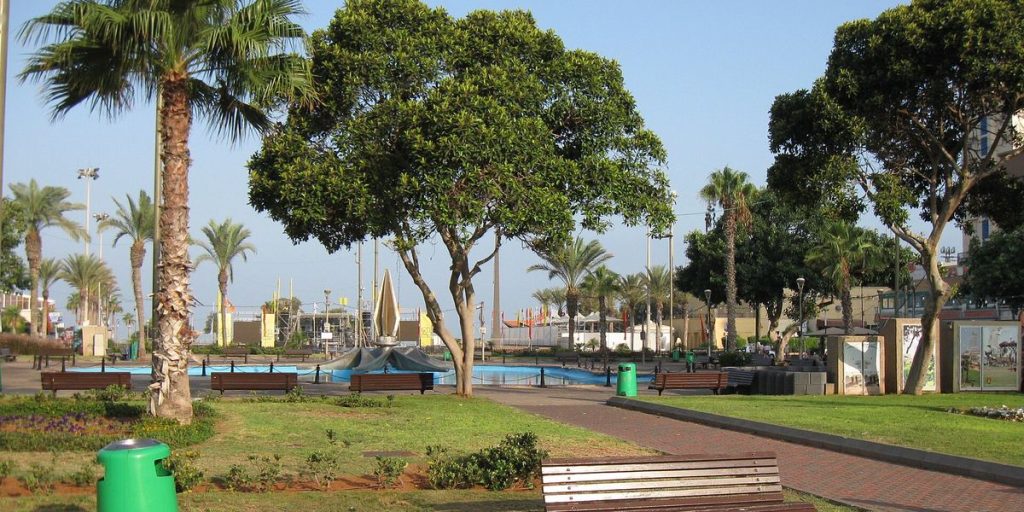
Netanya’s saline humidity and lack of natural ventilation turn an empty apartment into a breeding ground for mold within weeks. To prevent this, you must activate the mazgan in gentle heating mode, run the air extraction, and have the seals inspected by a professional. These simple steps, tailored to the Israeli coastal climate, prevent structural damage and costly repairs.
The climate factor: saline humidity on the Mediterranean coast
Netanya does not experience freezing temperatures, but it does face salty air. Unlike the dry, cold air of continental climates, the air on the Mediterranean coast is saturated with moisture and salt, even in winter. This humidity penetrates the smallest cracks and condenses on cold surfaces. The result is permanent condensation that feeds mold growth.
- The fundamental difference from inland climates: Netanya’s air, loaded with salt and humidity, infiltrates walls and window frames. Inland, this phenomenon is limited. Here, it is a daily constraint.
- The doud shemesh (solar water heater) plays a paradoxical role. If the apartment is empty, the tank remains cold. This permanent cold spot attracts condensation in the bathroom, creating a humid microclimate around the plumbing.
- Prevailing westerly winds hit the facades. The watertightness of window seals against sea spray is critical. A poorly sealed window lets in salty air that corrodes metals and dampens walls.
This climate context requires specific vigilance. It is not enough to leave a window slightly open; you must understand how humid air interacts with the apartment’s fixed equipment. Humidity management must be active, not passive.
Mechanical ventilation of wet rooms: beyond the simple extractor
In Israel, natural ventilation is often insufficient for empty apartments. The air extraction system, present in the bathroom and kitchen, must operate in forced mode. However, this system only works well if air can enter. Leave a window or shutter slightly open to create the necessary air flow. Without this air intake, the fan draws interior air without renewing it, rendering the operation ineffective.
- Check the condition of the mamad. This secure room is often isolated from the rest of the apartment. If its door lacks a weather seal or if its ventilation is obstructed, humidity accumulates there. A damp mamad can spread mold to adjacent rooms.
- Using portable dehumidifiers is a common practice in Netanya. Place one unit in the bathroom and another in the kitchen. Set them to maintain a stable humidity level. This is an effective first line of defense against condensation.
- Do not rely on passive ventilation. Israeli buildings are often built for air conditioning, not for natural air circulation. In winter, outside air is too humid to be drawn in without treatment.
This mechanical approach is essential. It compensates for the absence of central heating and the humid climate. Dehumidifiers consume electricity, but their cost is lower than repainting or repairing plaster damaged by mold.
Managing the mazgan (air conditioner) in the cold season
The mazgan is the primary tool for controlling humidity. In winter, use the heating mode, even at a modest temperature. Raising the ambient temperature lowers the dew point, which reduces condensation on surfaces. Let the system run for a few hours each day. This gentle heating strategy is more effective than leaving the apartment at ambient temperature, where cold air promotes condensation.
- Clean the filters and outdoor units before winter. Dust and sea salt clog the systems, reducing their dehumidification efficiency. Have the installation inspected by a local technician. A clogged system consumes more energy and heats less effectively.
- Difference from other regions: there is no central heating supplied by an urban network. Total dependence on individual electric systems requires heightened vigilance. You are responsible for maintaining your own humidity control system.
- Check the programming. If you have a programmable thermostat, set it to activate heating during the coldest hours of the day. This allows you to dry the apartment’s air in a targeted manner.
This active management of the mazgan is crucial. It protects the walls and ceilings. In the absence of central heating, the mazgan is your only means of controlling indoor air humidity. Neglecting its maintenance exposes the apartment to unnecessary risks.
Leak and plumbing control: preventive bedek bayit
Water leaks are the main cause of mold. In winter, thermal variations can cause micro-cracks in copper or PVC pipes. These cracks are inaudible but sources of slow infiltration. Have a building inspection (bedek bayit) performed to check the watertightness of shower seals and siphons. There is no mandatory legal inspection as in some other countries, but technical prudence is required to protect your investment.
- Inspect cold and hot water pipes. The professional will look for signs of corrosion or leaks under sinks. An internal leak can damage the floor of the apartment below, creating disputes with neighbors.
- Check the windows. Wear of rubber seals on older window frames is a major source of humid air infiltration. In buildings over ten years old, these seals are often deteriorated by salt and sun. Replace them if necessary.
- Examine the points where pipes pass through walls. Poor insulation around these points can create a thermal bridge where condensation forms. The professional may recommend additional insulation.
This preventive inspection is an investment. It identifies problems before they become damage. The bedek bayit is not an administrative formality; it is a maintenance tool. It allows you to know exactly where your apartment’s vulnerabilities lie.
Managing vaad bayit fees and the elevator
Condominium fees (vaad bayit) cover the maintenance of common areas. In winter, the elevator may be suspended for safety or maintenance reasons. This can leave empty apartments without easy access for emergency interventions. Inform the condominium association of your apartment’s vacancy. This avoids any penalties or misinterpretation regarding the use of common areas during the vacancy period.
- Check if the fees cover the maintenance of humid common areas. The lobby, basement, and hallways can push humidity up to lower floors. If the association neglects the ventilation of these spaces, your apartment will suffer.
- Plan your visits based on the elevator’s status. If the elevator is out of service, plan for alternative access or interventions during operating periods. Planning is essential to avoid maintenance delays.
- Communicate with the local manager. Explain that the apartment is empty and that you are monitoring humidity. This creates a context of shared responsibility. The manager can then be more responsive to reports of humidity in common areas.
This management of relations with the condominium association is important. It allows you to access information about the building’s condition. Humid common areas are a source of mold that you cannot control alone. Clear communication with the vaad bayit is your best defense.
The risk of plumbing collapse in winter
Although temperatures do not drop below freezing, Netanya’s cool nights can cause significant condensation in uninsulated technical shafts. This phenomenon is often underestimated. Cold air entering through windows or cracks meets hot pipes, creating condensation. This stagnant water feeds mold in hidden spaces.
- Prevent freezing of exterior pipes. Check the insulation of pipes passing through exterior walls or balconies. This is a less common precaution than in Northern Europe, but essential on the Mediterranean coast. An uninsulated pipe can crack under the effect of cold and condensation.
- Identify warning signs. The appearance of dark spots on ceilings adjacent to bathrooms is an indicator of slow infiltration. Treat these spots immediately with a local plumber. Do not wait for them to spread.
- Inspect the technical shafts. If you have access to the shafts, check for the absence of humidity. A damp shaft is a breeding ground for mold. Have an inspection performed by a professional if you suspect a problem.
This risk is specific to the coastal climate. It does not occur in inland regions. Condensation in shafts is a silent problem that can damage the apartment’s structure. Heightened vigilance is necessary to detect these early signs.
Insurance and water damage tracking
Home insurance in Israel covers water damage, but the conditions for coverage are strict. Mold caused by a lack of ventilation or heating is generally not covered. Insurance covers sudden leaks, not slow infiltrations due to negligence. Check your policy to understand the exclusions. A late claim or proof of negligence can lead to a denial of coverage.
- Document the apartment’s condition. Take photos before and after maintenance interventions. These proofs are essential in case of a dispute with the insurer or the condominium association. They demonstrate that you took the necessary precautions.
- Report leaks immediately. In case of a leak, contact a local plumber and the insurer as soon as possible. The reporting deadline is crucial. A delay may be interpreted as negligence.
- Check tenant insurance coverage. If the apartment is rented, the tenant’s insurance may cover certain damages. Ensure the policy is up to date and that the tenant is informed of their obligations regarding leak reporting.
This insurance management is a technical but vital aspect. It protects you against unexpected costs. Mold is a major financial risk for an absent owner. Well-understood insurance and rigorous documentation are your best protections. Do not let negligence turn a minor problem into a significant financial loss.
Operational management after signing the deed
Once the deed is signed, the question becomes: who manages the apartment? You cannot be on site to check humidity every week. You must designate a responsible party. This person receives the keys, monitors the apartment’s condition, and intervenes in case of a problem. If you rent the apartment, the tenant has obligations, but you remain responsible for the structure. If the apartment is empty, you must entrust management to a professional.
- Who receives the keys? If you use an agency, they manage access. If you manage alone, you must store the keys in a safe and accessible place in case of emergency. A safe with a trusted neighbor or a secure box can be a solution, but it presents security risks.
- Who finds the tenant? If you choose to rent, a property management agency handles tenant search, lease drafting, and rent collection. This frees you from daily management. You can consult our property management services to understand how we handle these aspects.
- Who answers when a pipe bursts on a Friday? This is the critical question. If you are abroad, you cannot intervene. You need a local provider available seven days a week. A management agency ensures this presence. They contact a plumber, supervise the intervention, and inform you. Without this presence, you risk extensive damage before you can intervene.
This operational organization is the key to preserving your property. The next issue is managing access if you decide to sell. You can read our article on who should manage access for showings of an empty apartment in Israel. To understand electrical risks and responsibilities in case of an incident, consult our article on short circuits in occupied apartments in Israel: absent owner. Finally, for an overview of the market, our guide to buying or selling in Israel details the key steps. Humidity management is only part of the work. Coordinating local actors is what guarantees the value of your investment.
Do not let humidity settle in. Activate the mazgan, run the extraction, and have the seals inspected. These simple, repeated steps protect your investment. For daily management and emergencies, entrust the task to a local professional. Your remote presence does not replace on-site intervention.

Gestion locative en Israël pour propriétaires francophones. Bureaux à Netanya, 26 Dizengoff. Une question sur votre bien ? Écrivez-nous.