Noise Nuisance in Israeli Penthouses
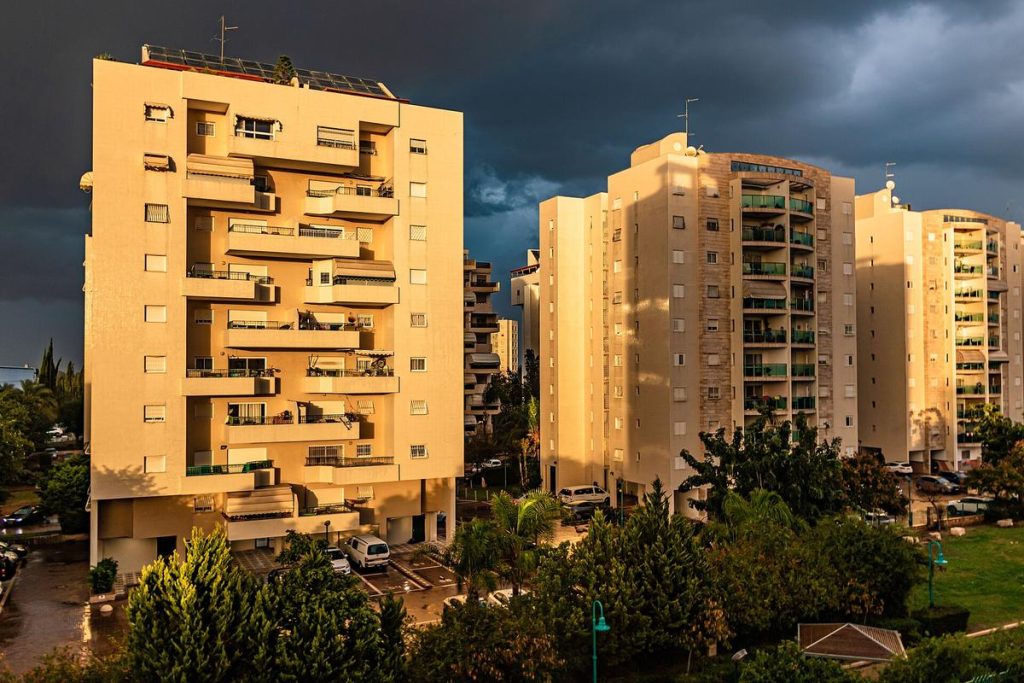
Managing noise disturbances in an Israeli penthouse requires distinguishing between building regulations and municipal ordinances. To limit terrace noise, you must address the technical maintenance of equipment like the mazgan and ensure the enforcement of rules by the vaad bayit. Resolving disputes involves precisely identifying the source, whether it is structural, technical, or behavioral.
The impact of the vaad bayit on terrace noise regulation
The vaad bayit manages the building and ensures compliance with the building’s bylaws. In Israel, these regulations define the use of common areas and the limits of private usage. For a penthouse, the terrace is often a gray area between private space and an extension of the building’s structure. The vaad bayit intervenes to regulate activities that impact the peace of other residents.
It is necessary to distinguish between two types of disturbances. The first concerns how the tenant uses the terrace (music, parties, moving furniture). The second stems from nearby common areas, such as access to roof terraces or elevator movement. If the noise originates from a common area, the vaad bayit manager is responsible for enforcing quiet hours.
We review the building bylaws to identify specific clauses regarding terraces before any property is listed for rent. If repeated disturbances are noted, we contact the vaad bayit manager to request the application of prescribed sanctions or a reminder of community living rules. This intervention is necessary to prevent occupant behavior from degrading the rental value of your property.
- Identify quiet hours imposed by the building regulations.
- Verify if terrace use for events is explicitly regulated.
- Distinguish between direct neighbor noise and technical circulation noise (elevators, pumps).
Differences between soundproofing and managing neighbor noise in Israel
Soundproofing in Israel addresses different challenges than in the US or UK. In a penthouse, the priority is often blocking airborne noise from the street or construction sites, which are very common in developing urban areas. To achieve this, the acoustic sealing of exterior joinery is the primary point of control. Low-quality double glazing or poorly fitted frames allow low-frequency noise from construction machinery to pass through.
However, window insulation does not protect against structural vibrations. The sound of footsteps or furniture being moved on a neighbor’s terrace, or vibrations from building machinery, travels through the building’s structure itself. A penthouse can be perfectly insulated from external noise by thick glazing while still suffering from resonances in the concrete slab.
We advise having a professional assess the effectiveness of the joinery if a tenant complains. The expert must check for acoustic leaks around window frames. This process is distinct from checking balcony waterproofing in Israel: maintenance and infiltration risks, even if both inspections can be conducted simultaneously by a building professional.
| Noise Type | Probable Source | Recommended Action |
|---|---|---|
| Airborne noise (street, construction) | Joinery, windows | Check frame sealing |
| Structural noise (vibrations) | Slab, columns, walls | Structural inspection by an expert |
| Neighbor noise (terrace) | Use of outdoor space | Intervention by the vaad bayit |
The use of the mazgan and outdoor equipment as noise sources
Technical equipment installed on terraces or balconies is a frequent source of noise. The mazgan, or air conditioner, has an outdoor unit whose compressor can generate significant vibrations. If the unit is poorly secured or the supports are worn, the noise is transmitted directly to the penthouse walls, creating a constant nuisance for the tenant.
We check the condition of the mounting supports for air conditioning units during our technical visits. Regular maintenance of compressors helps prevent friction or metallic clicking noises. It is also important to monitor installations related to the doud shemesh or private pool pumps. These devices, while necessary, can emit low-frequency humming if they are not installed with anti-vibration mounts.
Noise can also stem from poor management of ventilation or water drainage systems. A tenant may complain of a whistling sound related to air pressure or poorly channeled water flow. As part of our property management services, we ask technicians to check the noise levels of this equipment to ensure they meet standard comfort levels.
Tenant responsibility and lease agreement drafting
Managing disturbances begins with a precise contractual framework. The lease agreement must explicitly mention the rules of conduct for outdoor spaces. It is possible to prohibit the use of amplified sound equipment on the terrace or to limit the number of guests for receptions to preserve the building’s tranquility. This protects the owner from liability in case of disputes with the vaad bayit.
To ensure the proper upkeep of the property, we use the shtar ’hov. This promissory note, signed by the tenant and their guarantor, secures funds in case of damage. If the tenant installs non-compliant, noisy equipment themselves (such as a poorly secured sound system) that causes damage or nuisance, the shtar ’hov can serve as a basis to cover restoration costs or repairs caused by these installations.
During the move-in inspection, we establish a specific checklist for noisy equipment. We note the apparent noise level of air conditioning units and the condition of their mountings. This procedure prevents the tenant from being held responsible for pre-existing noises or, conversely, from contesting the initial state of the equipment.
- List technical equipment (air conditioning, pumps) in the move-in inspection.
- Draft a quiet enjoyment clause in the lease agreement.
- Verify the signature of the shtar ’hov by the guarantor.
- Document the condition of outdoor unit mountings.
The role of the municipality and arnona in neighbor disputes
When a neighbor conflict exceeds the private sphere, the municipality may intervene. Municipal regulations set authorized decibel thresholds, particularly for commercial activities or construction work. If the nuisance comes from a neighboring establishment or a construction site, the complaint must be addressed to the municipal enforcement services. The payment of arnona, the municipal tax, links the owner to the city but does not grant an automatic right to stop external nuisances.
It is important to distinguish between a private neighbor dispute, which falls under civil law and the vaad bayit, and a public nuisance. A public nuisance is a violation of city regulations (excessive nighttime street noise, construction outside permitted hours). In such cases, the municipality can fine the offenders directly. The penthouse owner is not responsible for fines imposed on third parties, but they may be impacted by the loss of comfort.
In the event of a persistent dispute, we advise collecting evidence of the nuisance (recordings, testimonies) before requesting municipal intervention. The municipality only intervenes if the nuisance is characterized as exceeding the urban living standards established by law.
Verifying the tabou and easements regarding views or noise
Managing a penthouse requires consulting the tabou, the land registry. This document allows you to verify the existence of easements that could impact the apartment’s quietness. A right of way on the roof or an access right for maintaining common installations can generate regular footsteps or machine noise on the penthouse terrace.
We also verify usage rights for adjacent outdoor spaces. If the penthouse has a large terrace, it is crucial to ensure that no easement allows third parties to move through or maintain equipment in immediate proximity to your living area. Easements regarding views are also important, as they may limit the ability to install acoustic screens or privacy panels on the terrace.
Finally, anticipating nuisances related to neighboring construction projects is possible by reviewing building permits. An adjacent tower project can radically change the penthouse’s acoustics by creating a reverberation effect or removing natural protection against wind and noise. Reviewing construction plans in advance allows for corrective measures to be taken regarding the property’s insulation before neighboring work is completed.
Specific bedek bayit procedure for outdoor living spaces
To address structural noise disturbances, we organize a bedek bayit. This professional building inspection helps identify if the noise stems from a construction defect or a technical failure. The expert specifically examines the transmission of vibrations through the slab and load-bearing walls, as well as the compliance of ventilation and drainage installations.
The inspection verifies whether technical installations (wastewater drainage, ventilation ducts) comply with the original plans. A poorly insulated or positioned duct can generate very disruptive fluid circulation noise in a penthouse. The bedek bayit confirms whether the problem is linked to a defective installation or inappropriate use by an occupant.
Following the inspection, the expert prepares a detailed report. This document is essential to justify a request for works to the vaad bayit or to hold a developer liable if the defect is structural. This report can also guide renovation work, such as reinforcing door insulation-a point we also cover in our article on mamad door maintenance in Israel: key points of vigilance, as the management of overall home acoustics is interdependent.
For a penthouse, noise management is not limited to the terrace. We recommend combining a technical inspection of equipment (air conditioning, pumps) with a rigorous review of the building bylaws to guarantee the tranquility of your tenants.

Gestion locative en Israël pour propriétaires francophones. Bureaux à Netanya, 26 Dizengoff. Une question sur votre bien ? Écrivez-nous.