Penthouse Tenant Changes the Lock: Your Rights in Israel
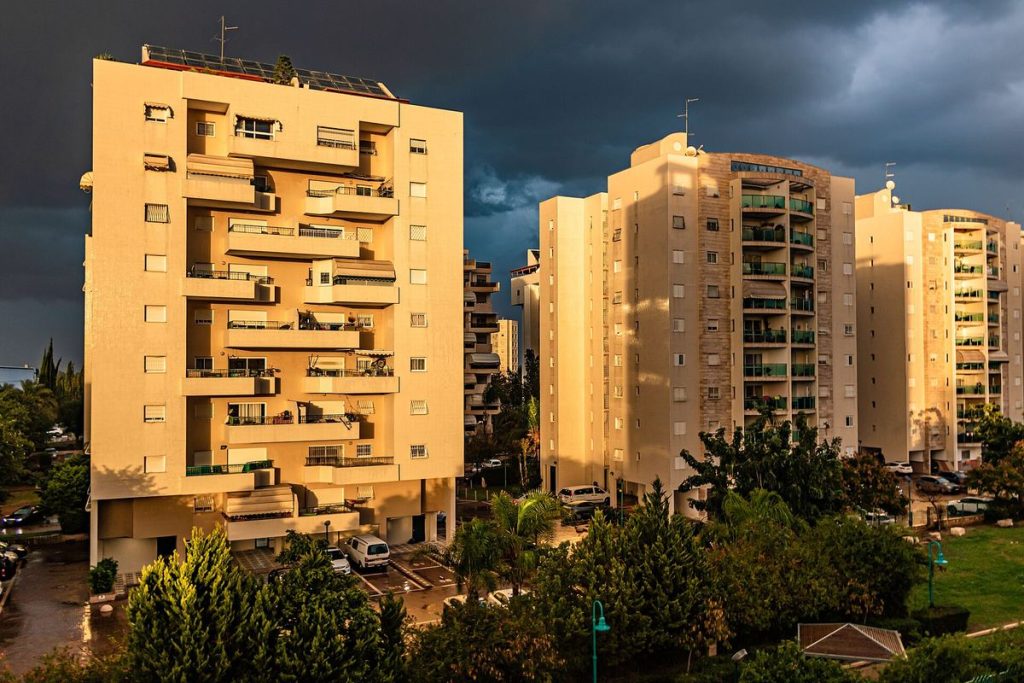
In Israel, a tenant cannot unilaterally change the locks on your penthouse without your written consent. The law protects the integrity of the property and the safety of common areas. Any changes must be documented and the property restored to its original condition at the end of the lease. You retain control over main access points and emergency exits.
The right to modify access: what the lease law says
The distinction between the individual front door and emergency exits is fundamental. The main door of the apartment is part of the private residence, but emergency exits and service doors fall under building safety. Changing a lock on an evacuation door without authorization is a serious violation. Collective safety takes precedence over individual convenience.
The absence of an explicit clause in the lease does not give the tenant a free pass. Under Israeli law, standard practice requires the owner’s consent for any structural or safety modifications. If the lease is silent on the matter, the implicit norm applies: the initial condition of the property must be preserved. Any « substantial change » to the property’s condition at the start of the tenancy must be recorded in a written report. This document serves as the reference for the return of the property.
- The individual front door can be modified with written consent.
- Emergency exits and service doors cannot be touched without approval from the owners’ committee.
- The initial condition of the property is the sole reference for restoration.
If the tenant wants a more complex locking system, they must submit a written request. We then verify that the request complies with the building’s safety standards. Your lack of response may be interpreted as tacit consent in some cases, but this is a gray area to avoid. It is better to issue a written refusal or a conditional approval. Clarity protects both parties.
The tenant’s key: a temporary object or transferred property?
Handing over keys is a loan for use, not a transfer of ownership. The tenant has the right of access, but not ownership of the locking mechanisms. At the end of the lease, the return of items is strict. The tenant must return all keys, including copies made with your consent. If they made a copy without authorization, they must return it or prove its destruction.
For a penthouse, the complexity is higher. There are often multiple access points: the front door, access to the terrace, and a private staircase if the building has one. Each point must be accounted for in the condition report. The loss of a key for a secondary access, such as the terrace, is more critical than for an interior door.
- The tenant keeps copies made with authorization.
- They must return all original keys and unauthorized copies.
- The loss of a terrace access key requires an immediate lock change.
We manage the handover of keys in person during the end-of-lease inspection. If the tenant leaves abruptly, we proceed to change all locks on common and private access points. The cost of this intervention is at their expense, deducted from the security deposit. Building safety cannot wait. See also Tenant loses penthouse access code: what to do in Israel? for electronic systems.
Lock changes: when the tenant acts alone
In the United States, technical inspections are often required before construction work. In Israel, there is no « usage inspection » for a lock. However, a building inspection (bedek bayit) can be requested by the parties if a modification seems to compromise the structure. This is not an administrative formality, but a technical verification by a professional.
The main risk is accidental locking or damage caused by poor installation. If the tenant damages the door frame or the original lock mechanism, they are responsible for repairs. They must have a professional assess the damage before starting work. This written assessment is your best evidence.
- No legal technical inspection is required to change a lock.
- A building inspection (bedek bayit) is possible upon request.
- The tenant’s liability extends to structural damage caused by the installation.
The concept of « nuisance » is also important. If the new lock generates noise or vibrations that disturb the neighbors, the vaad bayit can intervene. The tenant must use materials and mechanisms that comply with building standards. A unilateral change that creates a nuisance can be overturned by the court. The peace of neighbors is a legal protection.
Service doors and common access: the red line
The distinction between the private apartment and common areas is strict. The service door, roof access, or common staircases belong to the building. The tenant has no right to modify these elements. Any modification to the lock of a common door without authorization is a violation of the building regulations.
The intervention of the owners’ committee (vaad bayit) is direct in case of unauthorized modification. The committee can demand immediate restoration and impose a fine on the tenant. For a penthouse with direct access to the terrace or roof, the security of the entire building is at stake. A modified lock on the roof access could allow third parties to access the top-floor apartments.
- Common areas can only be modified with the consent of the vaad bayit.
- Roof or terrace access is a critical security point.
- The owners’ committee can impose restoration and sanctions.
We always inform the tenant of zones where modification is prohibited. In the lease, we explicitly list the doors that fall under common areas. This precision avoids misunderstandings. If the tenant ignores this clause, they assume the costs of restoration and any potential fines from the vaad bayit. Collective safety is not negotiable.
The role of the mamad and interior security
The mamad is a secure room distinct from the rest of the apartment. Its lock and door are designed to resist break-ins. You do not change its lock like you would for a front door. The specific security standards for mamad rooms are strict. Any modification must be validated by a security expert.
The difference between exterior access security and mamad security is major. The mamad is an autonomous entity. If the tenant wants to change the mamad lock, they must provide proof of compliance with security standards. Without this proof, the change is prohibited. The future resale or rental of the apartment depends on the integrity of this room.
- The mamad is a distinct secure room.
- Its lock can only be modified with expert validation.
- Compliance with security standards is a condition of the asset’s value.
We verify the condition of the mamad during the initial and final condition reports. If the tenant modified the lock without authorization, we demand restoration by a certified professional. The cost is at their expense. The security of the mamad is a key element of the apartment’s value. Failing to preserve it is a serious fault.
In case of dispute: evidence and assessment
There is no « mandatory expert report » in Israel for a lock dispute. The method is to have the situation assessed by a professional. You hire a locksmith or engineer to draft a written report of the modifications and damages. This document serves as evidence in legal proceedings.
The role of the shtar ‘hov (promissory note) is crucial. If the tenant refuses to pay for restoration work, you can require them to sign a shtar ‘hov for the amount of repairs. This promissory note is an enforceable instrument. It allows you to seize their assets without going through a long trial. It is a powerful tool for recovering owed sums.
- Assessment by a professional is the basis of evidence.
- The shtar ‘hov allows debt enforcement without a long trial.
- Written formal notice is the first legal step.
The procedure for written formal notice must be clear and precise. You specify the work to be done, the deadline, and the consequences of non-compliance. The response deadline under Israeli law is generally short. If the tenant does not respond, you can initiate enforcement proceedings. Speed is essential to protect your interests.
Restoration at the end of the lease: who pays for the return to original condition?
The allocation of responsibilities depends on the nature of the damage. Normal wear and tear is the owner’s responsibility. Voluntary damage or unauthorized modification is the tenant’s responsibility. The cost of removing and installing the original lock is borne by the tenant if they changed the lock without consent.
If the tenant leaves abruptly, service continuity is a priority. We proceed to change all locks on common and private access points. The cost is deducted from the security deposit. If the deposit is insufficient, we use the shtar ‘hov to recover the balance. The recovery of keys is a mandatory step.
- Normal wear and tear is the owner’s responsibility.
- Unauthorized modification is the tenant’s responsibility.
- The security deposit covers restoration costs.
We manage restoration systematically. Each modification is documented and billed. Transparency is the best protection against disputes. If you are renting from abroad, this management is essential to preserve the value of your property. Consult our guide for renting from abroad. For specific access points, see Penthouse terrace access: rental management in Israel.
Never allow a tenant to modify a lock without precise written consent. Demand a building inspection (bedek bayit) before work and keep a copy of the initial condition report. In case of dispute, use a shtar ‘hov to secure payment for repairs. The security of your penthouse is your primary responsibility.

Gestion locative en Israël pour propriétaires francophones. Bureaux à Netanya, 26 Dizengoff. Une question sur votre bien ? Écrivez-nous.