Penthouse Terrace Damage: Who Pays for Repairs in Israel?
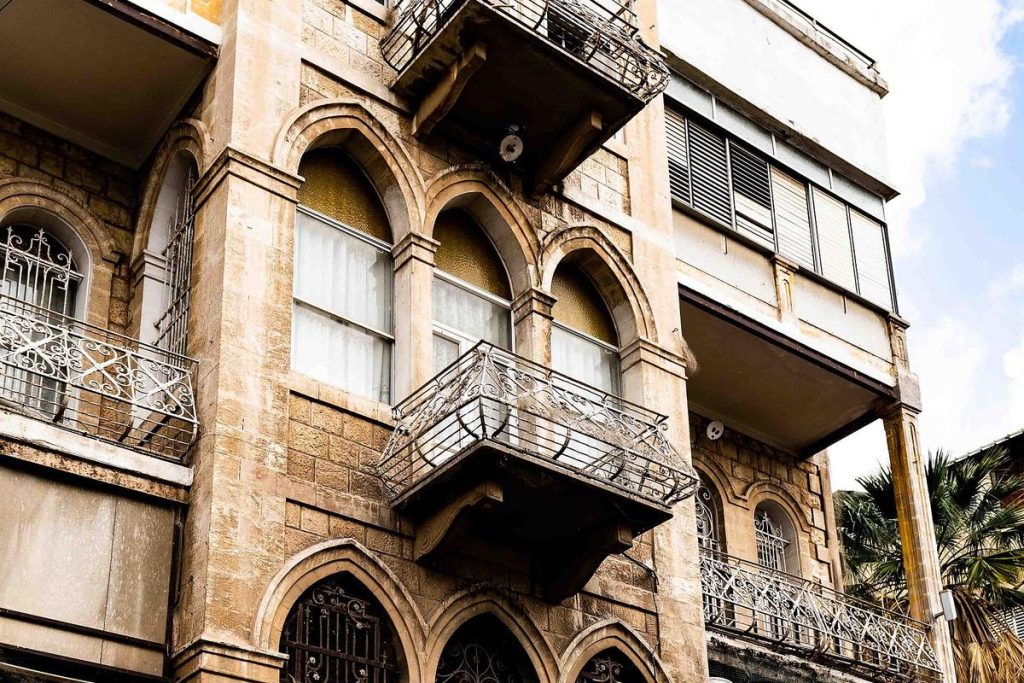
The owner covers repair costs when terrace degradation results from natural wear and tear or a structural defect, such as water infiltration. The tenant is responsible for costs if damages stem from improper use or negligence, such as damage to the flooring or outdoor equipment. Resolving these disputes relies on comparing the documented initial condition with the findings made when the tenant moves out.
The condition of the terrace at the time of move-in
Managing a penthouse requires particular rigor from the moment the lease is signed. To avoid future disputes regarding the terrace, we perform a detailed joint inspection. This document includes high-definition photographs of every area: tiling, railings, drainage points, and technical installations. This process allows us to freeze the state of the surfaces and waterproofing before the tenant takes possession of the premises.
We systematically distinguish between normal wear and tear, induced by constant exposure to the Israeli sun, and damage caused by usage. Intense UV radiation can fade certain materials or change the appearance of some plastics without constituting tenant fault. To validate the proper functioning of outdoor equipment, such as electrical outlets or water points, we recommend hiring a professional for a bedek bayit. This building inspection certifies that the doud shemesh or drainage systems are operational at the time of move-in.
Without this precise starting point, it becomes impossible to prove that a crack or a stain on the floor did not already exist. We advise attaching these photos to the lease agreement so they serve as evidence. If the tenant wishes to install heavy equipment, such as a spa, they must check the building’s bylaws and consult us regarding Installing a jacuzzi on a penthouse terrace: tenant authorization in Israel to avoid compromising the structure’s waterproofing.
Defining responsibility based on the nature of terrace damage
The allocation of costs depends on the direct cause of the damage. We classify interventions into two categories: structural damage and usage damage. Structural damage concerns the very integrity of the building, such as cracks in the slab or waterproofing issues that cause leaks for neighbors below. These repairs are the owner’s responsibility, as they pertain to the maintenance of the building.
Aesthetic or furniture damage falls under the tenant’s responsibility. If the tenant breaks part of a railing or burns the floor covering with unauthorized equipment, the cost of restoration is their responsibility. We perform a cause analysis to determine if the degradation is the result of proven negligence regarding fixed installations or a weather event.
The replacement of items due to obsolescence is also the owner’s responsibility. For example, if the outdoor unit of a mazgan stops working due to its age, the tenant is not required to pay. We verify the age of the equipment and its general maintenance condition to make a decision. The distinction is as follows:
- Structural damage (waterproofing, slab cracks): Owner.
- Usage damage (breakage, stains, burns, damaged furniture): Tenant.
- Technical obsolescence (failure of the mazgan, wear of the doud shemesh): Owner.
Managing repairs via the shtar ’hov
In Israel, the shtar ’hov is a frequent guarantee tool. It is a promissory note signed by the tenant and their arev. Contrary to popular belief, this document is not insurance. It does not allow for the automatic withdrawal of money from the tenant’s account to cover terrace repairs at the end of the lease. To use this mechanism, the owner must obtain an enforceable title or a written agreement from the tenant regarding the amount of the work.
When we observe degradation on the terrace, we calculate the repair amount based on actual quotes provided by specialized local companies. We cannot impose an arbitrary flat fee. The amount must correspond to the cost of restoring the area to its original state. If the tenant contests the amount, the shtar ’hov can be used within legal proceedings to obtain payment, but it does not bypass the negotiation phase or the need for an expert assessment.
We verify the validity of the shtar ’hov, specifically the signature and the identity of the arev, to ensure the guarantee is legally actionable. If the tenant refuses to pay for terrace degradation, the process can become lengthy. This is why the precision of the move-in inspection is our only real protection for activating this guarantee.
The impact of vaad bayit association fees on terrace repairs
A penthouse terrace can have a complex legal status. It may be a private area, but its structure may be linked to the common areas of the building. We identify the nature of the degradation to determine if the vaad bayit must intervene. If the degradation only affects the floor covering or terrace furniture, it remains a matter between the owner and the tenant.
If the damage impacts the building-for example, if a leak from the terrace damages the walls of the apartment below-the situation changes. We must then determine who pays for the professional intervention. If the infiltration is due to a lack of terrace maintenance (drains clogged by the tenant), the owner is responsible toward the neighbor but may seek recourse against the tenant. If the leak stems from a flaw in the waterproofing structure itself, the vaad bayit must manage the repair using the association’s funds.
Managing disputes with the association requires precise communication. We check the building bylaws to confirm whether terrace waterproofing work is considered a common or private expense. This distinction is crucial to prevent the owner from solely bearing costs that are the responsibility of all co-owners.
Recovering costs and tax obligations with the reshut ha-misim
Any expense incurred for the restoration of a terrace must be documented to be useful. We advise keeping all repair invoices from registered companies. These documents are essential to justify expenses to the reshut ha-misim. In Israel, managing real estate taxes requires perfect traceability of financial flows.
We verify the impact of the work on the mas hachnasa declaration. There is a major difference between routine maintenance costs and renovation investments. A one-time repair for a terrace leak is a deductible expense. In contrast, complete waterproofing replacement or full replacement of the flooring may be considered an asset improvement. This distinction changes how expenses are treated in income tax calculations.
If the owner recovers funds from a tenant via a shtar ’hov to cover repairs, this amount must be correctly accounted for. We verify the consistency between quotes, contractor invoices, and the sums received to ensure total compliance with Israeli tax administration requirements.
Cases of terraces in joint ownership or yerusha
Managing a penthouse can become complex if the property belongs to an estate. In the context of yerusha, the terrace may suffer degradation while heirs settle the succession process. We manage reimbursement requests when the owner is a non-resident heir. In such cases, coordination with other beneficiaries is necessary to validate restoration expenses.
We verify the legitimacy of signatures on repair contracts or dispute settlement agreements. In the event of a tsav yerusha (probate order), it is necessary to ensure that the person incurring the costs or signing the documents has the legal capacity to do so on behalf of the estate. Without this verification, the validity of the work and the recovery of costs from the tenant could be contested.
The distribution of restoration costs among different heirs must be done pro rata to their shares. If degradation occurs while the property is in transition, we help clarify who must bear the charge. To understand how expenses are managed in these specific situations, you can consult our article on Who pays the expenses for an apartment in case of inheritance in Israel?. Our property management ensures continuity of management, even during succession periods, to protect the condition of the property.
| Type of damage | Tenant responsibility | Owner responsibility |
|---|---|---|
| Structural crack or waterproofing | No (except proven fault) | Yes |
| Burn or breakage on floor covering | Yes | No |
| Malfunction of the doud shemesh | No | Yes |
| Degradation of the outdoor mazgan | Yes (in case of impact/negligence) | No |
| Drain blockage by debris | Yes | No |
To protect your investment, never neglect the move-in inspection. A bedek bayit performed by a professional before the tenant arrives is the only way to distinguish wear related to the Israeli climate from accidental degradation. Without this document, recovering repair costs via a shtar ’hov becomes legally uncertain.

Gestion locative en Israël pour propriétaires francophones. Bureaux à Netanya, 26 Dizengoff. Une question sur votre bien ? Écrivez-nous.