Who pays the apartment fees in the event of an inheritance in Israel?
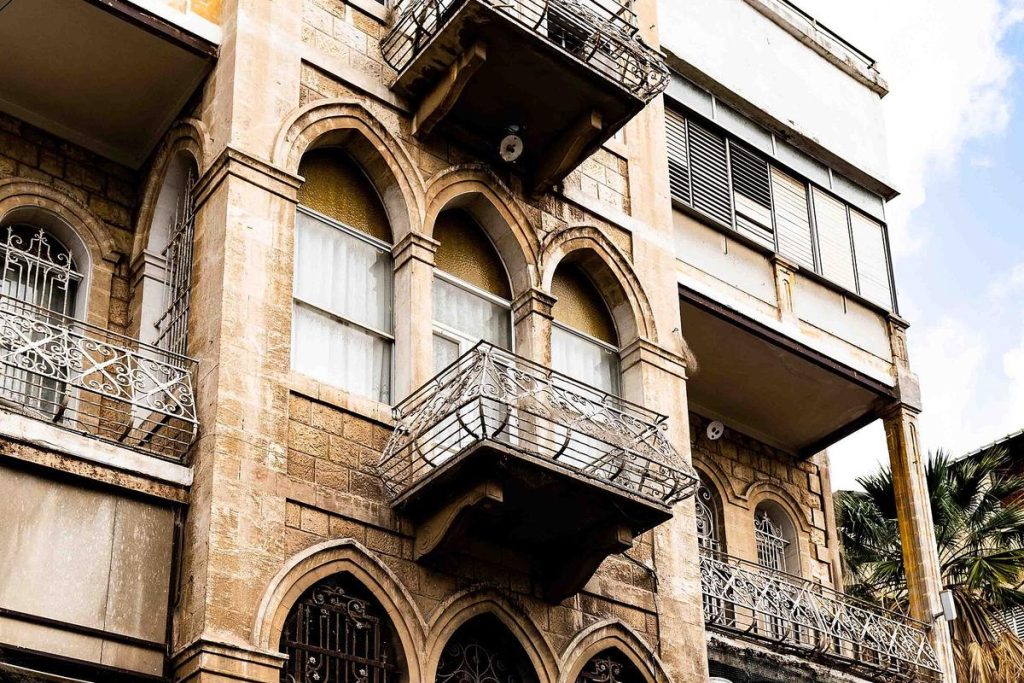
Costs related to an inherited property in Israel, such as arnona and vaad bayit, are legally the responsibility of the heirs as a collective group until the property is sold or effectively distributed. Each heir is responsible for their share of the expenses proportional to their portion of the inheritance. To avoid unpaid bills with the municipality or the building management, we recommend appointing a representative or opening a dedicated account to centralize payments.
The transmission of the tsav yerusha and the transfer of expenses
The management process begins as soon as the tsav yerusha is obtained. This document, issued by the family court, is the only title that allows heirs to prove their status as new owners to Israeli authorities. Without this order, no account modifications can be made. We verify the validity of this document before starting any administrative steps on behalf of our clients.
Once you have the tsav yerusha, you must update the accounts with the municipality for the arnona and with the building management for the vaad bayit. In Israel, the municipality does not automatically transfer responsibility following a death. If the deceased’s name remains on the bill, late notices and penalties will continue to be addressed to the former owner, which can complicate the situation during a future sale. We handle the sending of certified copies of the document to the relevant departments to ensure continuous payment.
- Obtain the tsav yerusha from the family court to legitimize the transfer of ownership.
- Notify the municipality to change the holder of the arnona account.
- Inform the vaad bayit of the change in situation for the payment of building maintenance fees.
- Distinguish between the heirs’ joint responsibility toward third parties and the internal management of reimbursements among family members.
Distribution of expenses among heirs before the sale of the property
Holding a property in common requires rigorous organization of financial flows. Israeli law does not define a single method of payment for the holding costs of a vacant property. Managing arnona and vaad bayit invoices requires a precise calculation method to avoid tension among heirs. To determine the amount each person must pay, the total annual charges must be divided by the number of shares defined in the succession order.
The vaad bayit covers building maintenance costs, such as the elevator, cleanliness of common areas, or lighting. These fees are often collected monthly. If the property is left vacant, charges can sometimes be higher due to the need to maintain installations in working order. To avoid contacting each heir for every invoice, we advise centralizing the funds. Using a dedicated bank account or appointing a third party to handle automatic withdrawals ensures the property does not face disputes with the building management, which could hinder a quick sale.
| Type of charge | Collecting entity | Common calculation method |
|---|---|---|
| arnona | Municipality (Iriya) | Apartment size and geographic zone |
| vaad bayit | Building management | Share based on the unit’s surface area |
| Electricity / Water | Utility companies | Actual consumption or flat rate based on the meter |
To learn more about managing these costs, consult our article on property management fees and arnona for a vacant apartment in Israel.
Management of technical maintenance costs for vacant properties
A vacant apartment in Israel faces specific environmental constraints. The lack of water circulation or use of equipment can lead to costly degradation. We recommend hiring a professional to inspect the doud shemesh. A solar water heater that is not used can develop pressure or corrosion problems. Similarly, the mazgan must be tested regularly to ensure the compressors do not seize from disuse, which would require a full replacement rather than simple maintenance.
Before putting the property on the market to buy or sell in Israel, we can organize a bedek bayit. This voluntary building inspection by a professional helps identify invisible leaks, sealing issues, or electrical defects. This step prevents discovering hidden flaws during potential buyer visits. A crucial point concerns the mamad. The door of the secure room must be checked to guarantee its seal and mechanical function. A defective mamad door can be a major obstacle during price negotiations.
- Check the operation of the doud shemesh to prevent hot water leaks.
- Test mazgan units to prevent component wear due to inactivity.
- Perform a complete bedek bayit to list necessary repairs.
- Inspect the condition of the seals and the closing mechanism of the mamad door.
Tax obligations related to holding inherited property
Holding property resulting from a yerusha has tax implications. If the heirs decide to rent the apartment to cover expenses while waiting for a sale, the income generated is subject to mas hachnasa. The declaration of this income must be made to the reshut ha-misim. It is imperative to keep all maintenance, arnona, and vaad bayit invoices. These expenses are deductible and will serve to reduce the calculation base for mas shevach during the final sale.
mas shevach is the capital gains tax. The calculation of capital gains takes into account the value of the property at the time of death and the final sale price. By precisely documenting every investment made in the property (renovations, repairs, management fees), heirs ensure they do not pay tax on amounts used to maintain the asset’s value. We collect and organize these supporting documents to facilitate the work of the lawyer or accountant during the real estate transaction.
Rental management as a tool to cover expenses
Renting the property can be a solution to make the apartment self-financing. The choice of rental type is decisive. Short-term rentals can generate higher income but require intensive daily management. Long-term rentals offer stability, allowing for the steady coverage of arnona and vaad bayit over the long term. In both cases, legal security is the priority. We verify the teoudat zeout of each tenant and require the signing of a shtar ’hov to guarantee rent payments.
The presence of an arev (guarantor) is also a common practice to secure income. GII intervenes to ensure operational management: we collect rents, pay the arnona and vaad bayit directly, and manage technical interventions. This relieves heirs of daily management and ensures that charges are paid on a fixed date, preventing the accumulation of debt on the property. To understand how we organize this rental process, read our guide on how to rent an apartment quickly in Israel: key steps.
Securing the transfer of ownership at the tabou
The sale of the property can only be finalized once the heirs are correctly registered at the tabou. The land registry is the ultimate proof of ownership. If the tsav yerusha has not been used to update the tabou, the sale will be blocked or will require long and expensive legal procedures. We systematically verify that the registration of the heirs complies with the succession order before initiating sale procedures.
There is a clear distinction between rental management fees (paid for the maintenance and management of the property) and real estate transaction fees (agency fees, notary or lawyer fees, transfer taxes). Rental management fees are operating expenses, while transaction fees are related to the sale of the asset. These should not be confused in your heir accounting. We distinguish these two types of costs in our reports to allow for total transparency regarding the use of the estate funds.
Once the sale deed is signed and the transfer of ownership is completed at the tabou, the management of the property changes. If you do not sell immediately and wish to keep the property, the question of daily management arises: who collects the keys, who manages the entry of new tenants, and who responds to an emergency on a Friday night for a water leak? To delegate these responsibilities and avoid managing unexpected issues from abroad, we offer our rental management services.

Gestion locative en Israël pour propriétaires francophones. Bureaux à Netanya, 26 Dizengoff. Une question sur votre bien ? Écrivez-nous.