Penthouse Terrace Safety in Israel: Owner Liability
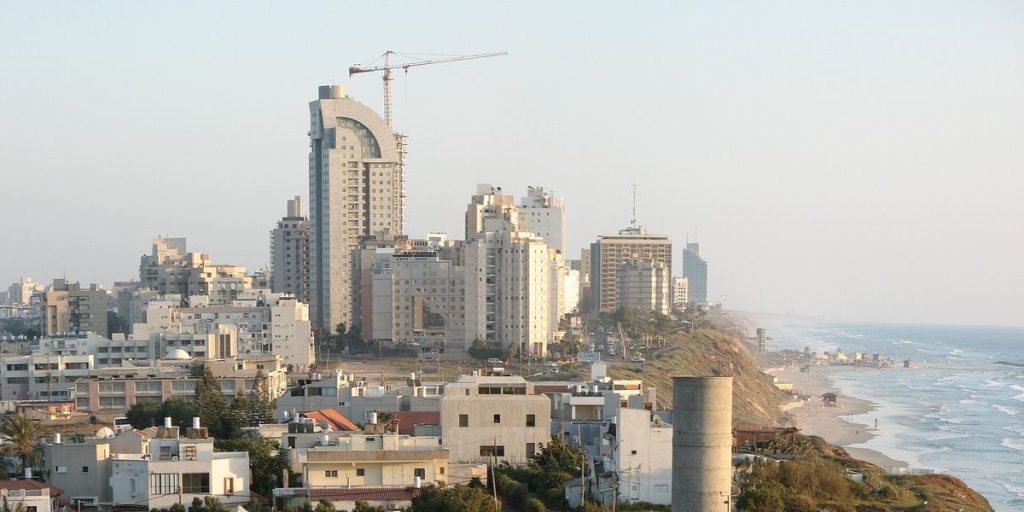
A property owner’s responsibility regarding terrace railing safety rests on the obligation to maintain the structural integrity of the installation to prevent fall risks. In Israel, liability is triggered if a failure in fixation or anchor corrosion causes an accident. The owner must ensure the structure complies with original plans and has not been altered by third-party installations or inappropriate use by the tenant.
Verifying railing compliance against architect plans and the tabou
The first step is to verify the consistency between the actual structure on the terrace and the official plans filed with the tabou. In Israel, terraces or extensions are sometimes constructed without municipal approval or without updating the land registry. If the railing was installed on a structure not appearing on the tabou plans, the owner assumes full legal liability in the event of an incident. We verify the consistency between the physical dimensions of the terrace and the property documents when taking over a property through our property management services.
It is necessary to identify if any modifications were made after the initial construction. Adding a floor or expanding a penthouse requires an amendment permit. Without this document, the railing may be deemed non-compliant, even if it appears sturdy. A major difference compared to the UK or US is the absence of a systematic certificate of compliance required after every terrace renovation. While structural changes in those countries often trigger strict building inspections, in Israel, the burden of proof regarding compliance rests almost exclusively on the owner in the event of a dispute.
Railing heights must meet Israeli safety standards for residential buildings. A railing that is too low, even if aesthetically pleasing, constitutes a civil liability risk. We advise comparing the actual height of the element with current construction standards for high-rise buildings, as the law does not distinguish between a standard apartment and a penthouse regarding perimeter security.
Technical inspection of the fixation system and concrete anchoring
The stability of a railing depends on the quality of its anchoring in the concrete slab. To assess this condition, we recommend hiring a professional to perform a bedek bayit. This inspection allows for testing the stability of mechanical or chemical fixations. A professional can verify whether the anchors or resins have lost their holding capacity due to thermal cycles or vibrations.
In Netanya, salt-laden sea air accelerates the corrosion of metal elements. We examine corrosion points on supports and fixing screws. A support showing signs of oxidation is an indicator of imminent anchor degradation. It is also necessary to check the integrity of the joints between the railing and the terrace slab. If the sealing at the base of the railing fails, water can infiltrate the concrete, causing anchor failure through carbonation. For more details, see our article on balcony waterproofing in Israel: maintenance and leakage risks.
To evaluate wear without complex load-measurement tools, a simple method involves performing manual pressure tests on the high points of the railing. If any movement or play is perceptible at the base, the anchoring is compromised. This does not replace an expert opinion, but it helps detect emergencies requiring immediate intervention. The examination should focus on the rigidity of the entire assembly rather than just the strength of the top rail.
Managing civil liability in the event of a fall from a penthouse
In the event of an accident, the distinction between the owner’s responsibility and that of the vaad bayit is decisive. The vaad bayit is responsible for the building’s common areas (exterior walls, load-bearing structure). The owner is responsible for private areas, which includes the penthouse terrace and its railings. If a fall is due to a failure of the railing itself, the responsibility lies with the owner. If the fall is due to a defect in the building’s structure, the homeowners’ association is targeted.
The installation of technical equipment can alter load distribution. Adding a mazgan (air conditioner) or a doud shemesh (solar water heater) in immediate proximity to the railing can induce additional vibrations or mechanical stress. We perform a visual check of the contact points between these installations and the protective structure. If a technician has fixed an air conditioner bracket directly onto the railing, it creates a risk of metal fatigue failure.
In case of an incident or visible degradation, the procedure is to have the condition documented by a professional. This technical report is essential for insurance management. The allocation of repair costs depends on the area of impact: if the degradation stems from a failure in the common waterproofing, the vaad bayit intervenes. If it stems from an impact on the railing or local corrosion, the owner must bear the costs.
Impact of technical installations on terrace perimeter security
Air conditioning units are omnipresent on Israeli terraces. We verify that the installation of these units does not create excessive support points or vibrations on the railing. A poorly secured air conditioner can transmit constant vibrations to the railing, which eventually loosens the anchors in the concrete. It must be ensured that supports are fixed into the building structure and not onto the railing itself.
The inspection must also cover the stability of piping supports. Condensate drain lines or pipes related to the doud shemesh are often fixed to protective structures. If these supports are poorly installed, they can exert lateral pressure on the railing. Furthermore, the accumulation of salt and moisture on these fixing elements accelerates component degradation. Sea salt acts as a corrosion catalyst on the screws and bolts of technical equipment.
A notable difference compared to the UK or US is the frequency of exposure to sea winds. Constant winds on the coast, particularly in Netanya, cause micro-movements in tightening elements. These vibrations, though slight, can lead to the progressive loosening of fixing elements over the years. Regular maintenance of terrace element tightness is therefore a necessary local practice to maintain perimeter security.
Allocation of maintenance costs between tenant and owner
The lease agreement must precisely define interventions related to daily use versus structural maintenance. The tenant is responsible for cleaning and maintaining cleanliness. The owner must handle structural maintenance, such as tightening fixations, anti-corrosion treatment, or replacing defective elements. We recommend including a clause formally prohibiting any modification of safety elements without written agreement.
A frequent practical case involves tenants installing heavy furniture or planters on the railing. If a tenant places massive planting boxes on the terrace edge, they alter the load intended for the structure. In the event of railing deformation due to this excessive weight, the tenant’s liability may be engaged. It is crucial to specify in the contract that the railing is not a load-bearing support for decorative or utility objects.
| Type of degradation | Responsible (Owner) | Responsible (Tenant) | Recommended action |
|---|---|---|---|
| Base corrosion | Yes | No | Replacement of fixings |
| Scratches or impact from furniture | No | Yes | Surface restoration |
| Loosening due to vibrations | Yes | No | Professional inspection |
| Modification of height | No (if unauthorized) | Yes | Immediate compliance restoration |
Safety checks when renting out a penthouse
When putting a property on the rental market, establishing a rigorous move-in inspection is indispensable. We systematically include a visual verification of railing stability. This means testing pressure resistance and the absence of play at the anchors. A rushed inspection of a penthouse terrace can be very costly in the event of subsequent litigation regarding safety responsibility.
The presence of child safety devices is a major point of vigilance. On high-altitude terraces, railings must be designed to prevent a child’s head or body from passing through. If the owner has installed bars that are too widely spaced, they are committing a safety error. During our owner visits in Israel: essential checkpoints, we pay particular attention to these spacings.
Finally, it is important to understand the role of the shtar ’hov. The tenant signs a shtar ’hov (promissory note) to guarantee rent payments and cover certain material damages. However, signing this document does not constitute general liability insurance for the owner. The shtar ’hov does not protect the owner against a lawsuit if a fall occurs due to a lack of railing maintenance. To ensure peaceful management, we periodically monitor the condition of safety elements during our visits to managed properties.
Before renting out any apartment with a terrace or penthouse, have the condition of the railings certified by a professional to avoid any dispute with the vaad bayit or insurers in the event of an accident.

Gestion locative en Israël pour propriétaires francophones. Bureaux à Netanya, 26 Dizengoff. Une question sur votre bien ? Écrivez-nous.