Previous Tenant’s Unpaid Rent: The Risk of Blocked Rerental in Tel Aviv
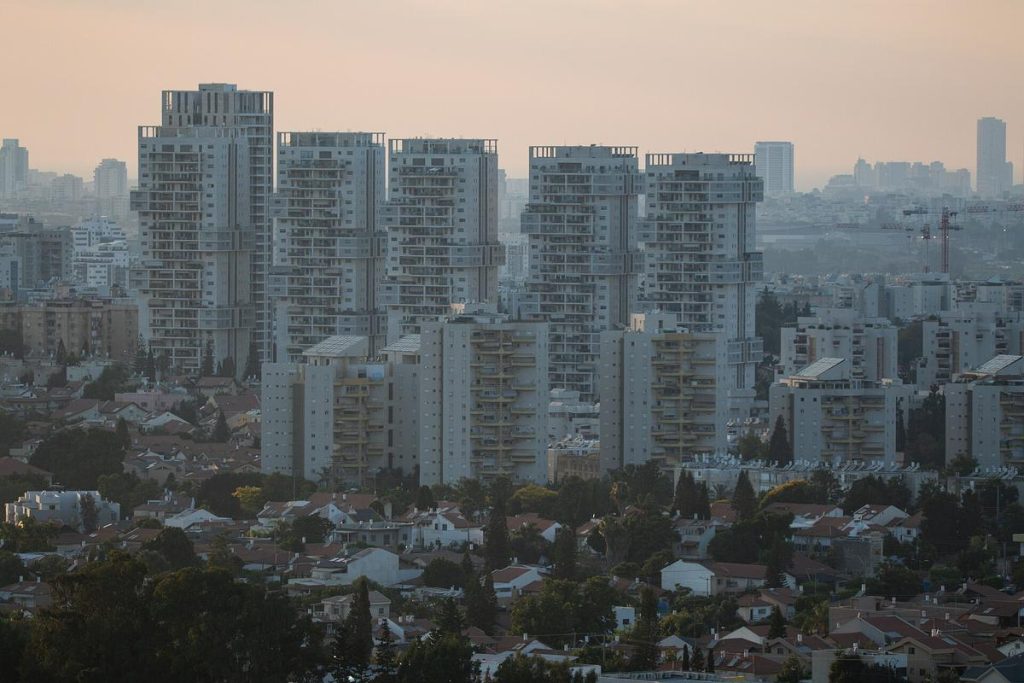
In Israel, water and electricity contracts are registered in the owner’s name, not the tenant’s. If the previous occupant left unpaid bills, you are liable to Mekor HaMayim and Israel Electric Corporation. Re-renting is legally blocked until services are restored, exposing the landlord to lease termination by the new tenant and late payment penalties.
Continuity of contracts with public providers
In the United States, it is common for the tenant to hold the electricity or water account. In Israel, the mechanism is different. The meters (Mikra) remain nominative to the owner. The provider, whether Mekor HaMayim for water or Israel Electric Corporation (IEC) for electricity, recognizes only the account holder. The debt is therefore legally the landlord’s, regardless of the previous tenant’s fault.
If the outgoing tenant has not paid their bills, the provider considers there is an unpaid balance on the owner’s account. The immediate consequence is the risk of service suspension. Water or electricity cuts are a standard procedure for recovering debts. An apartment in Tel Aviv without water or electricity is technically uninhabitable.
This situation blocks the signing of the new lease. You cannot legally rent a property cut off from vital networks. If you accept the keys from the new tenant while services are cut, you engage your contractual liability from the first day. The new tenant can demand immediate termination of the contract, without notice, and seek damages for loss of use.
There is no simple « debt transfer » clause between tenants. The debt to the provider is attached to the account. To regularize the situation, you must pay the arrears. This payment does not give you a right of recourse against the provider, but it opens a right of recourse against the outgoing tenant, subject to proof of the debt and the validity of your contractual guarantees. This is a major difference from the US system, where changing the contract holder is a simple administrative formality. Here, it is a matter of the owner’s solvency.
The weight of the arnona and tax liability
The arnona is the municipal residence tax. It is due by the property owner to the Tel Aviv municipality. Unlike condominium fees, the arnona is a personal tax obligation of the owner. A lease clause stating that the tenant « covers » the arnona has no value with the municipality.
If the previous tenant stopped paying or if you neglected to verify payments, the municipality pursues the owner. The debt is attached to the property (to the tabou number), not to the person. This means that any future transaction, or even simple rental management, can be affected by this tax debt. The municipality can require payment of arrears before issuing compliance certificates or updating the registry.
In the United States, property taxes are typically the responsibility of the owner, regardless of occupancy. In Israel, the municipality never bills the tenant for the primary residence. The cash flow risk is therefore immediate for the owner who wishes to re-rent. If the arnona is unpaid, the municipality can add late interest and penalties. These amounts are added to the principal debt.
Before handing over the keys to the new tenant, you must verify the status of the arnona with the municipality. You can consult your online account or request a certificate of non-debt. If a debt exists, it must be settled. You cannot transfer this obligation to the new tenant. It is your responsibility as the owner. This verification is distinct from the vaad bayit, which relates to the condominium. Confusing the two is a frequent error that leads to unpaid balances.
The shtar ‘hov as the only guarantee against the outgoing tenant
The shtar ‘hov is a promissory note signed by the tenant and their guarantor (arev). It is the main recovery tool. However, its scope is strict. It generally covers rent and, depending on the lease, the vaad bayit. It does not automatically cover debts to water and electricity providers, unless the lease explicitly states so.
If your lease does not mention the tenant’s assumption of previous bills within the framework of the shtar ‘hov, you cannot invoke this document to pay water and electricity bills due by the owner. The provider demands the sum from you; you pay it. Then, you must prove to the outgoing tenant that they owe you this amount.
In Tel Aviv, practice dictates that the shtar ‘hov is limited to rent. Unpaid public service bills are often handled separately. If the lease is silent, your recourse is limited. You can pursue the arev if the lease binds them to accessory debts, but this is a risky legal interpretation.
The recovery strategy relies on proof. You must keep unpaid bills, provider reminder letters, and meter readings. If the shtar ‘hov is valid and the lease includes service charges, you can present the shtar ‘hov to the court to enforce the debt. Otherwise, you must file a civil action for debt recovery, a longer and more expensive procedure. The shtar ‘hov is not insurance. It is a recognition of debt. If the debt is not recognized by the document, it is ineffective.
Checking meter readings and billing history
The procedure for joint meter readings is essential. Upon the tenant’s departure, you must have a professional record the indicators of the water and electricity meters. In the absence of a joint reading, providers bill based on estimates.
Mekor HaMayim and IEC apply estimated billing methods if the reading is missing. This estimate is often based on the average consumption of previous years. This amount can be higher than actual consumption, inflating the debt. For the owner, this means paying more than the outgoing tenant’s consumption.
You have the right to access detailed consumption history from the providers. Request monthly readings for the lease period. This allows you to identify the exact period of unpaid bills and assign responsibility. If the outgoing tenant left the apartment mid-month, the partial bill must be calculated based on the exit reading.
A precise reading allows you to split the debt. You can then ask the provider to close the outgoing tenant’s account and open a new cycle for the new tenant. Without this reading, the new tenant risks paying for their predecessor’s consumption. This is a major source of dispute.
We recommend hiring a licensed electrician or plumber to record the meters. The official record must mention the date, time, meter numbers, and indices. This document is proof of actual consumption. It protects you against abusive estimated bills and allows you to bill the outgoing tenant for the exact amount due.
The risk of dispute with the new tenant and lease nullity
Under Israeli law, the landlord has the obligation to deliver a habitable property. An apartment without water or electricity does not meet this condition. The new tenant can invoke the non-compliance of the property to terminate the contract without notice.
If the new tenant must lodge elsewhere while waiting for regularization, you must compensate these costs. This includes hotel, moving, and housing search fees. These damages are added to the unpaid bills of the outgoing tenant. The financial loss is therefore double: you pay the arrears of the previous occupant and you compensate the new tenant for the damage suffered.
The legal risk is that of lease nullity. If the property is not compliant at the time of signing, the contract can be annulled. You lose the rent and charges. Furthermore, if the new tenant discovers the unpaid bills and refuses to move in, you are in default.
To avoid this scenario, regularization must be done before handing over the keys. You must pay the providers and obtain written confirmation of service reactivation. The new tenant must record the condition of the property with meters at zero or a precise reading.
We emphasize prior verification. Do not sign a lease for a property cut off from networks. The risk of dispute is too high. The owner’s liability is engaged from the moment the tenant takes possession of the property. If services are cut, you are in default.
The role of the vaad bayit and condominium charges
The vaad bayit represents the condominium charges of the building. These are common costs: maintenance of common areas, building insurance, salaries of caretakers, etc. The vaad bayit is distinct from individual water and electricity bills.
If the building has a mamak (protected common space) or central heating systems, these costs are included in the vaad bayit. The outgoing tenant must have paid their share of the vaad bayit. If not, the vaad bayit can suspend common services, indirectly affecting the residence.
However, the vaad bayit does not cover water and electricity for individual apartments. These bills are direct. Confusing vaad bayit and service bills is a frequent error. The vaad bayit is paid to the condominium association; water and electricity bills are paid to public providers.
Before re-renting, also verify the status of the vaad bayit. If the outgoing tenant has unpaid charges, the association may refuse to issue a compliance certificate. This blocks re-renting. For more details on managing these disputes, consult our article on Disputing the common roof bill: manager and rented apartment.
The vaad bayit is often covered by the shtar ‘hov. This is a point of vigilance. If the outgoing tenant left the apartment with unpaid vaad bayit charges, you must regularize with the association before signing the new lease.
Regularization procedure and deposit management
Regularizing unpaid bills is a critical step before re-renting. Here is the procedure to follow:
- Joint meter reading: Have meters recorded by a professional upon the tenant’s departure. Obtain a signed official record.
- History request: Contact Mekor HaMayim and IEC to obtain unpaid bills and the exact amount of the debt.
- Arnona verification: Consult the Tel Aviv municipality to verify the status of the municipal tax.
- Payment of arrears: Settle water, electricity, and arnona bills to reactivate services and lift blocks.
- Recovery: Use the shtar ‘hov and the deposit to recover paid sums. If the deposit is insufficient, pursue the arev.
- Signing the new lease: Sign only after written confirmation of service reactivation and charge regularization.
Deposit management is a sensitive point. The deposit is intended to cover damages and unpaid bills. If water and electricity bills are not covered by the deposit (according to the lease terms), you must pay them out of pocket. To understand how to recover the deposit and any unpaid bills, we recommend reading our guide: Recovering the deposit in Tel Aviv: the foreign owner’s guide.
If you manage your property remotely, the complexity of these procedures is increased. Distance makes it harder to track reminders and negotiate with providers. This is why many English-speaking owners entrust management to a local professional. You can learn more about remote management modalities in our article: renting from abroad.
Before re-renting an apartment in Tel Aviv, systematically verify the status of water and electricity meters, the arnona, and the vaad bayit. Do not sign a new lease until services are reactivated and the outgoing tenant’s debt is estimated. Regularization must be done before handing over the keys to avoid lease termination by the new tenant.

Gestion locative en Israël pour propriétaires francophones. Bureaux à Netanya, 26 Dizengoff. Une question sur votre bien ? Écrivez-nous.