Private Penthouse Elevator Maintenance: Owner Responsibility in Israel
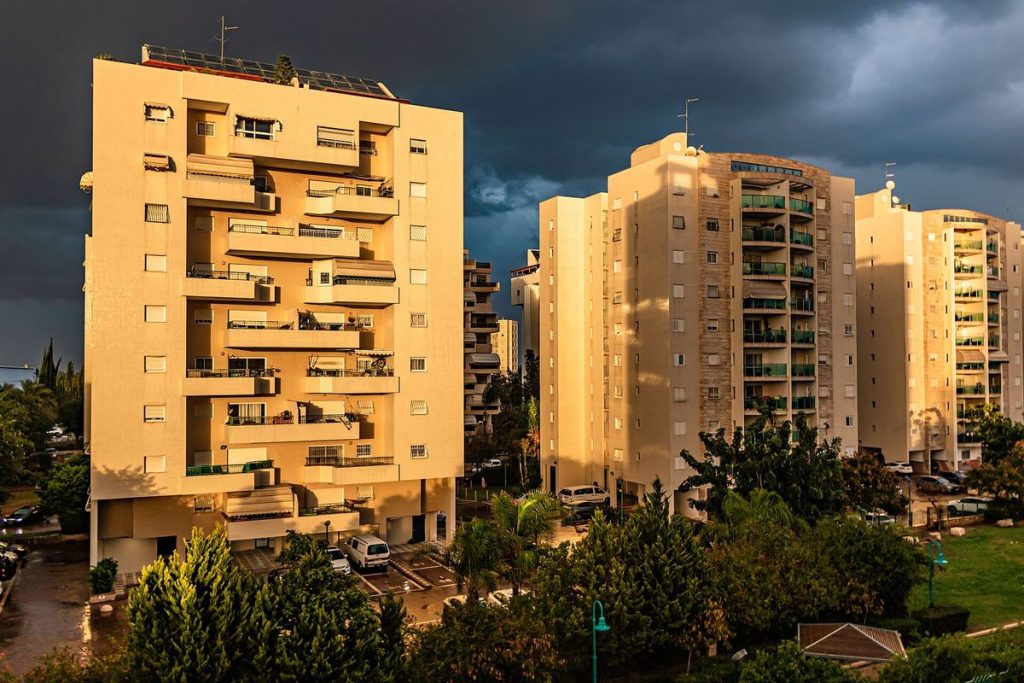
Maintaining a private elevator in a Netanya penthouse is the sole responsibility of the owner, distinct from common area fees. In Israel, there is no mandatory technical inspection before renting out a property, unlike in the United States. You must hire a professional to inspect the equipment (bedek bayit) and ensure user safety. GII coordinates these interventions from the United States to avoid liability disputes in the event of a breakdown.
The legal gray area between the vaad bayit and the private elevator
Many owners confuse the service elevator, which serves all floors and is managed by the vaad bayit (the homeowners’ association), with the private elevator connecting the top floor to the penthouse. This distinction is fundamental. The bylaws only cover common areas. If your elevator serves only your apartment, it is a private component. Maintenance is therefore your responsibility, not your neighbors’.
- Review your sales contract and the cadastral plan to verify whether the elevator is listed as private or common equipment. In Israel, the legal definition depends on the deed of ownership registered at the tabou (land registry).
- If you allow the vaad bayit to manage this equipment out of habit, you create legal ambiguity. In the event of an accident, the association may refuse to pay for repairs by citing the private nature of the installation.
- Do not rely on the vaad bayit for urgent interventions on your private elevator. They have no legal obligation to do so. You must have your own maintenance contract.
This strict separation is a specific feature of Israeli law. In the United States, the distinction between common and private areas is often less clear in daily practice. Here, the boundary is clear. If the elevator is private, you are the sole decision-maker. You choose the technician, you approve the quote, you pay the invoice. The vaad bayit has no role in this decision chain, unless it shares access to the main stairwell, which is a separate issue.
The bedek bayit: an on-demand inspection, not a legal obligation
In Israel, there is no pre-rental or pre-sale usage inspection for real estate. There is no equivalent to a home inspection or a lead paint test. The safety of the private elevator therefore rests on your initiative. You decide when to have the equipment inspected. The local term for this professional inspection is bedek bayit. It is not an administrative formality; it is a technical procedure.
- Hire a licensed engineer specializing in elevators. They must check the condition of the cables, braking system, motor, and cabin. Ask them to write a detailed report in Hebrew.
- This report serves as proof. If a breakdown occurs and the tenant disputes the cause of the problem, this document establishes whether the equipment was compliant at the time of rental. It is your best protection against negligence claims.
- Do not confuse the bedek bayit with a simple maintenance visit. The former is a comprehensive technical assessment; the latter is a routine intervention. Have a bedek bayit performed at least once a year, or when changing tenants.
In the United States, the absence of a mandatory usage inspection creates a legal gap that the owner must fill with caution. In Israel, this gap is even more pronounced because regulations for private elevators are less codified than for public ones. The law requires safety but does not specify inspection frequency. This is why a written report is essential. It transforms a vague safety obligation into concrete proof of diligence. Without this document, you are in a weak position before a court or an insurance company.
Managing maintenance from the United States: the role of the manager
You are in the United States; the elevator is in Netanya. The distance complicates technical management. You cannot call a local technician in English and expect them to understand the specifics of your installation. This is where our intervention makes sense. We manage the relationship with local providers for you.
- Our mandate includes selecting licensed technicians. We verify their certifications and their experience with the elevator models present in your building. We do not allow just anyone to work on risky equipment.
- Before any major intervention, such as replacing cables or the control system, we obtain multiple quotes. We analyze them for you and submit a written recommendation. You approve or reject the intervention in writing, without having to translate technical documents.
- We handle communication in Hebrew with the providers. Technical misunderstandings are frequent when the language is not shared. A misidentified cable can be very costly. We translate intervention reports and invoices to send them to you.
This remote management is crucial for an absent owner. You do not need to find a technical translator or negotiate in Hebrew. We act as your legal representative on the ground for technical aspects. You receive a clear report in English, with supporting documents. You know exactly what was done, what it cost, and whether the equipment is back in good working order. This is transparent management that avoids financial surprises.
User safety: the responsibility of the absent owner
A private elevator is not just a comfort. It is a safety device. Even if you do not live on-site, people use this elevator: your tenants, their guests, cleaning staff. You have a legal obligation to guarantee their safety. In the event of an accident, your civil liability may be engaged if maintenance was not up to date.
- Check your civil liability insurance policy. Many standard policies cover common areas but exclude private equipment. Ensure the elevator is explicitly mentioned. If not, take out a specific extension.
- In the event of a breakdown, your duty is to have a technician intervene quickly. A blocked elevator is an immediate danger. If you let the situation drag on without action, you commit negligence. Israeli law is strict regarding personal safety.
- Keep all intervention reports. In the event of a dispute, these documents prove that you took the necessary measures to ensure safety. This is your only solid defense. The absence of maintenance proof is often interpreted as a fault.
Owner liability in Israel is broad. It covers not only material damage but also personal injury. An accident in a poorly maintained elevator can lead to heavy lawsuits. This is why rigor in maintenance is not an option; it is an obligation. Never skip a scheduled maintenance session. Personal safety takes precedence over costs. This is a fundamental principle of Israeli civil liability law.
The cost of maintenance and its allocation during rental
When you rent out your penthouse, the question of elevator costs often arises. The general rule in Israel is simple: the maintenance of private equipment remains the owner’s responsibility. The tenant uses the elevator, but they do not maintain it. It is your responsibility to keep the equipment in good working condition.
- Include a clear clause in your lease. Specify that breakdowns due to normal wear or manufacturing defects are your responsibility. The tenant does not have to pay for the repair of a naturally aged cable.
- Distinguish between normal wear and intentional damage. If the tenant damages the cabin, buttons, or doors through negligence or malice, the repair is their responsibility. This is where the security deposit comes into play. Consult our article on Returning the security deposit for a penthouse: rules for the owner to understand how to handle these deductions.
- Never ask the tenant to pay for preventive maintenance. This is your management cost. However, you can require them to report any anomaly immediately. Their obligation is to alert you, not to repair.
This allocation is logical. You are the owner; you invested in the equipment. The tenant pays rent for usage, not for maintenance. If you try to transfer these costs to the tenant, you risk a dispute. In Israel, leases are regulated by law, and the tenant has rights. An abusive clause can be annulled by a court. It is better to be clear from the start. Transparency on costs avoids future conflicts and preserves the relationship with the tenant.
Spare parts and intervention times in Israel
A point often underestimated by American owners is the availability of spare parts. Private elevators are often specific models, sometimes old or imported. In the event of a breakdown, finding the exact part can take time. This is a major risk for service continuity.
- Identify the exact model of your elevator. Knowing the brand and motor type allows you to order critical parts in advance. We can help you establish this list of essential spare parts.
- Intervention times vary. For a simple breakdown, a technician can intervene within 24 to 48 hours. For a complex breakdown requiring a specific part, the delay can go up to several weeks. This delay directly impacts the tenant’s life and can lead to complaints.
- We negotiate with local suppliers to obtain the best times. We know the licensed parts warehouses in Netanya and the surrounding area. This local knowledge saves you precious time in an emergency.
In the United States, the standardization of parts is higher. In Israel, the diversity of elevator models creates logistical complexity. This is why it is crucial to have a maintenance contract that includes a commitment on response times. If the technician cannot repair the elevator quickly, they must propose an alternative solution, such as temporary access via a secured staircase. Managing the breakdown is as important as the repair itself. You must anticipate these scenarios to protect your tenant and your reputation as an owner.
The mamad and accessibility: a safety consideration
The elevator does not work alone. It interacts with the rest of the apartment, notably the safety room mamad. In the event of a power cut or fire, the elevator must stop functioning to avoid risks. It must not block access to emergency exits.
- Verify that the elevator is equipped with an emergency shutoff system in case of smoke detection or electrical failure. This system must be tested regularly. Without it, the elevator could remain blocked or operate dangerously.
- Ensure that the elevator cabin does not block access to the mamad or emergency windows. The layout of the space must allow for rapid evacuation. A physical obstacle can be fatal in an emergency.
- Fire safety standards in Israel are strict for high-rise residences. Your private elevator must comply with these standards. Have this compliance checked during your annual bedek bayit. This is a specific control point that we systematically include.
This interaction between the elevator and fire safety is a specific feature of penthouses. The elevator is often the only means of rapid access to the upper floor. If it breaks down or gets blocked, you are isolated. Safety is not limited to the elevator’s mechanics. It includes the integration of the equipment into the overall safety of the apartment. Neglecting this aspect is a serious error. The lives of your tenants depend on it. This is a responsibility you cannot fully delegate to the technician. You must require that this point be verified and documented.
Moving to sale: the impact of maintenance on asset value
If you are considering selling your penthouse, the condition of the elevator is a key factor. A well-maintained elevator is an asset. A failing elevator is an obstacle. Israeli buyers are increasingly attentive to the condition of technical equipment. They know that a breakdown is costly and complicates life.
- Prepare a complete maintenance file. Gather all bedek bayit reports, maintenance invoices, and compliance certificates. This file proves that the equipment was managed with care. It reassures the buyer and justifies a higher price.
- Have a complete inspection before putting the property on the market. If work is necessary, do it before signing. A buyer who discovers a breakdown during the final visit may negotiate down or abandon the purchase. It is better to invest in repair now than to lose a sale later.
- The cost of preventive maintenance is always lower than that of urgent repair. During the negotiation period, every day of delay costs money. We manage this preparation for you. We coordinate the technicians so that the elevator is in perfect condition at the time of the buyer’s visit.
The elevator is a value-added element. It is not just a technical piece of equipment; it is a selling point. A penthouse with a reliable private elevator is more desirable than one with a failing elevator. This difference is reflected in the price. By managing maintenance well, you protect your investment. This is an approach that pays off, whether you are selling or renting. The quality of maintenance is a signal of the quality of real estate management. It is a competitive advantage that you must exploit.
Do not let routine take precedence over safety. A private elevator is a complex piece of equipment. Even if you are in the United States, require a written annual inspection report in Hebrew, translated and archived. This is your only protection against financial surprises and legal risks related to personal safety. For complete management of your property, consult our guide on renting from the United States and our article on owner liability in the event of a breakdown.

Gestion locative en Israël pour propriétaires francophones. Bureaux à Netanya, 26 Dizengoff. Une question sur votre bien ? Écrivez-nous.