Private Underground Parking in Ashkelon: Securing the Purchase
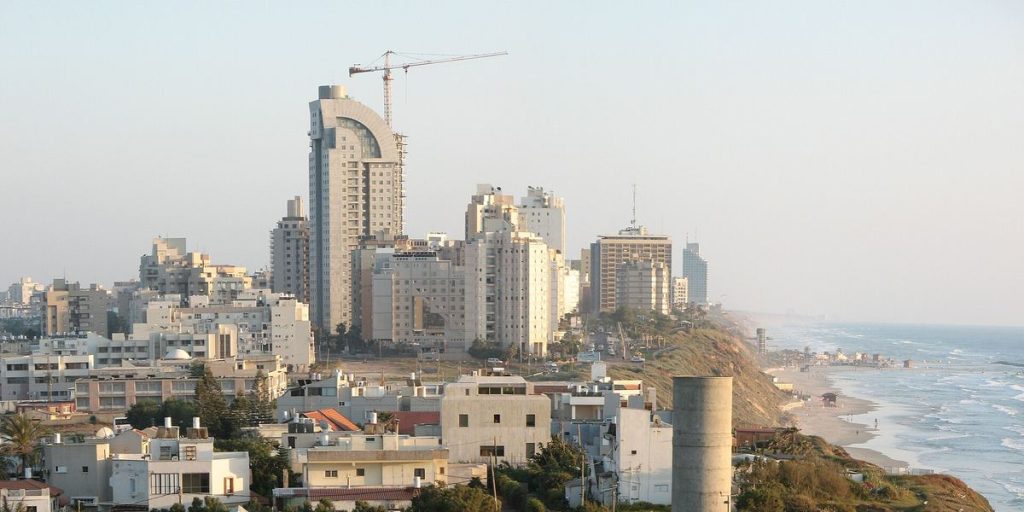
To secure ownership of a private underground parking space in a new complex in Ashkelon, you must require that the space be registered separately in the tabou (land registry) with a distinct parcel number. Without this registration, you are only purchasing a precarious right of use, which is not enforceable against third parties and cannot be transferred. Before signing, verify that the sales contract explicitly states exclusive ownership of the space, rather than a simple allocation under the vaad bayit (condominium fees).
Land Registry Verification
In the United States, parking rights are often included implicitly in the deed or through usage clauses. In Israel, the rigor of the tabou is absolute. If the parking space does not have its own parcel number registered in the registry, it does not legally exist as a distinct asset. It remains the property of the developer or the condominium association.
The main risk is purchasing a “right of first refusal.” The developer may promise you the space, but without registration in the tabou, they can sell it to a third party or reassign it for common use. To avoid this, ask your attorney to verify the status of the tabou before the final signature. You must obtain a copy of the cadastral map showing the precise boundaries of your space.
This verification is different from simply reviewing the building floor plan. The architectural plan shows the location, but only the tabou establishes ownership. If the developer refuses to provide the cadastral reference or if the registration is pending without a confirmed date, the transaction is incomplete. In new complexes, registrations are often done in batches. Ensure your specific unit is identified. This step is crucial for investing in Israel with confidence, as the value of the asset relies on clear title.
Exclusive Ownership or Right of Use
There are two legal statuses for a parking space: full ownership or a right of use. This distinction has major financial consequences. A space under exclusive ownership is registered in the tabou in your name. You can sell it separately from the apartment, rent it out, or pass it on through inheritance.
A right of use, often linked to the vaad bayit, means the space belongs to the building. You have the right to use it, but you cannot sell it alone. If you sell the apartment, the parking right extinguishes or transfers automatically, without a separate financial compensation. For an investor, this reduces the liquidity of the asset.
Price negotiations must reflect this difference. A space under exclusive ownership costs more because it is a tangible asset. A right of use is often included in the apartment price or billed at a nominal amount. Require a clause in the contract specifying the nature of the right. If the developer offers a “lifetime lease,” be cautious: this is not ownership. Legal security comes through registration in the tabou. Without it, your “private parking” is actually a common space where you are the current user.
Physical Access Control
Access to an underground space is not an inherent right upon signing the deed, but a contractual obligation. You must verify technical feasibility before paying. In new complexes in Ashkelon, access is often managed by automatic barriers and fobs. Who installs this system? The developer must commit to providing the access control hardware included in the sale price.
Check the width of the space and the maneuvering room. A standard space is approximately 2.5 meters wide. If your vehicle doors cannot open without touching the wall or the neighboring space, the spot is unusable. Test the gate opening during the final walkthrough. Ensure the access path is not obstructed by pillars or pipes.
The risk of obstruction by neighbors is real. If a neighboring space is rented to a tenant who parks poorly, they may block your access. The contract must include a clause prohibiting parking outside the designated boundaries. Additionally, verify the presence of a mamak (protected common area) nearby. If the parking encroaches on the secure zone, access may be restricted during an alert. This technical point is often overlooked, but it impacts daily use.
Condominium Fee Allocation
The vaad bayit covers the maintenance of common areas. The underground parking is part of this. You must understand how your share is calculated. In Israel, fees are distributed based on living area or a coefficient defined by the condominium bylaws. For a parking space, the coefficient is often lower than that of the apartment, but it is not zero.
The arnona (municipal tax) is paid on the apartment’s surface area. It does not cover parking maintenance. Basement maintenance, lighting, and ventilation costs are borne by owners through the vaad bayit. Request the budget forecast for the first fiscal year. If the parking requires heavy maintenance (waterproofing, painting, lighting), these costs can increase sharply.
Compare with other complexes in the same area. A poorly maintained parking generates high fees. A well-maintained parking with an efficient ventilation system costs less to maintain. This estimate is essential for calculating your total cost of ownership. Do not underestimate these fees: they are added to rent or property tax. Transparency regarding the allocation of vaad bayit is an indicator of the future quality of the building’s management.
Warranties and Technical Inspection
The developer is responsible for hidden defects and construction compliance. For an underground parking, the main risks are water infiltration and structural degradation. In Israel, the legal warranty covers construction defects. You have the right to have an inspection performed by a professional (bedek bayit) before receiving the keys.
This inspection is not mandatory, but it is strongly recommended. The professional will check the waterproofing of the walls, the rainwater drainage system, and the condition of the floors. Infiltration in an underground parking can cause significant damage to vehicles and the structure. If you discover leaks after receiving the keys, the developer’s liability may be reduced if you had not reported the issue.
Specifically check the junctions between walls and floors. This is where most infiltrations occur. If the complex is located near the coast, as in Ashkelon, the salinity of the air can accelerate the corrosion of rebar. An inspection by an expert allows you to detect these risks before they become costly. If you notice problems, require repairs before the final signature of the acceptance deed. To understand the issues of humidity in secure spaces, read our article on repairing an infiltration in a new mamad in Israel.
Clauses to Require in the Contract
The sales contract must be precise. Do not settle for the developer’s standard clauses. Require the explicit mention of the space number and its exact coordinates. The contract must state that you are purchasing the ownership of the space, not a right of use.
Include a non-compete clause: the developer commits to not selling usage rights on the same space to a third party. Add a penalty clause in case of delayed delivery of the space or non-compliance. If the space is not accessible as agreed, you must have a financial remedy.
Clearly define the perimeter of the space. Include the necessary maneuvering room to open doors. If the plan does not specify this margin, you may end up with a space that is too narrow. Drafting the contract is the moment when you secure your rights. A vague contract is a source of future disputes. Have the contract reviewed by an attorney specializing in Israeli real estate law. They will verify that the clauses comply with the law and protect your interests. This step costs less than a lawsuit.
Local Specifics in Ashkelon
Ashkelon has particularities that influence the design of underground parking. The city is subject to security alerts. The presence of a mamak or a mamad (safe room) is mandatory. Verify that the parking does not encroach on these protected spaces. If the parking is adjacent to a mamak, access may be restricted during an alert.
Ventilation standards are strict in coastal areas. Saline and humid air requires efficient dehumidification systems. Verify that the parking is equipped with a ventilation system compliant with municipal standards. A poorly ventilated parking degrades quickly.
Ashkelon’s municipal rules regulate the installation of electric vehicle charging stations. If you wish to install a station, verify the installation conditions and associated costs. These rules can vary from one complex to another. Finally, local topography influences rainwater management. A parking located at a lower elevation may be more vulnerable to flooding. Take these local factors into account in your evaluation of the property. To verify if your parking is included in the contract under the security title, read our guide on Parking under Mamad title: verifying its inclusion in the sales contract.
Post-Purchase Management and Maintenance
Once the contract is signed, parking management becomes an operational responsibility. Who receives the keys? The developer must hand over the access fobs and, if applicable, the keys to the space if it is locked. Ensure the access control system works correctly before leaving the premises.
Who finds the tenant if you wish to rent the space? In Israel, renting parking spaces is common. You can rent it directly or through a manager. If you are a resident in the United States, you cannot manage payment reminders or on-site incidents. This is where a professional comes in.
Who responds when a pipe bursts on a Friday? The vaad bayit manages common areas, but the maintenance of the space itself (if it is under exclusive ownership) is your responsibility. In case of water damage, you must be able to react quickly. A local property manager can intervene to document the damage, notify neighbors, and initiate the claim procedure with the insurer or the developer.
We manage the relationship with tenants, rent collection, and repair coordination. We ensure on-site presence in case of emergency. For more details on our services, consult our property management. The security of your investment relies on proactive management, not on luck.
Before signing, require a copy of the architectural plan approved by the Ashkelon municipal architect, confirming that the space is clearly delineated and accessible. If the developer refuses to specify the cadastral reference in the tabou, do not sign. A parking space without a clear title of ownership is a loss of money, not an investment.

Gestion locative en Israël pour propriétaires francophones. Bureaux à Netanya, 26 Dizengoff. Une question sur votre bien ? Écrivez-nous.