Registering a Mamad in the Land Registry After Purchasing Property in Israel
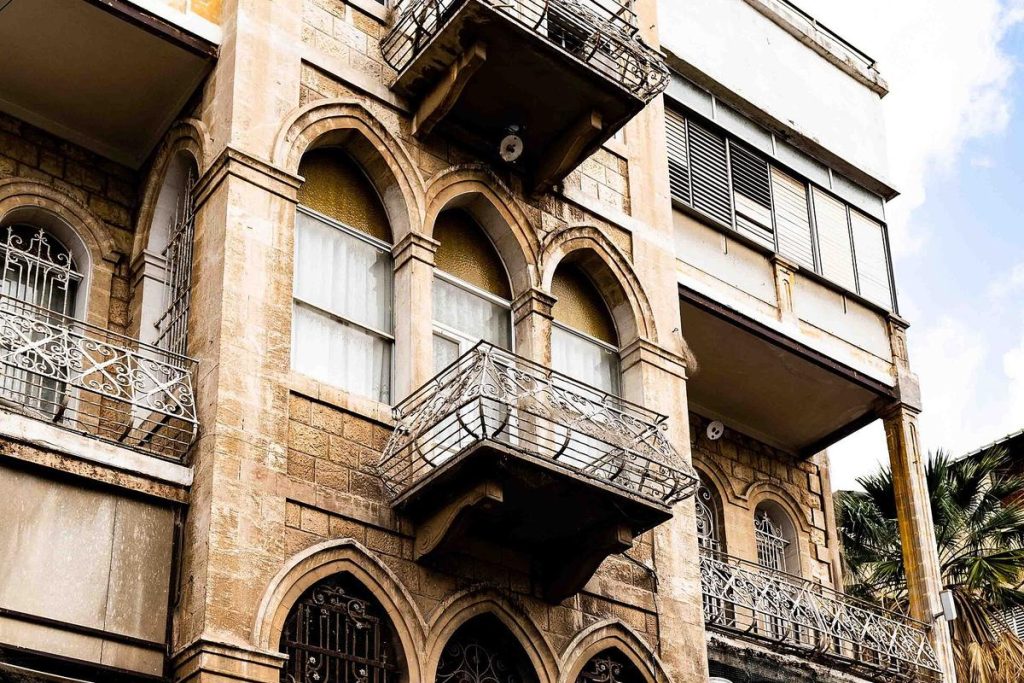
The mamad does not have a separate entry in the tabou. It is legally inseparable from the main residential unit. To ensure your name appears correctly on the land registry including this secure room, you must verify that the apartment’s cadastral description explicitly mentions the mamad area and that the notary submitted the registration declaration with the exact cadastral plan. This check prevents area errors that affect municipal taxes and future resale.
The legal status of the mamad: why it is not a standalone room
In Israel, the mamad is a reinforced room designed to protect residents during shelling or explosions. Unlike a basement or a parking space, which may sometimes have a distinct title or be sold separately, the mamad is a security feature integrated into the home. Israeli land law considers this room an extension of the residential unit. It has no independent legal existence. You cannot buy, sell, or mortgage the mamad independently of the apartment.
This indivisibility has a direct consequence for the tabou. The land registry does not list the mamad as a separate line item. It is included in the apartment’s total area. If the building is managed as a condominium, the mamad is often funded by the vaad bayit, but its ownership remains attached to the private unit. In the US, we sometimes distinguish between annexes. Here, security is a component of the home itself.
Be careful not to confuse it with the mamak. The mamak is a protected common space on the floor or in the building, used when the apartment does not have an individual mamad. The mamak is a common area. It never belongs to a single owner. It is managed by the vaad bayit. You do not register it in your name. Only the private area of your apartment, including the mamad if it exists, is registered in the tabou. Verifying the presence of an individual mamad is therefore a key step to understand what you are actually buying.
Checking the tabou: verifying rights before any action
Before signing the sales contract, you must obtain a recent extract from the tabou. This document is available from the land registration office or through authorized online platforms. Your goal is to confirm three points. First, the mention of the total area. The mamad must be counted in the apartment’s square footage. If the description indicates an area smaller than the physical reality, there is a cadastral error.
Second, the building’s status. Is the apartment in a condominium (vaad bayit) or under direct ownership? In a condominium, you are a co-owner of the common areas, but the exclusive owner of the private unit. The mamad falls under this private unit. The procedure for updating the tabou then follows condominium rules. In direct ownership, the procedure is simpler, but verifying the cadastral plan remains essential.
Third, the presence of liens. The tabou lists mortgages and seizures. An unreleased mortgage blocks the transfer of property to your name. If the seller has a bank loan on the apartment, the bank must provide a release before registration. Without this document, the mamad, like the rest of the apartment, remains encumbered. Do not sign the contract without verifying the absence of liens. This is the notary’s role, but you must demand written proof. An error here complicates resale and can make the contract unenforceable against third parties.
The role of the notary and registration: the chain of responsibility
The Israeli notary has a strict obligation to verify the contract’s compliance with the tabou. When drafting the sales contract, they must ensure that the building description includes the mamad. If the cadastral plan does not mention this room, the notary must require a correction before signing. They cannot overlook an inconsistency between the plan and physical reality.
After signing, the notary submits the registration declaration to the Land Registry Administration. This document links the sale to the update of the tabou. It contains the buyer’s name, the unit description, and the cadastral plan number. You must verify that the plan number exactly matches the unit including the mamad. A number error leads to the property being registered on the wrong plot or unit.
The notary’s liability is engaged if a description error goes unnoticed. They must verify the total area. If the mamad was added after the initial construction, they must ensure the plan has been updated. Otherwise, the taxable area and the asset’s value will be incorrect. You cannot rely on the seller’s good faith. The tabou is the source of truth. Any discrepancy between the contract and the tabou must be resolved before registration.
The case of older buildings: correcting cadastral errors
In Netanya, many buildings were constructed before the strict obligation to integrate mamad rooms into cadastral plans. It is common for the mamad to have been added later, without updating the plan in the tabou. In this case, the mamad area does not appear in the registry. The apartment is registered with an area smaller than reality.
To correct this error, you must request a modification of the cadastral plan. This request is submitted to the registration office. It requires the intervention of a licensed surveyor. The surveyor measures the apartment’s actual area, including the mamad. They establish a compliance report. This report proves that the room physically exists and is part of the unit.
Without this report, the tabou remains incorrect. The consequences are twofold. On one hand, the taxable area for the arnona is undervalued. The city may retroactively correct the tax. On the other hand, the asset’s value is distorted. In case of resale, the potential buyer will check the tabou. If they find that the mamad is not registered, they will demand a price reduction or a prior correction. It is therefore crucial to regularize the situation before listing the property. The surveyor must be chosen carefully. Their report must comply with the standards of the Land Registry Administration.
Impact on arnona and municipal taxes
The arnona is the municipal housing tax, paid to the city. It is calculated based on the apartment’s taxable area. The mamad increases this area. The Netanya city hall adjusts the arnona accordingly. If the mamad is not registered in the tabou, the city may discover it during an audit. They will then proceed with a retroactive adjustment. You will have to pay the tax difference from the date the mamad was added.
Verify that the buyer’s tax notification includes the total area with the mamad. This notification is sent by the city after registration in the tabou. Compare the indicated area with the cadastral plan. If the area is lower, contact the city to request a correction. A risk of overvaluation also exists. If the mamad is counted twice or misclassified in the tax calculation, you will pay too much.
The difference with the US is notable. In the US, property tax is often based on assessed value, not directly on square footage. In Israel, the arnona is linked to area and location. An area error therefore has an immediate and recurring financial impact. Do not let this error go unnoticed. An incorrectly calculated arnona can also affect resale. The buyer will check the payment history. Arrears or calculation errors complicate the transaction. Ensure that the mamad area is correctly integrated into the arnona calculation.
Insurance and liability: what the policy covers
Homeowners insurance must cover the mamad. You must declare this room to the insurer to guarantee its replacement value in case of damage. If the mamad does not appear as a distinct item in the contract, the insurer may refuse indemnification in case of damage. The mamad structure is often considered part of the building, but its contents and specific security features require an explicit declaration.
There is a clear distinction between insuring the contents of the mamad and the building structure. The building structure, including load-bearing walls and the common mamak, is covered by the vaad bayit insurance. Your personal insurance covers the interior of the apartment, including the individual mamad. In case of water damage or fire, your policy intervenes for the contents and private structure of the mamad.
Omitting the declaration of the mamad has serious consequences. In case of damage, the insurer may invoke a false declaration to reduce or refuse indemnification. It is therefore imperative to verify that your policy mentions the total apartment area, including the mamad. You can consult our article on Mamad standards after damage: security in Israel to understand security and insurance requirements. A poorly configured insurance policy can turn a minor incident into a major financial loss.
Selling or transferring the property: the importance of a clean tabou
A mamad not registered in the current owner’s name complicates resale. The potential buyer will check the tabou. If they find that the mamad area is not mentioned, they will suspect a cadastral error. They will demand a correction before signing. This delays the transaction and may reduce the sale price. A clean tabou, with an exact description of the unit including the mamad, is a commercial asset.
For inheritance transfer, the situation is similar. The tsav yerusha (inheritance order) issued by the family court must mention the property with its exact description. If the mamad is not registered in the tabou, the inheritance may be contested. Heirs must ensure that the tabou is up to date before requesting the tsav yerusha. An error here can block the transfer of property.
In case of resale, you must also verify the lease compliance if the apartment is rented. Consult our article on Checking lease compliance and water bills before purchase to avoid pitfalls. A poorly drafted lease or unpaid water bills can complicate the sale. A clean tabou is the basis of any real estate transaction in Israel. It guarantees that the property is clear and undisputed. Do not neglect this step. It is essential for the value of your asset and the legal security of your investment.
After signing: managing keys, tenants, and emergencies
Once the contract is signed and the tabou updated, the practical question arises. Who receives the keys? Who finds the tenant? Who answers when a pipe bursts on a Friday? As an English-speaking owner living abroad, you cannot monitor the property yourself. You need a local management structure.
The handover of keys must be formalized. A key handover report is signed between the seller and the buyer, or between the buyer and the manager. This document lists the condition of the property, including the mamad. It specifies the equipment present, such as the doud shemesh and the mazgan. Without this document, in case of a dispute over the property’s condition, you have no proof.
Finding a tenant is a complex task. The Netanya rental market is dynamic, but the rules are strict. The lease must comply with Israeli legislation. The shtar ’hov (promissory note) is often required in addition to the lease. It is not an insurance, but a signed debt acknowledgment by the tenant and their arev. Nothing is paid at signing. This document strengthens the owner’s security. Rental management includes drafting the lease, verifying the shtar ’hov, and finding solvent tenants.
In case of an emergency, such as a water leak on a Friday, responsiveness is crucial. Public services and artisans are closed on Saturday. Therefore, you need a local point of contact available. This manager answers tenant calls, organizes interventions, and follows up on repairs. They ensure that the mamad remains compliant and functional. This operational management is distinct from administrative management. It requires physical presence and knowledge of local networks. To manage these concrete aspects, we offer our rental management. It covers tenant search, lease management, and emergency interventions. You can also consult our advice on buying or selling in Israel to understand the entire process.
This article describes field practice and does not replace the advice of a lawyer or a qualified professional. Each situation depends on the lease, the building, and the municipality: have yours checked before acting.

Gestion locative en Israël pour propriétaires francophones. Bureaux à Netanya, 26 Dizengoff. Une question sur votre bien ? Écrivez-nous.