Renting a Furnished Apartment in Israel: The Importance of an Inventory
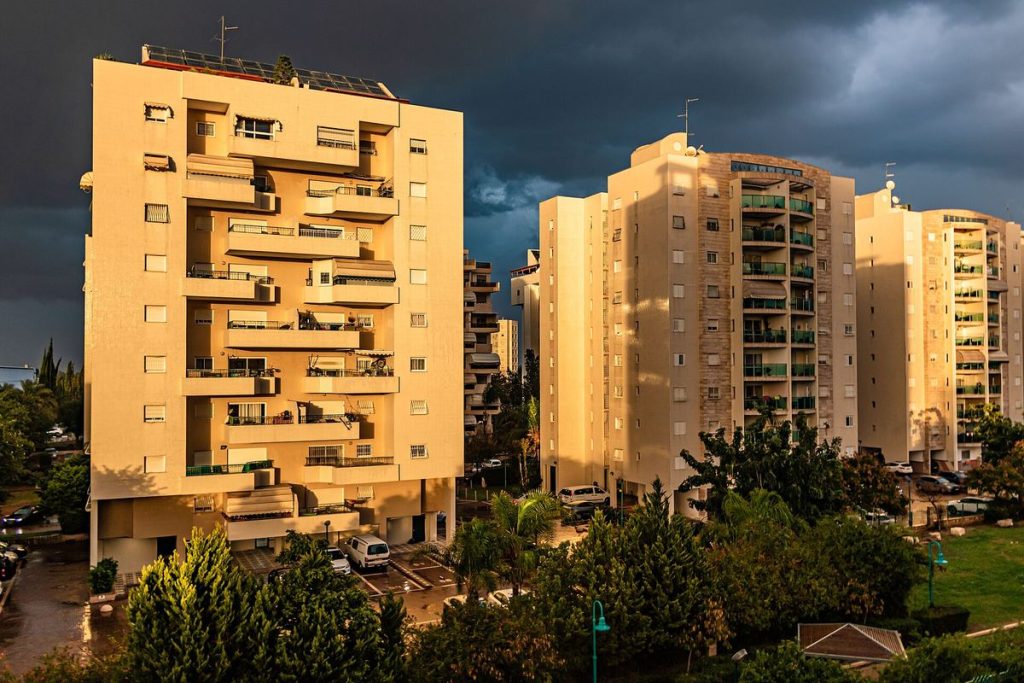
To rent a furnished apartment in Netanya, you must provide a home equipped with basic appliances: cooktops, a refrigerator, a washing machine, a water heater, and an air conditioning system. The furniture must be in perfect working order, and a precise inventory must be attached to the lease agreement. Unlike an unfurnished rental, the landlord’s responsibility extends to the maintenance of all mobile and fixed equipment included in the service.
Equipment inventory for furnished rentals in Netanya
Furnished rentals in Israel differ from unfurnished ones due to the extent of the supply obligations. In an empty apartment, the landlord only provides structural elements. In a furnished unit, you must include living furniture (beds, tables, sofas) as well as complete appliances. We systematically verify the presence and working condition of every item during the management handover to avoid disputes when the tenant moves in.
The inventory is not just for listing furniture. It serves as the basis for the move-in inspection, an indispensable document for justifying the use of financial guarantees at the end of the lease. We conduct a check of every appliance: we test the refrigerator temperature, the washing machine cycle, and the ignition of the cooktops. Without this detailed inventory, it becomes difficult to distinguish normal wear and tear from damage caused by improper use.
The legal distinction is clear: a furnished apartment may justify a higher rent, but it imposes an increased maintenance burden. If you manage this property from abroad, we recommend consulting our guide on renting an apartment in Israel from a distance: key steps to understand how we secure this equipment. A poorly executed inventory makes the shtar ’hov difficult to use in the event of damage to the furniture.
| Equipment Type | Examples to include | Recommended verification frequency |
|---|---|---|
| Major appliances | Refrigerator, washing machine, cooktop, oven | Before every new move-in |
| Basic furniture | Beds, wardrobes, table, chairs | During the move-in inspection |
| Thermal comfort | Air conditioners, water heaters | Before hot or cold seasons |
How the doud shemesh works and hot water management
In Netanya, almost all housing is equipped with a doud shemesh, a solar water heating system. This device uses solar energy to heat water via collectors installed on the roof. Unlike purely electric systems found in some other countries, the doud shemesh requires particular attention to two points: the condition of the solar collectors and the operation of the backup electric heating element. The latter takes over during periods of low sunlight or prolonged rain.
We verify the proper functioning of the switch between solar and electric modes. A failure of the electric heating element can leave a tenant without hot water, which engages your responsibility as a landlord. In the event of a leak in the tank or the piping related to the solar system, the repair is the landlord’s responsibility, as it is structural equipment linked to the building. However, if the leak results from misuse, the cost may be transferred to the tenant.
Maintenance of the doud shemesh can sometimes impact vaad bayit fees if the repairs involve common elements on the roof. It is useful to check if your building regulations provide for collective maintenance of solar installations. If the apartment is part of an inheritance, ensure that the installations have been inspected by a professional before renting, specifically by consulting renting an apartment from an inheritance in Israel: the steps.
Air conditioning and mazgan: ensuring thermal comfort
The mazgan is vital equipment for renting in Netanya. Without functional air conditioning, vacancy rates increase quickly. You will encounter two types of installations: « split » units (an indoor unit and an outdoor unit) or centralized systems in high-end buildings. We perform filter cleaning and an inspection of the outdoor unit before every new tenant installation to prevent compressor failure during a heatwave.
The distribution of repair costs follows a precise logic:
- The landlord covers the replacement of major wear parts (compressor, gas leak) and structural maintenance.
- The tenant assumes routine maintenance, such as cleaning filters, and repairs related to obvious negligence.
In recent apartments containing a mamad, temperature management is unique. The secure room is extremely well-insulated, which can create heat buildup if the mazgan power is undersized. We verify the power of the unit installed in the mamad to ensure the tenant can maintain a comfortable temperature without excessive electricity consumption. An undersized system will force the unit to run continuously, leading to premature wear that you will have to finance.
Kitchen equipment and installation compliance
The kitchen is the heart of a furnished apartment. To be considered functional, the home must have cooktops and an extraction system (hood). We check the condition of gas seals if the apartment is connected to the city gas network, or the condition of gas cylinders if the installation is autonomous. The safety of gas and water installations allows for no approximations; we have a professional certify the compliance of connections before the lease is signed.
In a furnished contract, managing appliance breakdowns (oven, dishwasher, microwave) is a frequent source of friction. If the appliance fails due to age, replacement is your responsibility. If the failure is due to a trapped object or misuse, the tenant must settle the bill. To avoid these disputes, we recommend including a preventive maintenance clause in the management contract.
We also advise checking the water pressure in the kitchen and equipped kitchen areas. Pressure that is too low can damage modern appliances or make water filters unusable. We integrate these checkpoints into our regular technical visits to guarantee the continuous use of equipment by your tenants.
Furniture and the security of the mamad secure room
The mamad is not just an extra room; it is a secure room meeting strict standards. In a furnished apartment, the layout of the mamad must remain functional. It is common to use it as a bedroom or office. The furniture chosen for this space must be adapted to its configuration: often more cramped and featuring reinforced acoustic and thermal insulation. We verify that the installation of heavy furniture does not block the opening of the reinforced door or degrade the seal of the security joints.
The seal of the mamad door is a critical point. If a tenant installs storage furniture too close to the door frames, it can prevent a hermetic closure, compromising the room’s function. We remind tenants that the mamad must remain clear to allow for optimal use during an alert.
Safety obligations related to the room’s equipment include verifying that electrical outlets and ventilation points are not obstructed by furniture. A poorly equipped or arranged mamad can become a major point of friction during the move-out inspection, especially if there are signs of drilling in the reinforced walls. We monitor these details to protect the integrity of your property.
Allocation of charges: arnona and vaad bayit
Managing charges is often a source of confusion for non-resident owners. In Netanya, arnona (municipal tax) is due by the owner but can be recharged to the tenant according to the terms of the contract. In a furnished rental, it is common for the rent to be « all-inclusive » for fixed charges, but this must be explicitly written.
Regarding the vaad bayit (building management fees), it covers the maintenance of common areas, the elevator, and building cleanliness. If you rent a high-end furnished unit, the vaad bayit may include services such as security or pool maintenance. We clearly distinguish between private consumption (water, electricity, gas) and building charges. The tenant must pay their consumption based on their readings, while the vaad bayit is generally managed by the owner to avoid unpaid fees that could impact building management.
| Type of charge | Usual responsibility | Recommended management method |
|---|---|---|
| arnona | Owner (liable) | Direct payment by the owner |
| vaad bayit | Owner | Included in rent or recharged |
| Electricity / Water | Tenant | Individual meters |
Financial security: the shtar ’hov and guarantees
To protect your equipment and furniture, using a shtar ’hov (promissory note) is the standard in Israel. This document is a debt recognition signed by the tenant. It is not insurance, but a powerful legal tool that allows for the recovery of sums in case of damage not covered by the security deposit. Unlike a cash deposit, the shtar ’hov does not require an immediate freeze of funds, which is more flexible for the tenant, but it requires absolute rigor during its drafting.
The arev (guarantor) plays a complementary role. If the tenant is a student or an expat without stable local income, the arev commits to covering any defaults, including damage caused to furniture. We verify the solvency of the arev and the validity of their teoudat zeout to ensure the strength of the guarantee.
In the event of major equipment damage (for example, a refrigerator rendered unusable following an impact), the recovery procedure via the shtar ’hov is direct. We document the damage with photos and a professional assessment so that the claim is indisputable. For the peaceful management of your assets, we invite you to discover our property management, where we systematically apply these security protocols.
Before signing a furnished lease, always request a copy of the tenant’s teoudat zeout and that of their arev. Also, verify that the shtar ’hov is correctly drafted according to local customs so as not to limit your recourse in case of damage to furniture or appliances.

Gestion locative en Israël pour propriétaires francophones. Bureaux à Netanya, 26 Dizengoff. Une question sur votre bien ? Écrivez-nous.