Repairs on an Inherited Apartment: Who Pays Among Heirs in Israel?
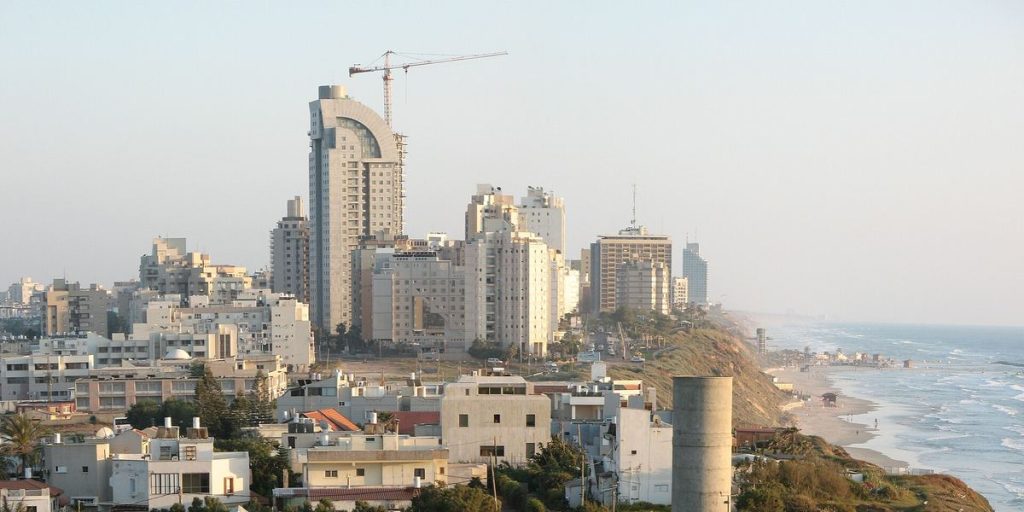
Without a tsav yerusha, no heir can unilaterally authorize major renovations. Costs are shared according to each person’s undivided share, but the initial payment often falls to the person managing the property. Without a written agreement specifying who advances the funds and who reimburses them, the construction work halts the rental and generates disputes. The solution lies in a prior technical inspection and a signed financial protocol before the first hammer blow.
The legal status of the apartment before division: the tsav yerusha
Holding the keys to the apartment does not grant the right to decide on renovations alone. In Israel, property does not transfer automatically upon death. Until the family court issues the succession order, the property remains in a legal gray area. The court rules on the validity of the tzava’a (will) or, failing that, applies the law of succession. This process can take several months.
During this period, any unilateral intervention on the undivided property is risky. If an heir repairs the mazgan or repaints without the consent of the others, they use their own funds. They may later claim reimbursement, but the other heirs can contest the necessity or the amount of the work. Physical possession is not legal authority to manage.
The main risk is the depreciation of the property or the incurrence of unauthorized debts. If the property is rented, the lessor must be legitimate to act. Without a tsav yerusha, the signing of a construction contract is null and void for the other co-owners. It is therefore necessary to distinguish between conservatory acts (repairing an active leak to prevent damage) and acts of current administration. The former are tolerated; the latter require a mandate.
We recommend waiting for the order before any heavy investment. In the meantime, heirs can act by proxy if the deceased had appointed an executor. Otherwise, every decision must be consensual. A written agreement, even a simple one, signed by all heirs, protects the person advancing the funds. Without this document, reimbursement becomes a commercial negotiation rather than a legal obligation. Legal security takes precedence over the speed of construction.
Technical inspection: the bedek bayit as a factual basis
Before debating amounts, it is necessary to establish the actual state of the building. In the United States, one speaks of standard inspections. In Israel, nothing similar exists for sales or rentals between private parties. The bedek bayit is an inspection initiated by the parties. It is not an administrative formality, but a tool of proof.
We engage an independent professional, often a civil engineer or a licensed contractor. They inspect the structure, the electrical network, the plumbing, and the safety installations. The report they draft lists the pathologies: infiltrations, corrosion, insulation defects. This document transforms subjective opinions (« the apartment is dilapidated ») into objective facts (« the insulation of the doud shemesh is defective, estimated risk of leak »).
This report serves as the basis for financial negotiation. It allows separating urgent works (safety, waterproofing) from cosmetic works (paint, tiling). Heirs can thus decide to finance emergencies immediately and defer the rest. The cost of the inspection is low compared to the total budget of the works. It avoids overruns due to erroneous assessments.
The bedek bayit must be carried out by a neutral third party. If an heir proposes their own contractor, the others can contest the objectivity. The report must detail the necessary materials and execution deadlines. It must also indicate if the works affect the rental value. For example, bringing the mamad up to code is an investment that secures the property and can justify a rent increase. Without this inspection, each heir advances their own figures. Disagreement on the assessment then prevents any agreement on financing.
Financing the works: between common accounts and private debts
The inherited apartment is in indivision. Each heir owns a fraction of the property, but no one owns the entire apartment. There is no automatic « common account. » The property’s cash flow, if it exists, must be managed by agreement. If an heir pays for the works alone, they create a claim against the others.
To formalize this advance, we use a shtar ‘hov. This promissory note is signed by the beneficiary heirs. It acknowledges the debt to the person who advanced the funds. It is not an insurance, but an instrument of proof of the claim. It specifies the amount, the date, and the conditions of reimbursement. In case of a future sale, this debt will be deducted from the sale price before the division.
Immediate payment by a single heir is frequent. It avoids the paralysis of the construction site. But it creates an imbalance. The heir who pays becomes a creditor. The others remain debtors. This mechanism must be anticipated. If the heir managing the property is also the most solvent, they may accept to advance the funds. But they must require the signature of the shtar ‘hov before signing the contract with the contractor.
Deferred reimbursement upon division is the rule. Heirs do not reimburse immediately, as they have not yet received their share of the succession. The debt remains recorded in the liabilities of the indivision. During liquidation, the creditor is paid with priority. This method avoids money transfers between heirs during the waiting period. It secures the one who invests. Without a shtar ‘hov, the claim rests on memory or good faith, which is insufficient for significant sums.
Works related to the rental: impact on rent and charges
The distinction between tenant repairs and major repairs is crucial. In Israel, the lessor is responsible for the structure and fixed equipment. The tenant assumes normal wear and tear and minor defects. If the works concern the roof or main plumbing, the lessor (the indivision) pays. If it is paint or bathroom seals, the cost can be shared or borne by the tenant according to the contract.
After a major renovation, the rent can be adjusted. Indexation is done on the cost of living index, but a significant improvement of the property justifies an upward revision. It is necessary to check the clauses of the lease. If the lease is at a fixed rent, an increase is only possible with the tenant’s agreement or at the expiration of the contract. The works must be documented to justify this request.
During the construction, charges continue to run. The vaad bayit (condo fees) and the arnona (municipal tax) must be paid. Who advances them? If the apartment is rented, the tenant pays the arnona if the contract provides for it. The vaad bayit is the responsibility of the owner. During the works, the indivision must continue to pay these charges. If an heir stops payment to protest against the financing of the works, they endanger the management of the property.
We treat charges as a current debt. They are charged to the account of the indivision. If an heir advances them, they add the amount to the shtar ‘hov. The continuity of payment is essential to avoid penalties from the municipality or the condo association. A dispute between heirs must never lead to unpaid charges. It is a major operational risk.
The role of the mamad and safety equipment in quotes
The mamad is a secure room mandatory in most buildings in Israel. Its condition is a major safety criterion. Renovation quotes must include the verification of the reinforced door, the alarm system, and the acoustic and thermal insulation of this room. Bringing the mamad up to code can be expensive, but it is indispensable to rent the property. A defective mamad discourages serious tenants and can invalidate certain insurances.
The doud shemesh (solar water heater) and the mazgan (air conditioner) are fixed equipment. The owner is responsible for their proper functioning. An inspection must verify the state of the doud shemesh pipes and the mazgan filters. If the doud shemesh leaks, the damage can extend to the apartment below. The repair is then urgent and costly.
Before launching surface works, it is necessary to check waterproofing. Painting a damp wall or laying tile on a cracked slab is a mistake. The inspection must detect these problems. The cost of correcting the causes (leak, infiltration) is lower than the cost of reconstructing the finishes. We insist on the verification of the insulation of the exterior walls. In Israel, thermal insulation is an investment that reduces the electricity bill.
Quotes must detail each item. Labor, materials, demolition costs. The mamad and technical equipment are often underestimated in initial budgets. It is necessary to provide a margin for these elements. Their compliance is non-negotiable. An apartment with a compliant mamad and a functional doud shemesh rents more easily and at a better price. It is a concrete commercial argument.
Written agreements and arbitration: avoiding the blocking of works
Disagreement between heirs is the number one cause of property immobilization. To avoid this, an agreement protocol must be signed before the start of the works. This document specifies who decides, who pays, and who supervises. It defines the maximum budget and the criteria for accepting quotes.
In case of persistent disagreement, a majority voting mechanism can be provided. If two heirs out of three agree, the decision is made. The dissenter is in the minority but cannot block. This mechanism must be written. Without it, each heir can oppose their veto. The court can appoint a temporary manager if the indivision is paralyzed. This manager has the power to sign contracts and engage funds. It is an extreme, costly, and slow solution.
We recommend designating an heir as de facto manager. They receive a written mandate from the others. This mandate specifies their powers: sign contracts up to a certain amount, engage common funds. The amount beyond which they must consult the others must be defined. This delegation of power avoids constant back-and-forth.
If the dispute concerns the nature of the works (urgent or not), the opinion of the bedek bayit professional is authoritative. The court can rely on this report to rule. Arbitration is costly. Prevention by a good protocol is more economical. The blocking of works entails a loss of rents. Each month of dispute costs money. The written agreement is the most effective tool to maintain the liquidity of the property.
Tax optimization: the deductibility of renovation costs
Renovation costs are not all deductible in the same way. For a rental property, current repairs are immediately deductible from taxable income. Major improvement works, which increase the value of the property, are capitalized. They are added to the initial acquisition cost.
Upon resale, the mas shevach (capital gains tax) is calculated on the difference between the sale price and the acquisition cost. If the works have been capitalized, the acquisition cost is increased. The taxable capital gain is therefore reduced. It is a significant tax advantage. It is necessary to keep all invoices and inspection reports. The reshut ha-misim (tax authority) may request justification of the amounts.
The distinction between repair and improvement is technical. Replacing identical tile is a repair. Redoing the kitchen with high-end materials is an improvement. The technical inspection helps to qualify the works. Invoices must be detailed. A simple « renovation works » is not enough.
The impact on the mas shevach is direct. The higher the acquisition cost, the lower the tax upon resale. It is an argument to invest in quality works. But it is necessary to document rigorously. Heirs must agree on the tax qualification of the works. If an heir pays alone, they must be able to justify their deduction. The shtar ‘hov helps to prove the actual expense. Taxation is a technical aspect, but it influences the investment decision.
Post-works management: keys, tenants, and emergencies
Once the works are finished, the operational question arises: who manages the property on a daily basis? If the apartment is rented, it is necessary to designate a single point of contact for the tenant. Heirs cannot all be present. A manager must receive the keys and the powers of signature.
Who finds the tenant? If the property is vacant, the search for a tenant is a heavy task. It must be entrusted to a professional or a designated heir. The lease must be signed in the name of the indivision. In case of emergency, such as a pipe bursting on a Friday evening, there must be a clear procedure. The tenant cannot call three different heirs. They must have an emergency number that answers.
If no heir can manage the property, the solution is to entrust the management to a specialized company. We offer our property management to take charge of these aspects. We find the tenant, we manage the leases, we intervene in case of emergency. Heirs receive the rents and the reports. They no longer manage the technical details.
The choice of manager is crucial. They must be neutral and competent. If they are an heir, they must be paid fairly for their work. If they are a third party, their contract must specify their powers and limits. Property management is a full-time activity. Entrusting it to a professional avoids conflicts between heirs on operational details. It is the best way to protect the value of the property and the relationship with the tenant.
To go further: invest in Israel, Vaad bayit damages your door: who pays in Israel?, Arnona for an inherited apartment before division: who pays?.
In case of persistent disagreement on the financing of the works, the only legal way to force the hand of the other heirs is to request the family court to appoint a special manager. This manager has the power to sign construction contracts and engage common funds, which avoids the total paralysis of property management.

Gestion locative en Israël pour propriétaires francophones. Bureaux à Netanya, 26 Dizengoff. Une question sur votre bien ? Écrivez-nous.