Replacing Old Windows: Can a Tenant Request a Rent Reduction?
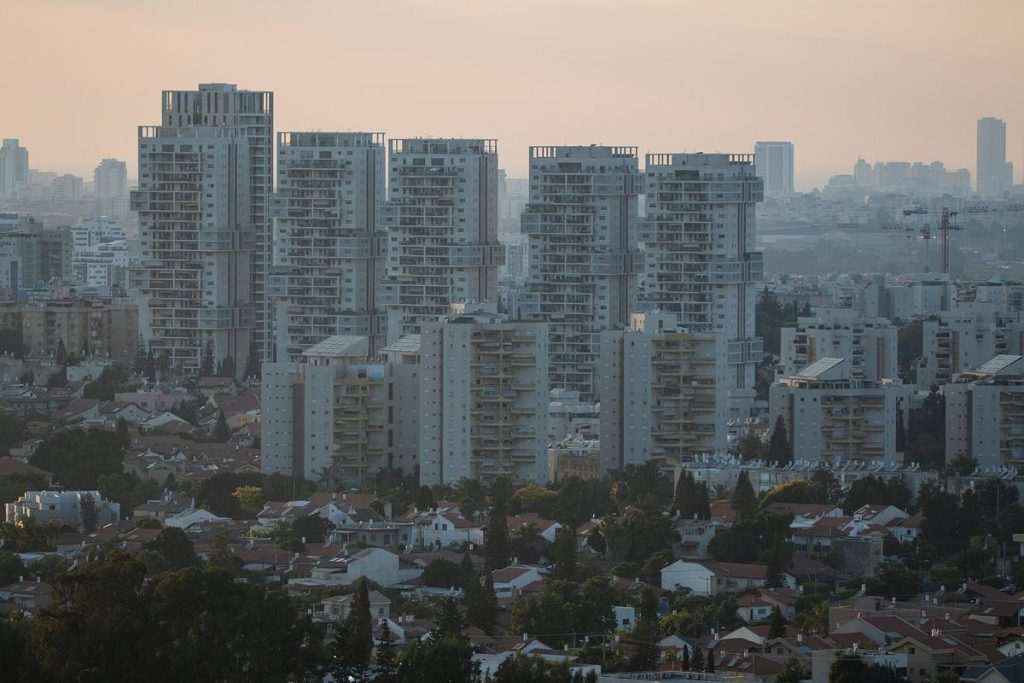
Yes, the owner can replace windows at their own expense, but this decision does not automatically justify a rent reduction. In Israel, the lease is a strict contract: any modification to the property condition or compensation must be formalized in writing. Without a signed addendum, the tenant retains their initial rights, and the owner bears the costs alone. Therefore, a request for a reduction should be treated as a commercial negotiation, not as a legal obligation tied to the work.
The legal framework for usage modifications in Israel
Israeli law clearly distinguishes between routine maintenance, which is the tenant’s responsibility, and structural modifications. Replacing old windows with double glazing constitutes a substantial improvement to the use of the apartment. It is not a simple repair. In the US, we often discuss major renovations imposed by the landlord or landlord obligations, but here, the logic is different. The landlord has no legal obligation to improve the thermal or acoustic comfort of the property, unless the lease specifies otherwise.
The fundamental rule is restoration to the initial state. At the end of the lease, the tenant must return the premises in their original condition, minus normal wear and tear. If you install double glazing, you modify the initial state. Consequently, without a written agreement specifying that these windows remain in place, the tenant could theoretically demand their removal to restore the premises, which would be economically absurd. This is why written consent is the only guarantee of security.
In Israel, there is no catalog of mandatory works for the landlord, unlike in some European jurisdictions. Legal security relies entirely on the clarity of the contract. If you agree to finance the work, you must clearly define whether it is a long-term investment or a temporary concession. The tenant cannot impose a rent reduction on the pretext that you have improved the property; they must prove that this improvement degrades the value of their current use, which is rarely the case. Modifying the structure or usage requires heightened vigilance in drafting clauses.
Written consent: the fundamental legal act
A verbal agreement has no legal value in case of dispute. To secure the transaction, you must draft a lease addendum. This document must specify the exact nature of the work: replacement of windows with double glazing, model, color, and estimated cost. It must also define the financial counterpart. Two options are available to you: the tenant pays a monthly rent difference, or you absorb the costs in exchange for a longer commitment period.
Signature is crucial. It must be affixed to a paper or electronic document compliant with Israeli law. A simple WhatsApp message is not sufficient. The addendum must be signed by you, the tenant, and ideally by the arev (the guarantor) if a shtar ‘hov is put in place. This document must clearly state that the work is done at the owner’s request and not the tenant’s, to avoid any confusion regarding responsibility for future damages.
If you decide to reduce the rent, the addendum must set the exact amount of this reduction and its duration. Is it temporary, to amortize the work, or permanent? This precision avoids misunderstandings. In Israel, the landlord-tenant relationship is governed by the contract, not by implicit customs. Without writing, you are exposed to future claims. We recommend having this addendum validated by a legal professional to ensure it complies with local rules.
Impact on arnona and municipal taxes
The arnona is the municipal housing tax, paid directly to the city hall. It is calculated based on the cadastral value of the building and its location. In Ashdod, as in other Israeli cities, the city hall may re-evaluate the value of a property if major works modify its comfort or structure. Double glazing, by improving thermal and acoustic insulation, may be considered a significant improvement.
You must check with the Ashdod city hall if this type of replacement impacts the cadastral value. The risk is real: if the property value increases, the arnona will increase proportionally. This tax is the owner’s responsibility, not the tenant’s, unless the lease states otherwise. If you agree to reduce the rent for the tenant, you must also plan for who bears the potential tax increase.
It is imperative to include a specific clause in the addendum regarding taxes. If the arnona increases due to the work, the owner must assume this increase. Do not leave this question pending. An unexpected increase in municipal tax can ruin the profitability of the operation. In Israel, city halls are strict about the revaluation of real estate. Anticipate this risk by consulting the local tax service before starting the work.
Managing bedek bayit and building compliance
Before starting the work, hire a professional for a building inspection, or bedek bayit. This is not a legal obligation like certain European inspections, but it is an essential practice to verify that the installation does not compromise the facade structure. Windows are anchored in the masonry; poor fixation can cause water infiltration or cracks.
Also verify compatibility with the vaad bayit, the building’s co-ownership charges. Many buildings in Ashdod have strict aesthetic rules. The color of the frames, the type of glazing, or the presence of roller shutters may be regulated. If the vaad bayit refuses the new models for architectural harmony reasons, you will have to undo the work at your own expense.
The risk of refusal by the co-ownership is real. Never start work without obtaining the written approval of the vaad bayit. This document proves that you respected the building’s rules. In case of a future dispute with the tenant or a neighbor, this agreement protects you. The professional inspection also certifies that the windows meet local safety and insulation standards.
The issue of shtar ‘hov and financial guarantee
If you advance the cost of the work, you can require a shtar ‘hov from the tenant. This document is a debt acknowledgment signed by the tenant and their guarantor. It specifies that the tenant must reimburse part or all of the work cost if the lease ends before a certain deadline. Note: the shtar ‘hov is not insurance. It is a legal instrument for reimbursement.
The distinction is crucial. Insurance covers a risk; the shtar ‘hov covers an investment. If the tenant leaves the apartment before the end of the work amortization period, they must reimburse the remaining balance. The reimbursement conditions must be precise: amount, schedule, and penalties for late payment.
Also specify the conditions in case of early departure. If the tenant terminates the lease before the end of the planned period, the shtar ‘hov becomes immediately due. This mechanism protects your investment. Without this document, you risk losing the work money if the tenant leaves at the first notice. We recommend having this shtar ‘hov validated by a lawyer to ensure its enforceability. For more details on managing guarantees, see our article on Tenant deposit and damages: reimbursement in Israel.
The specific case of Ashdod: climate and local requirements
Ashdod is a coastal city in southern Israel. The climate is hot and humid, with salty sea winds. Double glazing must be adapted to these conditions. Thermal insulation is less critical than in the north, but acoustic insulation is more important, especially if the apartment is close to the road or the beach. Materials must resist salt corrosion.
The cost of materials and labor in the South region often differs from that of Tel Aviv or Jerusalem. There are fewer artisans, which can increase delays and prices. Check local quotes before committing. The tenant’s request for a rent reduction must be proportional to the actual added value of the comfort. If the improvement is marginal, the reduction should be too.
Be cautious with the negotiation. The tenant may demand a significant reduction on the pretext that the windows are new. In reality, the added value is limited. Objectively evaluate the comfort improvement. If the tenant’s request is disproportionate, refuse. You are not obligated to reduce the rent. The agreement must reflect the reality of the local market in Ashdod.
Fate of the work in case of sale or end of lease
At the end of the lease, do the double glazing windows remain in the apartment? The answer depends on the addendum. If you planned for them to stay, they become part of the building. If you planned for them to be removed, the tenant must take them out. Most of the time, it is simpler to leave them in place.
The impact on resale value is positive. Israeli buyers appreciate comfort improvements, especially in coastal areas. Double glazing is an asset for the sale. However, if you sell the apartment, does the tenant have to pay the residual value of the windows? No, if the windows are integrated into the building. They are part of the property.
If you sell, the sale price includes the value of the windows. The tenant does not have to pay a supplement. However, if you signed a shtar ‘hov for partial reimbursement, this amount must be settled before the sale. The new buyer takes over the current lease, but not the tenant’s personal debts to the former owner. Clarify this point in the addendum. To manage this type of transition, our property management service can assist you.
| Element | Owner’s Role | Tenant’s Role | Required Document |
|---|---|---|---|
| Work | Finances and validates the project | Accepts the intervention | Lease addendum |
| Taxes (Arnona) | Pays any potential increase | No role | Tax clause in the addendum |
| Compliance | Checks the vaad bayit | Respects the rules | Vaad bayit agreement |
| Reimbursement | Issues the shtar ‘hov | Signs the debt | Shtar ‘hov |
Verifications before signature
Before signing the addendum, verify the current state of the windows. Have a professional document the existing wear and tear. This record avoids future disputes regarding responsibility for damages. If the windows were already damaged, the tenant cannot demand reimbursement for their replacement.
Also check the status of the water meter. If the work involves modifications near the plumbing, ensure the meter is compliant. In Ashdod, notices for changing the meter are strict. See our article on Changing the water meter: non-compliant notice in Ashdod to avoid cutoffs.
Finally, verify the tenant’s solvency. A shtar ‘hov has no value if the tenant cannot pay. Request bank guarantees if necessary. Do not rely on word alone. In Israel, written proof and financial guarantees are the only pillars of legal security.
Never sign a verbal agreement for work. Draft an addendum specifying the nature of the windows, the cost, the financial counterpart, and the fate of the work in case of lease termination. Have this document validated by a local legal professional. This is the only way to protect your investment in Ashdod.

Gestion locative en Israël pour propriétaires francophones. Bureaux à Netanya, 26 Dizengoff. Une question sur votre bien ? Écrivez-nous.