Short Circuit in an Occupied Apartment in Israel, Owner Absent
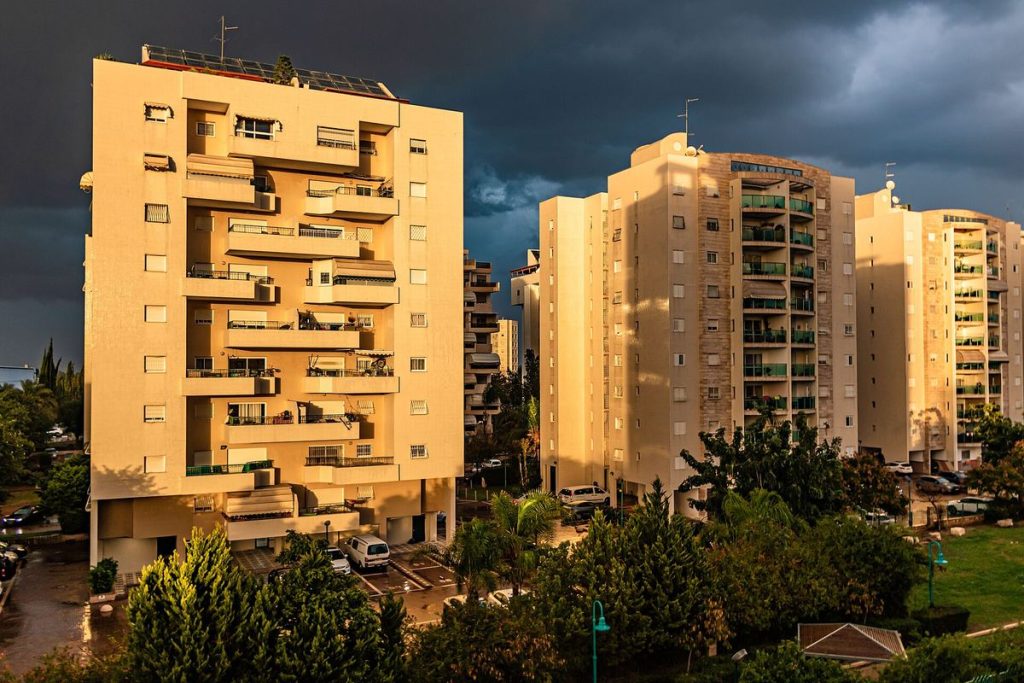
In the event of a major short circuit in an occupied apartment, the utility provider cuts the power remotely without notifying the owner. Access to the unit is granted through the vaad bayit or emergency services if the tenant is unreachable. Financial responsibility for equipment lies primarily with the tenant’s insurance, while the owner covers the structure. The shtar ’hov does not cover these damages, but rather unpaid rent.
Emergency shutoff and notification by the provider
The electricity provider, whether the Israel Electric Corporation (IEC) or Cityco, has the capability to cut power remotely. In cases of immediate risk to public safety, this action is automatic and does not require the owner’s consent. Unlike in the United States, where scheduled outages often involve advance notice, safety takes precedence over communication here. The absent owner is not informed in real time.
Official notification arrives in the form of a reconnection invoice or a warning of permanent suspension. The tenant usually receives this communication, as they are the account holder for consumption. The owner is not the primary recipient of safety alerts. The vaad bayit, or building management committee, plays a crucial role in the initial phase. If they detect a danger (burning smell, visible sparks from the hallway), they are authorized to contact emergency services. If the tenant is unreachable, the vaad bayit can authorize the opening of the door for firefighters or utility technicians to secure the premises.
The reconnection invoice is sent to the contract holder, which is the tenant. They must pay it. If the tenant refuses or leaves without paying, the provider can permanently suspend the power. The owner cannot intervene directly with the provider to pay this specific invoice, as they are not the service client. They must act through the tenant. This distinction is fundamental: the owner pays the arnona (municipal tax), but the tenant pays for electricity. In the event of damage, the separation of responsibilities is clear. The owner does not pay for meter reactivation.
Access to the apartment and right of entry
Physical access is the first obstacle for the owner residing abroad. The mamad, the secure storage room in the apartment, poses a specific problem. If the short circuit occurs in the living room or kitchen, the mamad door remains locked from the inside. Emergency services cannot force this door without a judicial order or proof of immediate vital danger. If the tenant is absent and the mamad is the only secure access point, the situation becomes complicated.
In Israel, no state agency inspects damages before repair. There is no mandatory technical inspection imposed by law. The owner must hire a licensed electrician to assess the damage. This is a private initiative. The bedek bayit (building inspection) applies here. This term refers to an inspection by a professional. After a short circuit, the bedek bayit serves to evaluate the state of the main wiring and electrical panels. It differs from a simple repair by its comprehensive audit nature. The electrician drafts a report specifying the causes and damages.
Who pays for this inspection? It is the owner, as it involves verifying the condition of their property. The tenant does not pay for the inspection of the structure. If the bedek bayit reveals that the wiring was outdated before the incident, the owner’s liability increases. If it reveals that the incident was caused by a tenant’s equipment (a defective appliance), liability falls on the tenant. The electrician’s report is the key document for any subsequent claim. Without this document, it is difficult to prove the cause of the incident.
Financial liability and shtar ’hov
The shtar ’hov is a promissory note signed by the tenant and their arev (guarantor) at the signing of the lease. It does not cover material damage. It covers only unpaid rent and tenant charges. An owner who believes the shtar ’hov will reimburse them for electrical panel repairs is mistaken. This document is a rent collection tool, not damage insurance.
To claim reimbursement for repairs, the owner must rely on the lease agreement. The lease must state that the tenant is responsible for damages caused by their negligence or the use of their appliances. If the short circuit is due to a mazgan (air conditioner) or a doud shemesh (solar water heater) belonging to the tenant or used improperly, the tenant is liable. The arev may be required to pay if the lease’s liability clause explicitly provides for it. You must check the contract wording.
The cost allocation is as follows: the electricity provider never pays for material damage caused by the client. The tenant pays for equipment they damaged. The owner pays for the building structure and fixed installations they provided. If the main wiring is damaged, it is often the owner’s responsibility, unless tenant negligence is proven. The shtar ’hov is of no use here. The owner must send a formal demand to the tenant, accompanied by the electrician’s estimate, to require reimbursement.
Insurance and damage assessment
Insurance is a mandatory step. In Israel, the owner’s insurance generally covers the building structure. The tenant’s insurance covers personal property and sometimes basic electrical equipment. It is crucial to verify the policies. The owner must have damages assessed by a licensed electrician. This assessment must be detailed. It must list each damaged item, its replacement cost, and the presumed cause.
There is no state-imposed “usage inspection” for insurance purposes. The technical file is what matters. The owner sends this file to the tenant’s insurance company. If the incident is covered by the tenant’s insurance, the company will pay for repairs. If the owner has “all-risk” insurance including electrical damage, they can file the claim themselves. However, they will often have to recover the deductible from the tenant.
Managing invoices from abroad is simple. The owner emails the electrician’s invoices to the tenant’s insurance company. They attach the assessment report. They do not need to be physically present. However, they should ensure the electrician works directly with the insurer if possible. This speeds up processing. The owner must keep a copy of all exchanges. In case of dispute, these documents prove the owner’s good faith and rapid reaction.
arnona tax and energy billing
During repairs, the apartment is uninhabitable. Does the arnona, the municipal residence tax, continue to be due? Yes, generally. The arnona is linked to property ownership, not occupancy. The owner remains the liable party. They can request a reduction if the apartment is totally unusable, but this is a lengthy administrative procedure with the city hall. Most of the time, the tax continues.
Electricity billing by IEC or Cityco poses another problem. The meter remains active during repairs if the power is not permanently cut. Residual consumption from backup equipment or standby appliances is billed. The tenant pays this consumption. If the power is cut, billing stops. The owner must check the tenant’s invoice after repairs. If it is abnormally high, they can help the tenant dispute it with the provider. The dispute is handled via email to the provider’s customer service, with a copy of the invoice and the electrician’s report.
The owner does not have to pay this invoice. They must ensure the tenant does. If the tenant does not pay, the provider can permanently cut the power. The owner must then intervene to prevent the situation from deteriorating. They can pay the invoice on behalf of the tenant and then claim reimbursement. This is a last-resort solution. The goal is to maintain the relationship with the provider and avoid a permanent suspension that would complicate re-letting.
tabou registry and owner liability
The tabou (land registry) does not change after an incident. No change in ownership is necessary. But the tabou documents the state of the property. For future transactions, it is useful to have a history of repairs. The owner must archive the bedek bayit report and repair invoices. These documents prove that the property was maintained.
Under Israeli law, the owner is responsible for the safety of fixed installations. A short circuit caused by outdated wiring is their responsibility. This is a strict liability. To avoid this liability, the owner must prove that the installations were compliant before the lease. The preventive bedek bayit is the ideal tool. A complete electrical inspection must be performed before handing over the keys. The report must certify that the wiring is in good condition. This document protects the owner in case of an incident.
If the incident occurs and the owner has no preventive report, they are presumed liable. The tenant can invoke the owner’s negligence. The tabou does not reflect this liability, but private documents (inspection reports) are crucial in court. The owner must therefore build a technical file for their property. They must update it after each repair. This demonstrates the owner’s diligence and limits their legal exposure.
Remote coordination and the role of the vaad bayit
The vaad bayit is your on-site contact. They may incur costs for access to the premises or initial securing. The owner must authorize these costs in writing. The vaad bayit cannot engage in major repair works without the owner’s consent. They can call an electrician for an emergency, but not for renovation.
Coordination with contractors is done via email and phone. The owner gives instructions to the electrician through the vaad bayit or directly. They must verify the contractor’s qualifications. In Israel, electricians must be licensed. The owner requests a copy of the license. They should not accept work performed by an unlicensed individual.
Once the deed of ownership is signed, daily management becomes a logistical issue. Who receives the keys? Who finds the tenant when they are unreachable? Who answers when a pipe bursts on a Friday evening? These questions arise with every incident. Physical presence is not an option. The solution is delegation. We manage these situations for our clients. Our property management ensures coordination with the vaad bayit, contractors, and insurers. We handle electrical incidents in direct liaison with providers and insurance companies. We prevent the owner from managing emergencies remotely.
Prevention and post-incident follow-up
After the incident, the owner must update their file. They add the electrician’s report, invoices, and insurance exchanges. This file is vital for re-letting. A new buyer or tenant will want to know if the apartment has suffered incidents. Transparency is required. The owner must inform the future tenant of the repairs made.
The post-incident bedek bayit must be archived. It serves as proof of compliance after repair. The owner must perform a complete inspection once the works are finished. This guarantees that the wiring is secure. They must keep this report. They must also verify that the tenant’s insurance has properly compensated the damages. If compensation is partial, the owner must follow up with the company.
Prevention remains the best protection. The owner must have their property inspected regularly. They must check the condition of the doud shemesh and the mazgan. These equipment items are frequent sources of incidents. The vaad bayit can help coordinate these inspections. The owner must stay in contact with their manager. They must report any anomaly. Reactivity is key. A minor incident left untreated becomes a major one. The owner must avoid negligence. They must act quickly. Distance is not an excuse. Professional management is the only answer. Investing in Israel implies understanding these mechanisms. Knowledge of local law is essential. The owner must educate themselves. They must know who does what. They must know where to find information. They must know how to react. This is the basis of serene management.
In case of a short circuit, do not panic. Contact the vaad bayit and your manager immediately. Do not attempt to repair it yourself. Require a report from a licensed electrician. Verify your insurance. The shtar ’hov does not cover damages. Act quickly to limit the damage. Documentation is your best legal protection.

Gestion locative en Israël pour propriétaires francophones. Bureaux à Netanya, 26 Dizengoff. Une question sur votre bien ? Écrivez-nous.