Technical audit of the penthouse before purchase in Israel
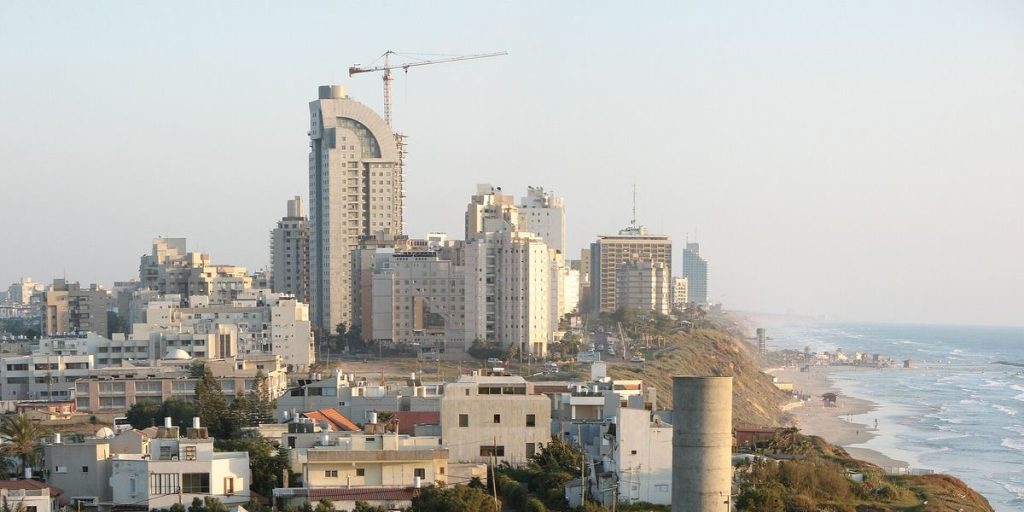
In Israel, there is no mandatory pre-sale inspection, unlike in the United States. The buyer of a penthouse must therefore hire a structural engineer to inspect the roof, foundations, and systems. This report is the only objective basis for negotiating the price or demanding repairs before signing the deed. Without this independent verification, you are buying based on the seller’s statements, which exposes your investment to unpredictable repair costs.
The absence of pre-sale inspection in Israel
In the United States, the seller is often required to provide a home inspection report and other technical disclosures. In Israel, this obligation does not exist. Israeli law does not require the seller to provide a technical condition report dated within the last three months. The risk of hidden defects rests entirely on the buyer’s due diligence. If you do not have the property inspected, you are considered to have accepted its apparent condition.
For a penthouse, this lack of legal protection is critical. The structure is exposed to the elements without upper protection. The seller can sell a property with a cracked roof without having to disclose it, unless they are aware of the defect and intentionally conceal it, which is difficult to prove. The difference with the US is total: here, the technical initiative is your responsibility.
We recommend engaging a licensed civil engineer from the viewing phase. This professional is not a simple electrician or plumber. They analyze the load-bearing structure. Their role is to detect pathologies that the untrained eye does not see: microcracks, flatness issues, and old leaks. This report is not a legal inspection, but it serves as evidence in case of post-purchase disputes. It allows you to document the condition of the property at the time of the transaction.
The seller is not obligated to fund this inspection. It is your investment to secure yours. Refusing to pay for a technical audit is accepting a major financial risk. The cost of the engineer is negligible compared to the potential cost of a roof overhaul or the correction of a structural issue on the top floor. This approach is part of a prudent logic specific to the Israeli market, where administrative transparency exists, but technical transparency relies on private initiative.
Waterproofing and load-bearing structure of the top floor
The penthouse presents a specific vulnerability: it is the last line of defense against the weather. The building’s roof is a high-load zone. In Israel, roofs are often used for technical installations, such as outdoor air conditioning units or antennas. These loads modify the distribution of forces on the slab.
The engineer must check the condition of the common roof’s waterproofing. A leak may only manifest during heavy winter rains. Traces can be old and misleading. You must inspect the expansion joints, pipe penetration points, and gutters. If the roof is in poor condition, the repair is the responsibility of the vaad bayit, the condominium association. However, if the leak has already damaged the structure of your apartment, liability may be shared or disputed.
The load-bearing structure of the top floor must be examined rigorously. Beams and slabs are sensitive to vibrations, especially if the building is old or if heavy work has been done nearby. The engineer looks for through-cracks, which indicate a structural problem, and not superficial hairline cracks. They check the alignment of load-bearing walls and the solidity of window supports.
The link with the vaad bayit is crucial. Condominium fees cover the maintenance of common areas, including the roof. But if the top floor has been modified to increase the load, or if a private installation has damaged the roof, liability may be individual. You must check the minutes of the condominium association meetings. Were there votes for roof work? Have reserves been set aside? The absence of sufficient reserves for an aging roof is a major warning sign. You may be required to fund heavy work shortly after the purchase.
Impact of installations: doud shemesh and mazgan
Technical installations are frequent sources of structural issues. The doud shemesh, solar water heater, is ubiquitous in Israel. Its supports are fixed to the facade or roof. Over time, the fixings can loosen, creating points of infiltration. The engineer must check the condition of the supports, the insulation of the pipes, and the absence of corrosion. A doud shemesh leak can ruin the thermal insulation of the apartment and cause mold.
The mazgan, air conditioning system, poses a different problem. Outdoor units are often installed on balconies or terraces. Their weight must be considered in the structural design. If the building is old, the balcony slab may not support the cumulative weight of multiple units. Furthermore, condensation pipes must be properly insulated. Poor insulation causes condensation on the walls, which can degrade the plaster and insulation.
The inspection must include a check of thermal and acoustic insulation. In Israel, insulation standards have evolved. Buildings constructed before the 2000s may have insufficient insulation. This directly impacts energy consumption. The engineer can assess overall performance, even if no energy certification exists. They check for thermal bridges, often located at the junctions between the structure and the windows.
These installations are not decorative elements. They are integrated into the structure. Their age or poor installation can lead to costly repairs. For example, replacing a poorly installed mazgan system may require drilling into the structure, which must be done with caution to avoid weakening the slab. The technical audit allows you to identify these risks before the purchase. It also allows you to negotiate the replacement of these installations if they are at the end of their life. The cost of a new doud shemesh or a new mazgan is significant and must be considered in your acquisition budget.
Safety: mamad and mamak
Safety is a fundamental aspect of housing in Israel. The mamad is a secure room, designed to withstand projectile impacts and explosions. In a penthouse, the presence of a mamad is often mandatory, unless the building has a mamak, a common protected space on the floor.
The audit must verify the compliance of the mamad. The door must be armored and lockable from the inside. The walls must be made of high-density reinforced concrete. Access to the mamad must be free and unobstructed. If the penthouse does not have a mamad, you must check the presence and condition of the mamak. This space must be accessible from each apartment on the floor.
The compliance of emergency exits is also a strict control point. Stairs and fire doors must be in good condition. In Israel, safety is often integrated into the initial architectural design. But over time, equipment can degrade. A mamad door that no longer closes correctly is a major defect.
Difference with the US: in the US, safety features are often added after the fact. In Israel, they are a design element. But their age must be noted. We emphasize the verification of the mamad. It is an important negotiation point. If the mamad is non-compliant, the work to bring it up to code can be costly. It is essential to check this point before the purchase. To learn more about this topic, see our article on Completion certificate: checking the mamad before purchase. Safety is not negotiable, but its condition is.
Legal compliance: tabou and building permit
The technical audit is not enough. It must be cross-referenced with legal verification. The tabou, land registry, is the central document. It indicates ownership, mortgages, and easements. But it does not always reflect the actual condition of the property. You must check if structural modifications have been declared.
In Israel, any modification to the structure, including the addition of a balcony or the modification of windows, requires a building permit. If these modifications have not been authorized, the property is non-compliant. This can lead to penalties from the municipality and difficulties in reselling. The engineer must compare the current state of the property with the plans approved by the planning office.
Verifying the building permit is essential. You must ensure that the penthouse corresponds to the authorized plans. If extensions have been made without a permit, they may be ordered to be demolished. This is a major risk. We recommend having the building permit verified by a specialized lawyer. For more information, see our guide on Mamad: checking the building permit before purchase in Israel.
The cross-reference between the technical inspection and legal verification is indispensable. A technical defect may be linked to an unauthorized modification. For example, a crack in the facade may be due to the addition of a non-compliant terrace. The technical audit reveals the symptom, the legal verification identifies the cause. This dual verification allows you to avoid buying a problematic property.
Cost of the audit and price negotiation
Who pays for the audit? The buyer. It is a security expense. The cost depends on the surface area and complexity of the property. For a penthouse, you should budget significantly. The engineer’s report is a powerful negotiation tool.
If the audit reveals defects, you can demand repairs before signing the deed, or a price reduction. The distinction between minor and major defects is crucial. Minor defects, such as repainting or damaged tiling, are often the buyer’s responsibility. Major defects, such as a roof leak or a structural crack, must be corrected by the seller or deducted from the price.
The use of the report in negotiation must be precise. Do not ask for « repairs ». Ask for the correction of a specific defect, with a quote to support it. The engineer can provide an estimate of repair costs. This estimate serves as the basis for negotiation.
The selection of the engineer is important. Choose a professional licensed by the municipality or recognized by insurers. Check their references. A good engineer does not just observe; they analyze and propose solutions. Their report must be detailed and documented with photos. This report is your evidence in case of dispute. It allows you to secure the transaction and protect your investment.
Financial security: arev and shtar ‘hov
The technical audit does not replace financial security. In Israel, the transaction is often secured by a shtar ‘hov, a promissory note signed by the buyer. This document is an acknowledgment of debt. It is not insurance. It guarantees payment to the seller in case of buyer default.
The role of the arev, the guarantor, is also important. In the context of a lease, the arev guarantees the payment of rent. In the context of a purchase, caution is required. Never pay a deposit without having validated the structural condition. The deposit is often non-refundable.
Practical advice: condition the signing of the final contract on the receipt of repair invoices or the final validation by the expert. If the seller refuses to make the repairs, you can cancel the transaction if the deposit is conditioned on technical compliance. This clause must be written in the contract.
Financial security and the technical audit are two distinct but complementary aspects. The technical audit evaluates the property, financial security protects the transaction. Do not neglect one for the other. A technically sound but financially insecure property is a risk. A financially secure but technically defective property is a loss. Both must be managed.
Rental management after purchase: who manages what?
Once the deed is signed, you are the owner. But you are in the United States. Who manages the property? Who receives the keys? Who finds the tenant? Who answers when a pipe bursts on a Friday night?
These questions are concrete. In Israel, rental management is complex. Tenants are protected by law. Rent collection can be slow. Managing vaad bayit fees requires knowledge of local rules. Maintenance of installations, such as the doud shemesh or mazgan, must be ensured continuously.
We propose a solution. We manage the rental of your property. We find the tenant, we verify their guarantees, we sign the contract. We manage the rents, we collect the payments. We respond to technical emergencies. We coordinate repairs with local professionals. We send you a detailed monthly report.
This management is essential for an owner residing abroad. You cannot be on site for every problem. We ensure service continuity. We protect your investment. To learn more about our services, see our rental management. We act as your legal and operational representative in Israel. We manage your property as if it were our own.
The link with the technical audit is direct. A well-managed property is a well-maintained property. Preventive maintenance, based on the findings of the initial audit, allows you to avoid major breakdowns. We use the engineer’s report to plan interventions. This proactive approach protects the value of your property.
Never sign a preliminary sales agreement without having received the technical inspection report. Demand a conditional clause in the contract: the sale is suspended if the audit reveals major uncorrected defects. This clause protects your investment and strengthens your negotiation position. In Israel, technical prudence is your best insurance.
| Element | Verified by the Notary / Lawyer | Verified by the Structural Engineer |
|---|---|---|
| Title of ownership | Yes (Tabou) | No |
| Mortgages | Yes | No |
| Building permit | Yes | No (but compare with actual state) |
| Roof condition | No | Yes |
| Structural cracks | No | Yes |
| Mamad condition | No | Yes |
| Installations (doud shemesh, mazgan) | No | Yes |
| Surface compliance | Partially | Yes (actual measurements) |
- Ask the seller for the plans approved by the planning office.
- Ask for the invoices for roof work from the last five years.
- Ask for the minutes of the condominium association meetings.
- Verify the existence of a mamad or a mamak.
- Inspect the condition of the doud shemesh supports.
- Check the insulation of the mazgan pipes.
- Control the condition of the roof expansion joints.
- Verify the solidity of the mamad doors.
- Plan the inspection with a licensed engineer.
- Perform the complete technical inspection.
- Obtain the detailed report with photos.
- Verify legal compliance (tabou, permit).
- Negotiate the price or repairs based on the report.
- Condition the signing of the contract on the resolution of defects.
- Sign the sales deed.
- Set up rental management.
Buying or selling in Israel is a process that requires technical and legal rigor. The technical audit is the cornerstone of this rigor. It transforms uncertainty into knowledge. It allows you to make an informed decision. Do not wait for the signature to discover the defects. Act before. This is the only way to protect your capital.

Gestion locative en Israël pour propriétaires francophones. Bureaux à Netanya, 26 Dizengoff. Une question sur votre bien ? Écrivez-nous.