Tenant Refuses Access to Private Balcony: Maintenance in Israel
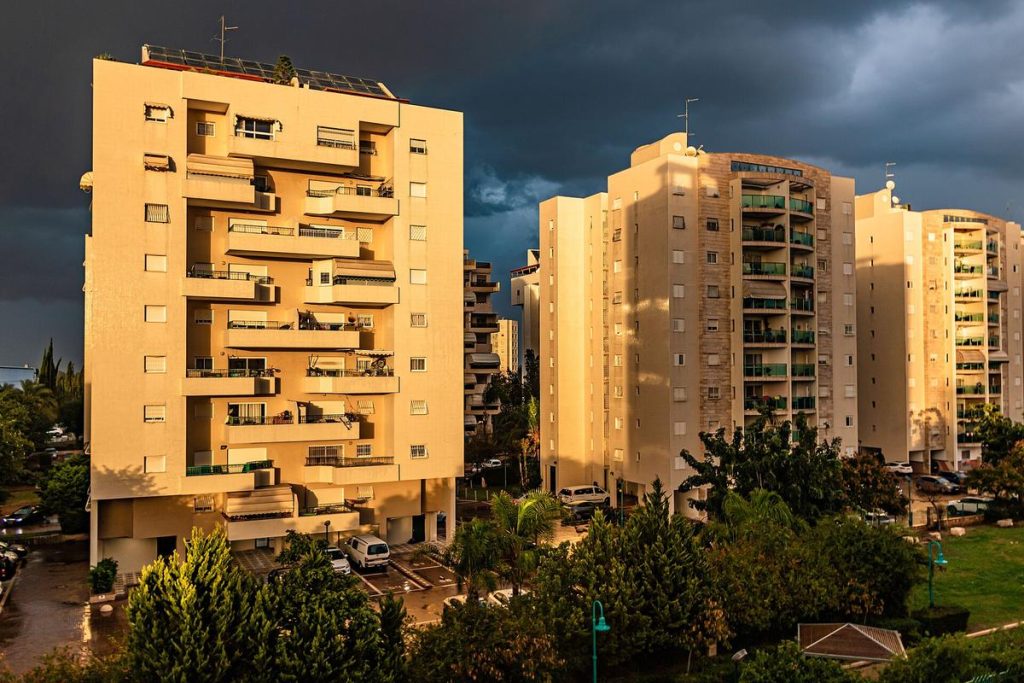
In Israel, a tenant cannot refuse access to a private balcony if maintenance is their contractual responsibility or if the structure threatens the building’s safety. The Israeli lease is a free civil contract: if the access clause is missing, you must issue a formal notice and, failing that, petition the district court for an injunction. We manage these disputes in Netanya by coordinating technical expertise and legal pressure to secure the asset without breaking the law.
The legal status of a private balcony under Israeli law
Confusion between private space and common structure is the main source of blockages. Under Israeli law, a balcony is legally an extension of the apartment. However, its load-bearing structure (beams, anchors) is part of the building’s common property. If corrosion affects these elements, responsibility shifts to the owner and the vaad bayit. Unlike in the US, where technical inspections strictly regulate property condition, the lease here is a standard contract. There is no mandatory catalog of technical clauses. If your lease does not specify who maintains the balcony, case law and the nature of the work prevail. We systematically verify whether the maintenance clause covers the entire private area or only plumbing and electrical systems. This distinction determines whether you can demand sole access or must go through the building association for structural work. A leaking balcony can damage the neighboring apartment, which engages your civil liability. The vaad bayit generally covers strict common areas, such as hallways and facades. It does not cover the paint or tiling of your private balcony. You must therefore assume private maintenance, but you have the right to access it to perform or arrange the work. If the tenant opposes, they endanger the common structure, which changes the legal landscape.
Review the lease and contractual commitments before acting
Before drafting a letter, reread your contract. Most leases signed in Israel are in Hebrew. Look for the clause regarding the maintenance of private areas. If it explicitly mentions balcony maintenance and the tenant’s obligation to allow artisans entry, your position is strong. The shtar ‘hov (promissory note) you hold does not cover this dispute, but it secures rent payment. Do not confuse the two issues. If the tenant refuses access, they do not owe you extra money, but they violate their obligation of peaceful enjoyment and preservation of the leased property. Identify the arev (guarantor). Their presence is a major psychological lever. In Israel, the guarantor is liable for the execution of all tenant obligations, not just rent. If the tenant blocks access, the guarantor can be held responsible for damages caused by balcony deterioration. We often contact the guarantor to inform them of the situation. This encourages the tenant to yield, as they do not want to expose their guarantor to legal action. Also check if the lease contains a termination clause for lack of access. If so, you can mention it in your formal notice. If not, you must rely on the civil code. Contractual precision is your best weapon. A vague lease forces you to prove technical urgency, which is longer and more expensive. We analyze each clause to identify weaknesses before launching the procedure.
The formal notice procedure and legal deadlines
Verbal refusal is not proof. You must formalize the request in writing. Israeli law does not set a standard notice period for access to private areas. This deadline is deduced from the nature of the work and local practice. For routine maintenance, a few days’ notice is sufficient. For a structural emergency, you can request immediate access. Draft the formal notice in Hebrew. Specify the technical subject (repairing a crack, replacing a seal) and the exact time slot. Send this letter by registered mail with proof of delivery and by email. Keep the sending proofs. These documents are essential for any future litigation before the district courts. If the tenant does not respond, you can consider it a refusal. Do not rely on a phone call. The written trace is the only one with legal value. We draft these notices in collaboration with lawyers to ensure legal rigor. The tone must be firm but factual. Avoid vague threats. Clearly indicate the consequences of a new refusal: court petition and request for an injunction. This letter creates psychological pressure. Most tenants yield at this stage, as they fear legal costs. If the tenant accepts, set a specific date. If the dispute persists, move to the next step. The formal notice is a legal act, not a simple courtesy request. It engages your liability in case of subsequent damage. Document every exchange. Tenant silence after a valid formal notice is proof of bad faith.
Have the property condition certified by a professional
If refusal persists, you must objectify the risk. In Israel, there is no « habitability inspection » as in the US. Expertise is purely contractual and at the owner’s initiative. Hire a licensed engineer to perform a bedek bayit (building inspection). The goal is to document structural risks without forcing the door. The expert can assess the balcony’s condition from the outside or from the inside if the tenant partially consents. The expert report must describe potential dangers: steel corrosion, concrete cracks, water infiltration. This report justifies the urgency of intervention to the tenant or the court. It proves that refusal of access endangers the building’s safety. We coordinate this inspection with experts specializing in reinforced concrete and facade structures. The report is a key document. It transforms a commercial disagreement into a public safety issue. If the balcony threatens to collapse, the court will order access almost automatically. The expertise must be impartial and detailed. It must include photos and precise measurements. This document will be attached to your legal petition. It adds weight to your request. Without technical proof, the judge may consider that the tenant has the right to refuse access to preserve their privacy. With an expert report highlighting an imminent risk, the balance tips in your favor. We emphasize the quality of this report. A vague document is useless. It must be irrefutable.
Recourse to the district court
If the formal notice and expertise have not resolved the issue, petition the competent district court. Lease disputes fall under civil jurisdiction, not family court, unless complex primary residence issues are involved. You can request an injunction to act: the judge orders the tenant to allow artisan access under penalty of a fine. This is an expedited procedure possible in Israel if urgency is demonstrated. Attach the expert report and proof of formal notice. Legal fees include the advance on costs and lawyer fees. If the tenant is condemned, they may be ordered to reimburse these fees. Integrate this financial risk into your calculation. The procedure can last several months, but the injunction can be obtained quickly if the urgency is real. We represent owners in this type of proceeding. We know the judges and local practices in Netanya. The goal is to obtain an enforceable decision. If the tenant does not comply with the order, you can request forced execution by bailiffs. This is the last resort. Most cases are settled before judgment, as the tenant understands they will lose. The court also evaluates damages. If balcony deterioration led to extra costs, you can claim them. Israeli justice is pragmatic. It favors the rapid resolution of conflicts that threaten building safety. Do not let the case drag on. Urgency is your ally.
Managing the relationship with the vaad bayit and neighbors
The vaad bayit is a key player in this type of dispute. If the balcony threatens the building’s common structure, the building association can intervene. It can pressure the tenant to allow artisan access. Social pressure is strong in Israel. Building cohesion is important. Informing neighbors of the situation can encourage the tenant to yield to avoid isolation. The building association cannot enter the private apartment without authorization, but it can document visible disorders from the outside. It can also send a collective letter to residents to alert them to the risks. This collective pressure is often more effective than legal pressure alone. We work closely with building associations to coordinate actions. The vaad bayit can also advance repair costs if the common structure is affected, then seek reimbursement from the owner or tenant. Clarify who pays what. If the tenant refuses access and deterioration worsens, the vaad bayit can engage its liability. It can also organize a joint inspection with neighbors. This strengthens the legitimacy of the access request. The tenant feels observed. They fear neighbor complaints. Use this dynamic. Do not stay alone in this fight. Involve the building community. Transparency is your best ally. If you hide the problem, the tenant has the advantage. If you make it public, they must deal with it. The vaad bayit is a partner, not an adversary. Work together to secure the building.
Preventing deterioration risks while waiting
While the dispute plays out, the balcony continues to deteriorate. You must minimize risks. Check your homeowner’s insurance. Does the owner’s policy cover damage caused by refusal of access? If a flood occurs due to a broken seal that the tenant refused to repair, the insurer may refuse indemnification by citing the owner’s failure to act. Document everything. Take dated photos of the balcony’s condition before any incident. These photos prove the existence of the defect and the refusal of access. They are essential for insurance and the court. If the apartment does not have a mamad (safe room), but has a mamak (protected common space), you can use this argument to reassure the tenant. Suggest that artisans work in the presence of a family member or during a time slot when the tenant is absent. This removes security-related objections. Photographic documentation must be exhaustive. Take photos of corrosion, cracks, and infiltration. Date each photo. Create a chronological file. This file shows your good faith and diligence. It proves you did everything to prevent deterioration. If an incident occurs anyway, this file protects you. It demonstrates that the damage is attributable to the tenant’s refusal. We help our clients build this file. Prevention is cheaper than repair. Act fast. Do not let the situation degenerate. Time works against you. Each day of delay increases the risk of irreparable damage. Be proactive. Document, warn, protect. This is the best way to limit financial and legal damage.
In Israel, the use of force is prohibited. The only legitimate path is contractual and legal pressure. If your tenant blocks access to a balcony, do not try to force the door. Use the formal notice, technical expertise, and, if necessary, the court. We manage these situations for owners in Israel. To understand the basics of renting, consult our guide on renting from abroad. For similar cases, read Tenant refuses access to fire inspection in Beer Sheva and Penthouse tenant changes the lock: your rights in Israel.

Gestion locative en Israël pour propriétaires francophones. Bureaux à Netanya, 26 Dizengoff. Une question sur votre bien ? Écrivez-nous.