Who Pays for the Maintenance of a Penthouse’s Private Elevator in Israel?
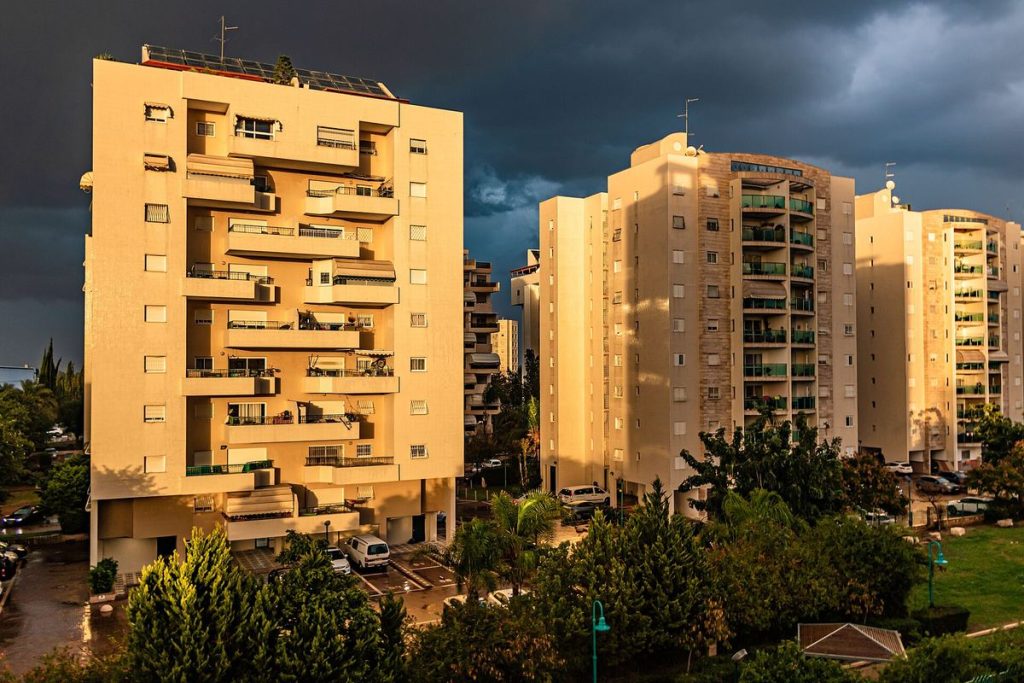
In Israel, the elevator bill for a penthouse depends on its legal status in the tabou and the resolutions of the vaad bayit. If the equipment is listed as a common area, the building association covers the costs, unless a majority vote decides otherwise. However, if usage is exclusive and recognized as a private accessory, the top-floor owner bears the maintenance, repairs, and electricity consumption. This distinction does not rely on usage alone, but on formal acts and the land registry.
Legal Status: Common Property or Private Accessory?
The first step is to check the elevator’s listing in the tabou, the Israeli land registry. This document determines whether the equipment is a common part of the building or a private accessory to the penthouse. Unlike in the United States, where exclusive use might sometimes create a presumption of ownership, in Israel, the absence of a mention in the registry does not automatically grant exclusive property rights. The vaad bayit must have voted on a formal resolution to assign the equipment to a single owner.
If the elevator serves only the top floor, the building’s bylaws may classify it as private equipment. This classification drastically changes cost allocation. We systematically verify the tabou and minutes from past general assemblies. If the elevator is technically connected to the main shaft, it is considered common property by default. In this case, the vaad bayit can only impose costs on the penthouse owner if it has voted on a specific resolution assigning maintenance to that owner.
Without this resolution, the penthouse owner can contest any demand for common charges related to the elevator. The difference with the U.S. is fundamental: here, the written and voted will of the co-owners takes precedence over simple usage practice. If the tabou indicates that the elevator is a common area, it belongs to the association, not the individual. This initial verification is essential before signing any maintenance contract or paying a bill. We recommend having a professional document the current state of the installation to record its technical nature.
The Role of the vaad bayit in Billing
The vaad bayit manages the building’s finances and decides on the allocation of charges. For the penthouse owner to pay for private elevator maintenance, a formal resolution voted on in a general assembly is required. This decision must be documented in writing. The owner has the right to request a copy of this resolution and the maintenance contract signed by the vaad bayit with the external company. Without these documents, the bill is contestable.
The owner can refuse to pay if the vaad bayit bills for maintenance without an explicit resolution. In this case, the dispute can be taken to the district court. It is crucial to distinguish between routine charges, such as electricity or oil, and major repairs. If the elevator is considered common property, the vaad bayit cannot impose structural repairs on the penthouse owner alone. These costs must be shared among all co-owners, unless decided otherwise.
We verify the legitimacy of each bill received. If the vaad bayit attempts to transfer heavy repair costs to the owner while the elevator is common property, we intervene to enforce the assembly resolution. Transparency is key: the owner must know exactly what they are paying for and why. This practice differs from many U.S. buildings where charges are often flat and poorly detailed. Here, every line item on the bill must be justified by a collective decision or a specific contract.
Maintenance Contract: Who Signs and Who Pays?
In Israel, the vaad bayit generally signs the contract with the elevator company. However, if usage is exclusive, payment may be redirected directly by the penthouse owner. It is essential to check the penalty clause in case of breakdown. The contract often specifies whether emergency repair costs are the responsibility of the vaad bayit or the private owner. A vague clause can lead to costly disputes.
Before signing an amendment to the contract, we arrange for a bedek bayit, which is a building inspection by a professional. This inspection documents the state of the elevator and prevents the owner from assuming liability for pre-existing hidden defects. If the elevator has existing flaws, the owner should not bear them alone. This practice is common and protects everyone’s interests.
There is no national collective agreement for elevators in Israel. Conditions are strictly contractual and local, negotiated by the vaad bayit with the service provider. The owner must therefore read the contract carefully. If they pay directly, they must ensure the contract grants them rights of oversight and control. We verify that the contract includes a clear liability clause in case of equipment failure. This contractual rigor is a characteristic of the Israeli market, where relationships between parties are highly formalized.
Electricity Consumption and Subscription
Elevator electricity consumption is a frequent point of friction. If the elevator does not have a dedicated meter, electricity is often included in the building’s global bill. This complicates cost tracking. The penthouse owner risks paying for common hallway lighting in addition to the elevator. To avoid this, it is possible to request that the utility provider create a specific account for the elevator if usage is exclusive.
We negotiate with the utility company to install a separate meter. This measure allows billing only for the elevator’s actual consumption. The owner then pays only for what they use. It is also necessary to check for double billing. The vaad bayit must not bill for elevator electricity in common charges while also asking the owner for a supplement for mechanical maintenance. This practice is illegal if the elevator is private.
Regarding the arnona, the municipal residence tax, the private elevator is not directly taxed. However, its surface area can influence the calculation of the apartment’s arnona if it is considered livable space. We verify with the municipality how the elevator’s surface is counted. If it is added to the penthouse’s area, the tax increases. This tax nuance is often overlooked by expatriate owners. We monitor these details to avoid surprises on annual bills.
Building Insurance and Damage Coverage
The vaad bayit is required to take out insurance covering the liability of common areas. This policy must include the elevator, even if it is used privately. If the elevator is declared private, the insurer may require an additional premium or exclude damages related to its exclusive use by the penthouse owner. It is crucial to check the exclusions in the insurance policy.
If the penthouse owner uses the elevator intensively, wear occurs faster. The insurer may refuse to cover breakdowns linked to this normal wear. In this case, the owner must take out supplemental insurance to cover specific risks. We verify that the vaad bayit‘s policy covers bodily injury in the event of an accident in the elevator. This coverage is mandatory to protect tenants and visitors.
In the event of a claim, the procedure is strictly regulated. The owner must notify the insurer promptly. If the elevator is private, the owner must prove that the breakdown was not due to their negligence. We assist our clients in managing claims, ensuring that the policy conditions are met. This vigilance is necessary because Israeli insurers are very attentive to contractual details. A misstatement can lead to a denial of indemnification.
Cost Allocation: Routine Charges and Repairs
The distinction between routine charges and major repairs is the core of the issue. Routine charges include electricity, lubrication oil, and preventive maintenance. Major repairs involve replacing the cabin, motors, or structure. If the elevator is common property, all these costs are shared. If it is private, the penthouse owner bears the entire cost.
We establish a clear allocation in the management contract. If the vaad bayit has voted on a resolution assigning the elevator to the penthouse, the owner pays everything. Otherwise, major repairs remain the responsibility of the association. This distinction is vital to avoid disputes. We document each expense to justify the allocation. The owner must receive a detailed condition report before paying for a repair.
In our rental management practice, we manage this allocation for our clients. We ensure that charges are not inflated by unnecessary fees. If the penthouse tenant uses the elevator, they do not pay for structural repairs if the equipment is common property. This protection is included in our service. We intervene with the vaad bayit to enforce allocation rules. Transparency is our priority.
Disputes and Legal Recourse
In case of disagreement over cost allocation, the owner can take the matter to the district court. The court examines the tabou, the vaad bayit resolutions, and maintenance contracts. It rules on the legal nature of the elevator. If the court determines that the elevator is common property, it orders the vaad bayit to refund the fees improperly billed to the owner.
The owner must keep all evidence: invoices, emails, assembly minutes. These documents are essential to support their claim. We accompany our clients in preparing these files. Court action is the last resort, as legal fees can be high. We prefer amicable negotiation with the vaad bayit. If that fails, we initiate legal proceedings.
It is important to note that Israeli courts are sensitive to good faith. If the owner acted in good faith by paying the charges, they may have difficulty recovering the sums. We therefore advise contesting bills upon receipt. This responsiveness is crucial. We verify the legal validity of each payment request. If it is unfounded, we issue a formal demand. This preventive approach avoids most disputes.
Summary Table of Responsibilities
The table below summarizes the allocation of responsibilities based on the elevator’s status. This overview allows the owner to quickly understand who pays for what.
| Expense Item | Common Elevator | Private Elevator (Voted Resolution) |
|---|---|---|
| Electricity | Shared via vaad bayit charges | Owner’s responsibility (dedicated meter) |
| Preventive Maintenance | Shared via vaad bayit charges | Owner’s responsibility |
| Structural Repairs | Shared via vaad bayit charges | Owner’s responsibility |
| Liability Insurance | Covered by vaad bayit policy | Covered by vaad bayit policy + potential additional premium |
| Arnona (Municipal Tax) | Included in building area | Potential increase in penthouse taxable area |
This table is a reference tool. It does not replace the legal analysis of your specific case. Each building has its own bylaws. We analyze your situation to determine the exact allocation. This clarity is essential for the financial management of your property.
Practical Advice for the Owner
To avoid surprises, we recommend a proactive approach. First, verify the tabou and the vaad bayit resolutions. Next, install a dedicated electricity meter if usage is exclusive. Finally, negotiate a clear maintenance contract with precise liability clauses.
We perform a bedek bayit inspection before taking over elevator management. This inspection documents the equipment’s state and serves as a reference for future repairs. If you are buying a penthouse, check the elevator’s spending history. Consult our guide on buying an apartment in Israel: who pays which fees? to understand other costs related to ownership.
If you have a terrace, note that repair allocation rules differ. Consult our article on penthouse terrace damage: who pays for repairs in Israel?. These two elements, the elevator and the terrace, are often linked in penthouses. Comprehensive management is necessary to protect your investment. We ensure this consistency in our support.
Never pay an elevator bill without verifying the vaad bayit resolution and the tabou. Demand a dedicated meter and a clear maintenance contract. In case of doubt, consult an attorney specializing in Israeli real estate law before signing any amendment.

Gestion locative en Israël pour propriétaires francophones. Bureaux à Netanya, 26 Dizengoff. Une question sur votre bien ? Écrivez-nous.