Who Pays for the Mamad Leak Test Before Renting in Israel?
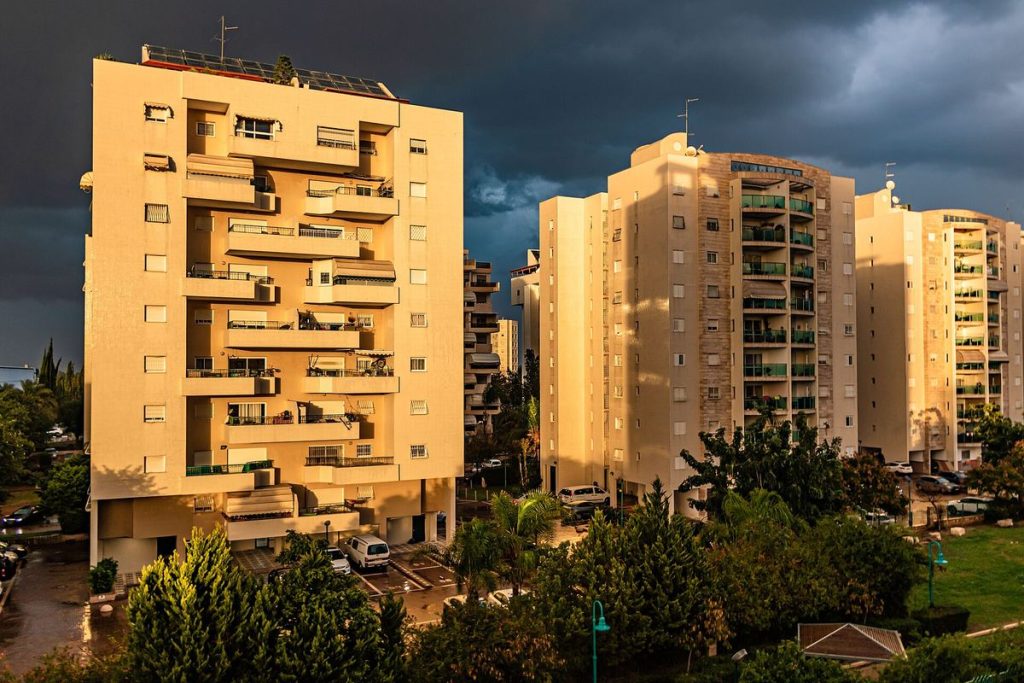
The owner bears the full cost of verifying and bringing the mamad into compliance. This obligation stems from the legal habitability of the property, not routine maintenance. The vaad bayit never funds this certification, which remains an individual expense. GII organizes the procedure with a certified expert, but the landlord signs the contract and pays the invoice before handing over the keys.
The mamad: a legal requirement, not a comfort feature
In the United States, enhanced security for a specific room is often a choice made by the owner or tenant. In Israel, the mamad is a strict regulatory requirement. It is not an optional fortified room, but a structural component of modern housing mandated by national security standards. An apartment without a functional and certified mamad is legally considered non-habitable. This fundamental distinction changes the nature of the expense: it is not an investment in comfort, but a condition for the validity of the lease.
The “sealing inspection” of the mamad has nothing to do with humidity tests or water infiltration checks. It focuses on certifying the acoustic insulation and mechanical strength of the reinforced door. The goal is to ensure the room withstands shock waves and intrusions. If the door has a gap in its seal or if the supporting structure is weakened, the compliance certificate is denied. Without this document, the tenant can refuse entry, and the owner cannot legitimately demand the signature of the contract.
This requirement stems directly from the fact that mamad security falls under the jurisdiction of the Ministry of Defense, not local civil regulations. Unlike a standard technical inspection, this verification has a near-security scope. Non-compliance blocks the rental, not just for comfort reasons, but because the property no longer fulfills its legal function as a refuge. The owner must therefore anticipate this inspection before even seeking a tenant, as a lease signed on a non-compliant property exposes them to immediate disputes.
Who pays the bill: the owner or the vaad bayit?
A common confusion among owners is expecting the homeowners’ association to cover security costs. This is a mistake. The vaad bayit, or board of directors, manages common areas: the elevator, hallways, and roof. It never funds the certification of the individual mamad. The mamad is an integral part of the private apartment. Its maintenance and compliance are therefore the exclusive responsibility of the owner.
It is essential to distinguish between routine maintenance and structural compliance. If a tenant breaks a door seal, they pay. But if the door itself is worn, the lock is faulty, or the acoustic insulation fails the test, the owner must intervene. The vaad bayit has no obligation to subsidize this replacement, even if the building is old.
The case of buildings constructed before current standards is particularly sensitive. If your apartment has a door installed twenty years ago, it may no longer meet current security standards. The cost of replacement is your responsibility. The vaad bayit cannot impose this expense on co-owners, as it concerns a private unit. However, if the initial installation of the mamad was poorly done by the developer and the defect is structural, a liability claim against the builder remains possible, but that is a separate matter.
To avoid misunderstandings, always check the bylaws of the vaad bayit. It may contain clauses regarding the use of common areas adjacent to the mamad, but never regarding the funding of the door itself. This strict separation between common and private charges is a specific feature of Israeli real estate law. Never count on collective coverage for individual security equipment.
Inspection by a certified professional: who hires them?
The mamad verification process is not entrusted to just any contractor. It requires an expert certified by the Ministry of Defense. This is not a simple plumber or carpenter, but a certified technician capable of validating the acoustic and mechanical resistance of the structure. The owner is the client of this professional. They engage the expert, sign the service contract, and pay the invoice.
GII can recommend reliable experts and organize appointments, but we never take on the financial responsibility on your behalf. This distinction is crucial. We act as a logistical facilitator, not a payer. If you entrust rental management to a company, it must clearly state that compliance costs remain your responsibility. This is standard practice in Israel, as the compliance of the private unit is the landlord’s obligation.
There is no “usage inspection” in the American sense, mandated by law for every transaction. Here, it is a voluntary technical verification, but indispensable to secure the rental. Without this inspection, you expose your property to legal and physical risks. The expert hired by the owner drafts a report attesting to compliance or flagging defects. This report is the only valid document to prove that the mamad is operational.
The choice of expert must be made with rigor. Verify their certifications and experience with the type of building (high-rise, residential complex, etc.). An inexperienced expert may miss a structural weakness. As an owner, you have the right to request multiple quotes, but the main criterion remains official certification. Do not outsource this task to a generalist. Technical precision is paramount, as any undetected defect can invalidate the safety of the refuge and engage your liability.
The compliance report: what the tenant must see
The result of the inspection is an official certificate. This document attests that the mamad meets current security and insulation standards. It is not a simple opinion, but an administrative document proving the property’s compliance. The tenant has the right to review this report before signing the lease. Providing this document is a transparency obligation, even if the law does not explicitly impose it as a mandatory contract annex.
In practice, this report must be presented during the move-in inspection. The tenant must be able to verify that the report’s details match the reality on the ground. If the certificate states the door is compliant, the tenant can expect it to function perfectly. In case of discrepancy, the tenant can refuse entry. This is a powerful negotiation lever for them, and a legal weakness for you if you have hidden a defect.
If the report mentions a crack in the wall or a weakness in the door, the owner must repair it before renting. You cannot rent a defective mamad hoping the tenant will not notice. In the event of a break-in or security incident, the absence of a valid compliance certificate exposes you to criminal and civil liability. The tenant could invoke the owner’s negligence to cancel the lease or seek damages.
GII archives this certificate in the property file. In the event of a future dispute, this document proves that you exercised due diligence. It also serves as evidence in the event of a loss. Never discard this report. It has evidentiary value over time. If you sell the apartment later, this compliance history is an asset. It shows that the mamad has been regularly maintained and verified. It is an important credibility element for a potential buyer, especially if you plan to buy or sell in Israel in the coming years.
Practical case: a defective mamad discovered during inspection
A frequent scenario is the discovery of a major defect during the first inspection. For example, the expert notes that the door does not close correctly or that the acoustic insulation is insufficient due to a worn seal. In this case, the rental is suspended. You cannot sign a lease until the defect is corrected. The rental timeline is therefore delayed, which impacts your potential income.
The cost of repairs is added to the initial verification cost. If the door must be replaced, you pay for the supply and installation, in addition to the re-verification. There is no single flat rate. The price depends on the complexity of the intervention. If the defect is simple (seal replacement), the cost is moderate. If it involves the entire door, the expense is significant. You must anticipate this budget in your property management plan.
The rental suspension can last several weeks, depending on the availability of the expert and the repair professional. This is not a fixed legal deadline, but a technical one. You must coordinate the works and the re-verification. GII can help you accelerate this process by knowing the average timelines of certified experts. But the final decision to proceed with the works rests with the owner.
If the defect is due to normal wear, you pay. If the defect is due to the negligence of a previous tenant (for example, if they forced the door), you can attempt to recover the costs via their shtar ’hov or security deposit, if provided for in the contract. But in the majority of cases, compliance is the owner’s burden. Do not count on easy recovery. Factor this risk into your cost of ownership estimate.
Verification cost: how to estimate it without quoting figures?
There is no regulated rate for mamad verification. The price depends on the complexity of the installation and the accessibility of the building. To estimate the cost, request a detailed quote from the certified expert. The quote must clearly distinguish the technical visit (travel, testing, report drafting) from any potential part replacement. Do not mix the two.
The estimation method relies on comparing multiple quotes. Contact at least two certified experts to get a price range. The price may vary by city (Netanya, Tel Aviv, Jerusalem) and the age of the building. An older building may require more complex handling, thus a higher rate.
Do not confuse this cost with insurance. Verification is a one-time compliance expense. Mamad insurance, if it exists, covers damages, not certification. This is a fundamental distinction. The verification cost is an investment in legal compliance, not an insurance premium.
To get an accurate price, the expert often must visit the property before quoting. Do not rely on a phone rate. The complexity of the site (height, access, door condition) influences the price. GII can connect you with experts who offer transparent rates. But it is always you who validates the quote. Do not sign a contract without understanding the nature of each expense line.
The management company as intermediary: what GII does
Our role at GII is to secure the procedure, not to finance the works. We identify experts certified by the Ministry of Defense and organize the visit. We verify that the inspection report is complete and that the expert’s recommendations are followed before handing over the keys. This is our quality control.
We archive the compliance certificate for the property file. This document is useful in the event of a future dispute with a tenant or in the case of a sale. It proves that the property was compliant at the time of rental. We do not pay the invoice directly. The owner pays the expert. We can help you track the payment and verify the invoice, but the financial responsibility remains yours.
This organization saves time. You do not have to search for a reliable expert yourself. We know the professionals who meet deadlines and standards. But we do not take the risk on your behalf. If the expert finds a defect, you decide to repair. We advise you, but the decision to commit funds rests with the owner.
This transparency is essential. We do not sell a “turnkey solution” that includes compliance costs. This is a real cost of the property. By managing your apartment, we ensure that this cost is anticipated and managed efficiently. But we do not cover it. This is a specific feature of rental management in Israel, where the separation between administrative management and private charges is strict.
After signing: who manages the day-to-day?
Once the contract is signed and the mamad is compliant, daily management shifts. Who receives the keys? Who finds the tenant? Who answers when a pipe bursts on a Friday? These questions are crucial for an absent owner.
GII manages tenant search and key handover. We perform the move-in and move-out inspections. We respond to technical emergencies, including water leaks or mazgan failures. We act as the single point of contact for the tenant. You do not have to manage emergency calls from a distance.
If a problem occurs in the mamad after the rental, the tenant must alert us. We intervene to verify if the defect is due to wear or malice. If it is normal wear, we organize the repair. If it is malice, we initiate the recovery procedure via the shtar ’hov.
This active management is what allows you to live comfortably in the United States. We treat the property as if we were the owners. But we remain agents. Major decisions (door replacement, major works) remain your initiative. For more details on the distribution of charges, consult our article on Who pays the management fee the first month after buying a Mamad in Israel?. And if you are considering buying a property with an old mamad, remember to also check Verifying the roof waterproofing of the top floor before purchase in Israel, as leaks can affect the structure.
Never allow a tenant to enter without a valid mamad compliance certificate. This document is your only legal protection in the event of an incident. GII ensures that this certificate is validated by a certified expert before key handover.

Gestion locative en Israël pour propriétaires francophones. Bureaux à Netanya, 26 Dizengoff. Une question sur votre bien ? Écrivez-nous.