Window and Mamad Waterproofing in Israel
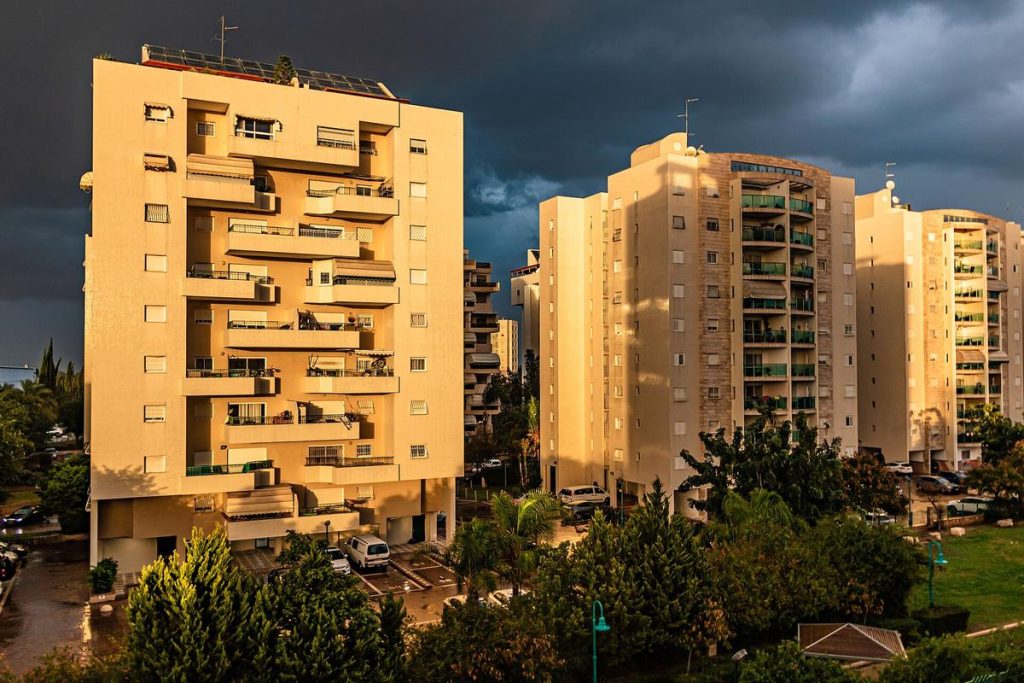
The sealing of a mamad relies on the rigorous verification of the armored door seals, window frame caulking, and the integrity of ventilation ducts. To guarantee its function as a secure room, you must test for water infiltration around the frames and inspect the condition of silicone seals through a professional. A failure in these elements compromises not only thermal comfort but also the technical compliance of the room.
Inspecting the mamad before renting
Renting an apartment containing a mamad requires special attention to closing elements. Unlike a standard room, the security function of this space depends directly on its air and water tightness. We perform a systematic check of the armored door seals to ensure they are not cracked or compressed, which would prevent the room from fulfilling its protective role.
To validate window sealing, we recommend performing a water test. By spraying water on the exterior frames, you can immediately identify points where moisture enters the interior. If water infiltrates between the window frame and the masonry, the caulking is defective. We advise having the condition of the silicone seals verified by a professional before signing a lease to avoid future disputes with the tenant.
This inspection step is distinct from a simple courtesy visit. It is a technical inspection aimed at preventing structural damage. A tenant may report an infiltration during the first winter rains, and the owner is then responsible for the repairs. By using our property management services, we integrate these checkpoints into our property preparation process.
- Verify the integrity of the armored door’s perimeter seals.
- Perform a water test on window frames to detect infiltrations.
- Have silicone seals inspected by a building professional.
Differences between standard sealing and mamad standards
There is a major technical distinction between windows in a standard living room and those installed in a mamad. The frames of the secure room must meet much higher thermal, acoustic, and pressure resistance criteria. A standard window does not guarantee the sealing necessary to maintain the controlled environment required during a security event. To understand these specifics, consult our article on sound insulation of the mamad in Israel: a compliance guide.
The locking mechanism of the armored door is a critical point. If the locking does not allow for uniform compression of the seals, air tightness is compromised. This can lead to whistling during strong winds or a loss of efficiency for the mazgan. During a bedek bayit, the inspector must verify that the pressure exerted by the locking mechanism meets the requirements for a secure room.
The bedek bayit requirements for a mamad are stricter than for the rest of the home. While a leak in a living room is an aesthetic inconvenience, a flaw in the mamad is a technical non-compliance. The structure must be capable of withstanding different pressures, which implies more robust window frames and higher-density seals than those found in ordinary living spaces.
Managing infiltrations related to the doud shemesh and the roof
Moisture problems in the mamad often originate from the upper part of the building. Since this room is generally located on the ground floor or is the first room under the roof, it is vulnerable to leaks coming from the roof. We systematically look for traces of moisture, water stains, or peeling paint on the mamad walls that would indicate an infiltration through the ceiling.
The installation of the doud shemesh on the roof can be a source of complications. If the solar water heater fixings or the piping pass through the structure inadequately, they create entry points for water. We check the correlation between the position of the doud shemesh and the appearance of damp areas in the secure room. Poor roof sealing around these installations can damage the walls of the mamad.
In the event of a leak, the distribution of responsibility is governed by the nature of the failure. If the infiltration comes from a common part of the roof, responsibility lies with the vaad bayit. If the leak is related to a private installation or a lack of maintenance of specific equipment, the owner must intervene. We advise precisely documenting the origin of the leak to facilitate discussions with the building association.
Maintenance of technical equipment in the secure room
The mamad has its own ventilation systems that must be maintained to prevent air stagnation. We check the sealing of the ventilation ducts. These openings must prevent the entry of dust, rainwater, or outside gases while ensuring a controlled airflow. A poorly adjusted ventilation grille or a cracked duct can turn the room into a confined, humid space. For more details on these systems, read our guide on air filtration in a mamad in Israel: installation and safety.
Installing a mazgan in the mamad requires special attention. Condensation is a frequent risk if the air conditioner is not properly drained or if the unit’s sealing is faulty. We inspect the duct exit points to prevent moisture from accumulating on the walls, which would encourage mold growth in a space that is often not naturally ventilated.
Finally, inspecting the seals of all openings is necessary to maintain the required atmospheric pressure in case the protection systems are used. Worn seals allow for air micro-leaks that harm thermal regulation and acoustic security. Regular maintenance of seals and ventilation filters helps limit emergency interventions during the rainy season.
| Inspected element | Specific checkpoint | Risk for the owner |
|---|---|---|
| Mamad door | Perimeter seals | Loss of secure room function |
| Windows | Caulking between frame and wall | Infiltrations during winter rains |
| Ventilation | Grilles and air ducts | Stagnant moisture and mold |
Allocation of repair costs between landlord and tenant
Managing repairs related to sealing requires a clear distinction between natural wear and misuse. Replacing window seals or the armored door, which degrade over time and through temperature cycles, is the responsibility of the owner. In contrast, damage caused by an accidental impact or neglected equipment maintenance by the tenant may be charged to them.
The cost of the intervention varies depending on the nature of the problem. Replacing a silicone seal is routine maintenance, whereas replacing a defective window or a mamad door represents a major investment. We recommend using the lease agreement to specify the terms of intervention. The contract should define who is authorized to call a professional in the event of a sudden leak.
To avoid disputes, we advise conducting a precise move-in inspection. If an infiltration is noted at the start of the tenancy, it must be mentioned. If there is doubt regarding the origin of a leak, we call a professional to establish a technical report. This helps determine if the repair should be charged to the building’s common expenses via the vaad bayit or to the owner’s management costs.
Consequences of humidity on the property value at the tabu
The sealing condition of an apartment has a direct impact on its market value and its status at the tabu. An untreated sealing defect, especially in a mamad, can lead to structural damage that is not immediately visible, such as the corrosion of metal frames or the degradation of load-bearing walls. These issues can be raised during a sale, affecting the final price or the closing of the transaction.
Before any sale involving the calculation of mas shevach, we recommend checking the condition of the walls. A savvy buyer will ask for guarantees regarding the absence of infiltrations, especially in technical rooms. Persistent traces of moisture can be interpreted as a latent defect, leading to legal complications during the transfer of property. Mastering the technical state of the property is a step in protecting your capital.
Anticipating repair requests during a change of tenant is also a prudent measure. A departing tenant may demand the repair of worn seals before returning the keys. By maintaining preventive maintenance on windows and ventilation systems, you prevent these costs from accumulating and weighing on the profitability of your real estate investment in Israel.
We advise you to have a building inspection (bedek bayit) performed by a specialized professional before each new rental to guarantee the integrity of the mamad.

Gestion locative en Israël pour propriétaires francophones. Bureaux à Netanya, 26 Dizengoff. Une question sur votre bien ? Écrivez-nous.