Checking Window Seals in Israel: The Keys to a Penthouse
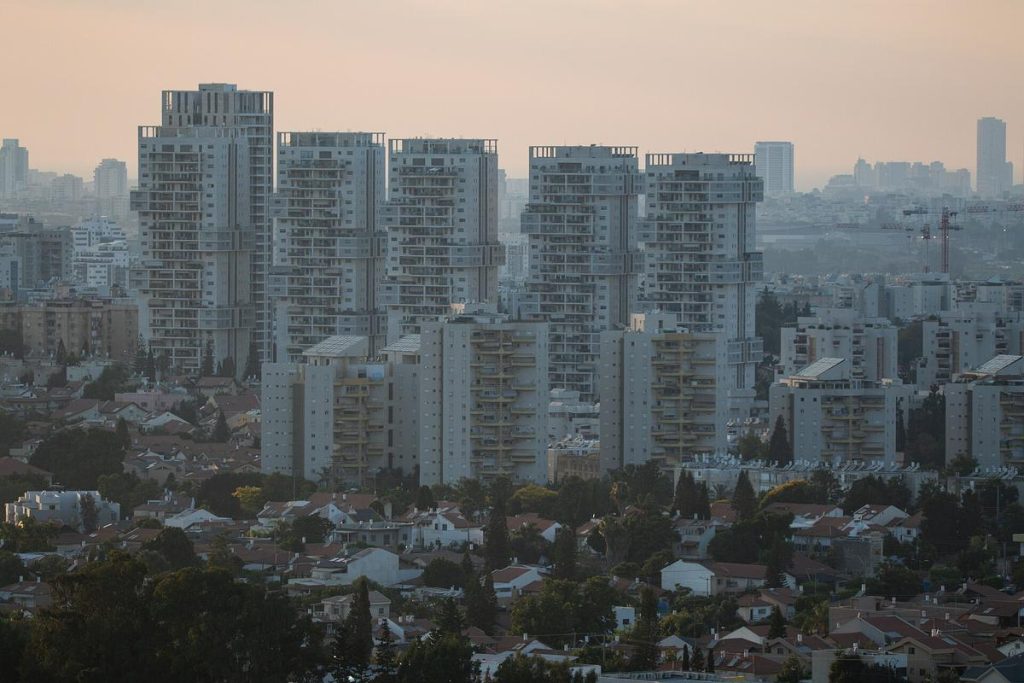
To verify the watertightness of a penthouse’s windows in Israel, you must inspect the silicone seals, test the drainage of the sliding rails, and check the penetration points for air conditioning units. High floors experience stronger wind pressure, which forces water through aluminum frames. A visual exam is not enough; a professional water spray test is necessary to identify micro-cracks invisible to the naked eye.
Checking window watertightness in a penthouse: the impact of wind and pressure
The high position of a penthouse radically changes how water interacts with window frames. Unlike lower floors, top-floor windows are subjected to Mediterranean coastal winds that do not just push water, but project it with mechanical force against the frames. This pressure can force moisture through silicone seals, even if they are new, if they were poorly applied or if the material is not suited for saline exposure.
The inspection must focus on the resistance of the window frames against atmospheric pressure. In Israel, most window frames are made of aluminum, a rigid material that does not tolerate excessive thermal expansion. If the frame is poorly secured or if the seal between the aluminum and the building structure is degraded, wind-compressed air can introduce moisture into the apartment. We recommend checking for whistling sounds during storms, a sign of abnormal air pressure that often precedes water infiltration.
The sliding rails of large glass doors are a major point of vulnerability. During heavy rain episodes, water accumulates in the rails. If the drainage holes are obstructed by sand or debris, the water rises in the rail and eventually overflows into the room. This phenomenon is frequent in properties located near Netanya or Tel Aviv, where sand is carried by the wind.
Applying bedek bayit inspection to exterior windows
Building inspection, or bedek bayit, is a practice we advise requesting when acquiring or renting a high-end property. A specialized inspector uses methods that go beyond a simple visual check. For penthouse windows, they often perform a high-pressure water spray test on the frames and junctions to simulate extreme weather conditions.
The inspector must examine the condition of the seals on the aluminum frames. In Israel, the quality of the installation is often more decisive than the quality of the material itself. We verify the continuity of the seal around the entire perimeter of the window, focusing on the corners, which are the most frequent points of failure. A broken seal, even by a few millimeters, is enough to create a path for water during a storm.
A crucial step involves comparing the inspector’s findings with the original construction plans. This allows you to verify if the installed windows match the intended technical specifications. If the frames were replaced or modified by a previous owner without respecting the structural watertightness standards, the risk of infiltration is multiplied. To learn more, you can consult our article on Window and mamad watertightness in Israel: the necessary inspection.
Managing leaks related to the mazgan and exterior units
The air conditioning system, or mazgan, is omnipresent in Israel and is a frequently overlooked source of leaks. In a penthouse, exterior units are generally installed on terraces or on supports attached to the facade. The watertightness of these unit fixings is a critical control point. If the support is poorly sealed, condensation or rainwater infiltrates directly into the wall structure, bypassing the window.
We examine the penetration points for cables and air conditioner drainage pipes. These conduits pass through the walls to reach the interior. If the sealant around these pipes is dry or cracked, water enters the wall. It is necessary to verify that the slope of the drainage pipes is sufficient to direct water outside rather than into the building structure.
The inspection must also check for standing water around the mazgan supports. Water accumulation on a penthouse terrace can saturate window seals through capillary action. If water stagnates near a large glass door, it will inevitably find a way in, whether through the threshold or the silicone seals. Effective management of condensation drainage is therefore inseparable from window maintenance.
Responsibilities and cost distribution: owner vs. vaad bayit
Detecting a leak only solves half the problem; the second half is legal. In Israel, the distinction between private property and common areas is fundamental for handling repairs. If the infiltration comes from a defect specific to the window (worn seal, poorly fixed frame), the costs fall to the owner. If the leak is caused by a crack in the building facade or a structural watertightness defect, responsibility lies with the vaad bayit.
To determine the origin of the leak, a report from a professional expert is indispensable. This professional can confirm whether water is entering through the window frame or descending from the facade via a structural crack. This distinction is crucial to avoid prolonged disputes with the homeowners association. We advise you to consult the building regulations to precisely define the charges related to the maintenance of facades and exterior elements.
As part of our property management, we help owners navigate these responsibilities. A poorly managed dispute with the vaad bayit can block essential repairs for months, worsening material damage inside the penthouse. Clarity on who pays for what is the foundation of healthy real estate management.
The impact of humidity on the mamad and secure zones
The mamad, the mandatory secure room in Israeli construction, has its own watertightness constraints. The openings of the mamad, notably the reinforced door and protective shutters, are subject to specific air pressure tests. If the watertightness of these elements is compromised, humidity can infiltrate this zone, which must remain the healthiest and most protected part of the home. An important technical detail: the seals on the reinforced door are particularly sensitive to salty air, which can accelerate their degradation.
It is necessary to check for any signs of humidity on the interior walls of the mamad during heavy rain periods. Infiltration from the top of the wall, often linked to the junction between the roof slab and the secure room walls, is a classic scenario in penthouses. This requires an inspection of the junction points between the mamad structure and the rest of the building.
The watertightness of rolling shutters or protective shutters is also a point of vigilance. These elements, often made of metal or thick aluminum, must fit perfectly into their frames to prevent water from rushing in through the top of the opening. For a complete analysis of these risks, refer to our guide on Window and mamad watertightness in Israel: the necessary inspection.
Risks of degradation to terrace surfaces and thresholds
The junction between the window frame and the terrace tiling is one of the most critical points of a penthouse. In Israel, terraces are often covered with tiles laid on a waterproof screed. If the silicone seal between the window frame and the tiles fails, water infiltrates under the tiles. This can cause leaks in the apartment below or serious structural damage.
The proper functioning of rainwater drainage on large terrace surfaces is imperative. A penthouse often has large floor areas that collect significant volumes of water during storms. We verify that siphons and drains are not obstructed and that the flow is sufficient to prevent water from rising toward the window thresholds. Poor management of surface water is a frequent cause of damage.
The condition of the floor slopes must be rigorously checked. Terrace tiling must have a downward slope toward the drains, moving away from the window frames. If the slope is reversed or non-existent, water will stagnate against the window frames, increasing hydraulic pressure on the seals. To understand the risks related to these transition zones, read our article on Balcony watertightness in Israel: maintenance and infiltration risks.
Watertightness control points tracking table
| Element to check | Verification method | Warning sign |
|---|---|---|
| Silicone seals | Visual inspection and touch | Cracks, peeling, or spongy appearance |
| Sliding rails | Water drainage test | Standing water or overflowing toward the interior |
| mazgan passage | Examination of penetration points | Humidity stains or mold on walls |
| Terrace thresholds | Checking slope and seals | Visible infiltration under tiles or rising water |
| Aluminum frames | Checking fixings and seals | Air whistling or water marks on frames |
Before signing any lease or sale agreement, have the condition of the window frames verified by a specialized professional. A penthouse is particularly exposed to sea winds that accelerate the wear of silicone seals.

Gestion locative en Israël pour propriétaires francophones. Bureaux à Netanya, 26 Dizengoff. Une question sur votre bien ? Écrivez-nous.