Integrated Penthouse Air Conditioning Maintenance in Israel
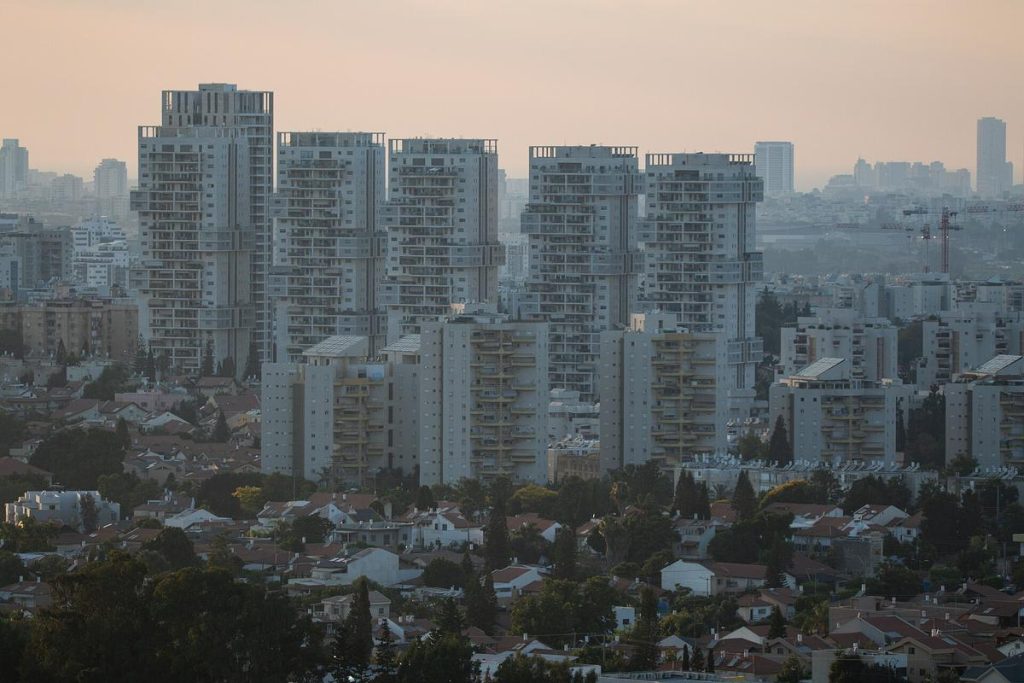
In Israel, maintaining the integrated air conditioning systems in a penthouse relies on a strict distinction between individual equipment and the building’s common areas. The lease agreement does not allow transferring the responsibility for structural maintenance of cooling units to the tenant, even if those units are located within their apartment. This responsibility depends on the type of contract and the registration of the elements in the tabou registry. The owner retains the burden of major repairs related to wear and tear, while the tenant assumes routine usage and reporting of malfunctions.
1. The boundary between individual equipment and common areas
Determining responsibility begins with the physical nature of the installation. It is necessary to distinguish between indoor units, such as splits or ducted systems, which belong to the apartment, and outdoor condensing units. The latter, placed on the facade or roof, are often considered part of the building’s structure. In this case, they fall under the common domain, managed by the vaad bayit. The penthouse owner cannot unilaterally decide that the outdoor unit is their private property if it is attached to a common wall or supplied by shared piping.
In the United States, property condition reports are often used to define the state of the premises. In Israel, there is no legally mandated inspection to certify the condition of air conditioning systems. Proof of wear or obsolescence is obtained through a building inspection, or bedek bayit, performed by a professional. This assessment serves as evidence to determine whether a repair falls under routine maintenance or structural issues. If the units are integrated into the initial architectural plan, their structural maintenance is the owner’s responsibility, as they are part of the structure. The tenant can only be held liable for damage resulting from misuse, not for deterioration caused by time.
2. The role of the land registry and original documents
To resolve a dispute over equipment ownership, you must consult the original documents. The first step is to verify if the air conditioning units are mentioned as an integral part of the apartment in the tabou documents. If the system was installed by the developer before the sale, it is presumed to be part of the unit. If the installation was carried out later by the owner, you must examine the permits obtained from the municipality.
It is crucial to consult the building’s initial technical plan. This document allows you to identify shared pipes versus private circuits. If the pipes pass through neighboring apartments to supply the penthouse, the system is complex, and responsibility is often shared with the vaad bayit. In the case of an older system, request the previous maintenance reports provided by the developer or the management association. The absence of these documents may indicate prior negligence, which strengthens the owner’s liability in the event of a breakdown. Do not rely on verbal statements from the management; only the technical plan and the tabou are valid in court proceedings.
3. Drafting the lease: what the tenant can and cannot assume
The lease is the key document that defines obligations. The tenant may be required to clean filters, check daily functionality, and immediately report any malfunction. They can never be required to pay for major repairs to the heat pump or compressor, as this constitutes normal equipment wear. Any clause that transfers structural maintenance responsibility to the tenant without a clear financial offset is null and void.
The lease must specify who pays the arnona related to energy consumption if the system is individual, and who pays the association fees, or vaad bayit, if the system is centralized. In Israel, the arnona is a municipal tax paid by the property owner. It is not transferred to the tenant unless the lease explicitly states that the tenant will reimburse a portion of municipal charges. However, this clause must be reasonable and proportionate. An owner who wishes to rent out their property must be aware of these recurring costs. To understand all financial obligations related to renting, consult our guide on how to rent from abroad.
4. The procedure in case of breakdown: who calls the technician?
When a breakdown occurs, quick action is essential to prevent further damage. The tenant reports the malfunction to the owner or their property manager. The latter must intervene within a reasonable time to bring in a professional. If the tenant waits several days before reporting the malfunction, they may be held liable for aggravated damages. In case of a dispute over the cause of the breakdown, whether normal wear or misuse, the facts must be documented by an industrial refrigeration expert.
The cost of emergency intervention depends on the identified cause. If the breakdown is due to wear, the owner pays. If it is due to proven tenant negligence, such as blocking vents or using inappropriate chemical products, the tenant reimburses the costs. It is recommended to keep intervention invoices and expert reports. In a penthouse, where systems are often more powerful and complex, the intervention of a specialized technician is indispensable. Do not hire a generalist for an integrated system; specific expertise is required to guarantee the safety and efficiency of the installation.
5. Penthouse specifics: exposure and insulation
Penthouses in Netanya or Tel Aviv face a higher thermal load than other floors. Sun exposure and roof surface area increase the strain on mazgan units. Maintenance must therefore include rigorous checks of the outdoor units’ waterproofing and the insulation of the pipes. A refrigerant gas leak in a penthouse may be detected more quickly due to natural ventilation, but structural damage related to corrosion is more frequent due to exposure to the elements.
The mamad or mamak does not protect against climate-related failures. These secure spaces serve for protection against attacks, not for technical maintenance. Maintenance responsibility remains unchanged by the presence of these devices. In the United States, the lack of strict energy performance standards for existing homes leaves room for negotiation on maintenance frequency. In Israel, market practice often imposes a complete annual maintenance for integrated systems to preserve the property’s value. A poorly maintained system in a penthouse can become a factor in rejection during a future resale.
6. Financing major repairs via the association budget
If the air conditioning system is centralized, repair costs fall to the vaad bayit. These charges are paid by all co-owners, including the penthouse owner. The owner cannot claim reimbursement of these charges from the tenant, unless there is a specific and legal clause in the lease. In case of vacancy, the owner continues to pay association fees, regardless of the air conditioning’s condition.
It is important to verify if the vaad bayit‘s annual budget includes a provision for maintaining common equipment. If not, a general assembly may be convened to approve an exceptional expense. The owner must follow these decisions, as they directly impact their cash flow. If the penthouse’s private elevator also requires work, the question of cost allocation is similar. To explore this topic further, read our article on Penthouse private elevator maintenance: owner responsibility in Israel. Managing common charges is a central aspect of co-ownership in Israel.
7. Safety and inspection obligations
The safety of air conditioning systems is a priority. You must have an inspection performed by an accredited professional to check for refrigerant gas leaks. This is a major risk in integrated units, especially in confined spaces like drop ceilings. Leaks can cause health problems for occupants and lead to administrative sanctions. Keep maintenance certificates to protect yourself in case of an incident or dispute with home insurance.
Home insurance often covers damage caused to third parties by a leak, but it may refuse compensation if maintenance was not up to date. It is therefore crucial to keep a written record of each intervention. In case of doubt about liability, consult a lawyer specializing in Israeli real estate law. Israeli law protects tenants against abusive clauses, but the owner must act proactively to avoid disputes. Prevention is less costly than repair.
8. Summary table of responsibilities
| Element | Owner Responsibility | Tenant Responsibility |
|---|---|---|
| Filter cleaning | No | Yes |
| Compressor repair | Yes (wear) | No |
| vaad bayit charges | Yes (if centralized) | No (unless clause) |
| arnona tax | Yes | No |
| Malfunction reporting | No | Yes |
| bedek bayit inspection | Yes (cost) | No |
This distribution is the norm in Israel. Any deviation must be written in the lease and respected. To find out who pays for the maintenance of a penthouse’s private elevator in Israel, consult our dedicated article: Who pays for the maintenance of a penthouse’s private elevator in Israel?. Transparency on these points avoids conflicts and ensures the smooth management of your investment.
Before signing a lease for a penthouse, require a complete technical inspection of the air conditioning systems by an independent professional. Verify that the outdoor units are not integrated into the common areas without your consent. Keep all maintenance reports to prove proper management of the equipment in case of a future dispute with the tenant or the vaad bayit.

Gestion locative en Israël pour propriétaires francophones. Bureaux à Netanya, 26 Dizengoff. Une question sur votre bien ? Écrivez-nous.