Luxury Condominium Rules in Israel: Framework and Amenities
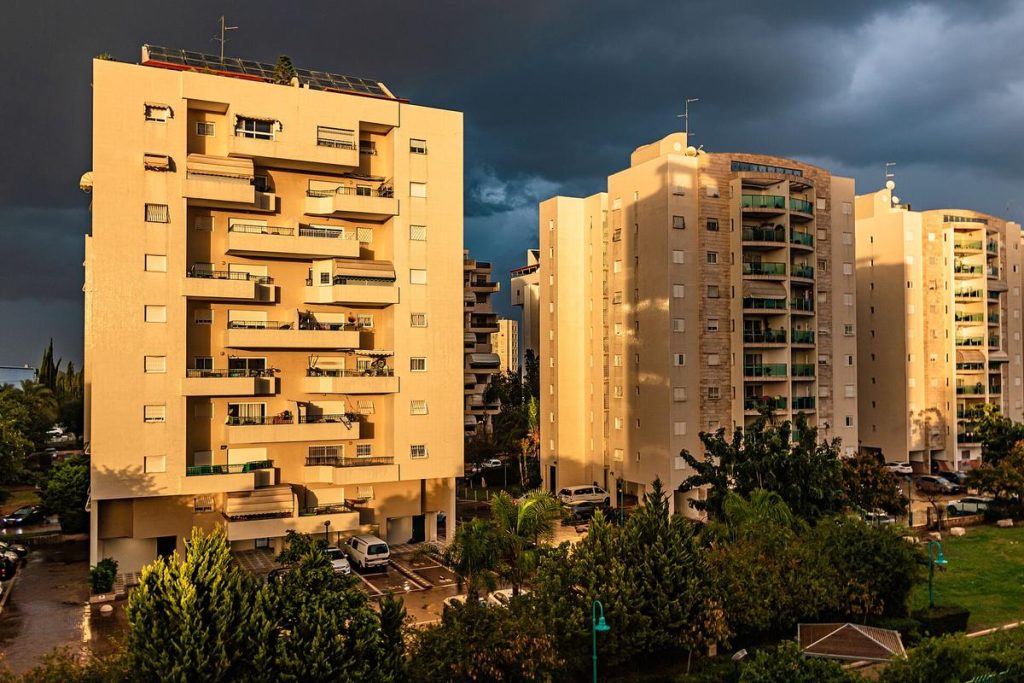
Condominium rules in luxury buildings in Israel require strict adherence to facade aesthetics and specific security protocols. Residents must comply with internal regulations regarding the installation of technical equipment, the use of recreational spaces, and the management of maintenance fees. Any modification to the exterior appearance or the use of common areas requires prior approval to avoid harming the interests of the other co-owners.
The influence of condominium regulations on comfort equipment
In a high-end residence, technical installations are strictly regulated to preserve architectural unity. We systematically verify that the location of mazgan units respects the facade plan validated by the building’s architect. The unauthorized installation of compressors on balconies or facades is prohibited by almost all luxury condominium regulations. Owners must use the technical niches provided for this purpose during construction.
The issue of hot water is also sensitive. The installation of a doud shemesh on a rooftop terrace, whether private or common, depends on the building’s structure. If the roof is a common area, individual installation is prohibited without the agreement of the co-owners’ assembly. We advise consulting the building’s regulations before any project to modify hot water production. On private rooftop terraces, the installation must comply with the structure’s load standards to avoid compromising the building’s stability.
Filtration systems for private pools, often found in duplexes or prestige apartments, generate noise disturbances. Building regulations often define decibel thresholds or mandatory shut-off hours for filtration pumps. To avoid disputes, we recommend having a professional verify the noise level of equipment before it is put into service. This ensures that vibrations do not propagate through the building’s common structure.
- Verification of mazgan unit locations on technical plans.
- Compliance check of doud shemesh installation with the roof structure.
- Measurement of pool pump noise levels to respect quiet hours.
Distribution of vaad bayit in high-end residences
The management of fees in a luxury building differs significantly from standard buildings. The vaad bayit in these residences includes extensive services: 24/7 security, garden maintenance, cleaning of recreational areas, and maintenance of high-speed elevators. We distinguish between two types of financial flows: current maintenance charges and reserve funds.
Current charges cover common area electricity, water, staff salaries, and daily maintenance. The reserve fund, often called a renovation fund, is intended for major works such as facade renovation or replacing security systems. To know the amount of your contribution, you must consult the distribution table attached to the condominium regulations. This table defines each owner’s share, generally calculated based on the apartment’s square footage and, sometimes, based on the use of specific equipment (such as privileged access to a private elevator).
In the most prestigious residences, management is often entrusted to an external management company rather than a condominium committee composed of volunteer residents. This outsourcing allows for more rigorous management of maintenance contracts and neutrality in the application of rules. To understand the details of this organization, consult our article on The condominium association in Israel: how the vaad bayit works. Professional management ensures the continuity of service essential to maintaining the real estate asset’s value.
| Type of charge | Example services | Funding method |
|---|---|---|
| Current maintenance | Cleaning, security, common area electricity | Monthly owner contributions |
| Reserve fund | Facade renovation, elevator replacement | Annual or monthly provision |
| Specific services | Concierge, private pool maintenance | Direct billing or via vaad bayit |
Access and use of shared recreational spaces
Access to recreational spaces (gym, spa, pool, cinema room) is a privilege governed by strict protocols. Civil liability in the event of an accident in these areas is a major point of vigilance. The building regulations specify the limits of the condominium’s liability and the obligations of residents. When using sports equipment, the condition of the machines must be documented by the maintenance provider.
For event organization, private lounges and reception spaces are subject to reservation procedures. These protocols often include a cleaning fee and a limit on the number of guests to avoid saturating elevators or secure access points. We verify compliance with these reservations to guarantee the peace of other residents. Failure to respect reservation times may result in sanctions provided by the regulations.
Security of access for external service providers (delivery people, domestic staff, contractors) is a priority. Luxury buildings use badge systems or temporary codes. Access to recreational areas by persons outside the residence is strictly prohibited, except with special authorization from the condominium management. We advise integrating these security rules into any management contract to prevent intrusions into private and common spaces.
Security and access control: standards for secured buildings
Security in Israeli buildings includes a structural dimension with the presence of the mamad. Although the mamad is a secure room located inside the apartment, its integration into the building’s overall security protocol is essential. Detection systems and emergency communications must be compatible with national security standards. During construction, access management to common refuge areas is also planned.
The operation of video surveillance is governed by a balance between security and respect for privacy. Cameras are permitted in hallways, entrance halls, and parking lots, but they must never film the interior of apartments or private resting areas. The condominium regulations define the conditions for residents or authorities to access recordings. We verify that surveillance installations comply with legal provisions to avoid any claims regarding invasion of privacy.
The management of deliveries and concierge services requires coordination with the security desk. Luxury delivery or concierge services cannot move freely through the floors without a prior identification procedure. The use of service elevators for bulky deliveries is often regulated to avoid crowding passenger elevators. Fluid management of people’s movement is the guarantee of resident serenity.
Facade maintenance and modifications to the exterior appearance
The aesthetics of a high-end building rely on the uniformity of its facades. It is forbidden to modify the visual unity of the building by adding elements not included in the original project. This specifically concerns the choice of blinds, the color of glazing, or the installation of non-concealed air conditioners. An owner who installs blinds of a color different from the building standard risks being required to restore the original state at their own expense.
For any balcony renovation or extension project, the procedure is rigorous. You must have a professional certify the project’s compliance with the building’s structural plans. This expertise ensures that the work does not affect the waterproofing of neighbors’ balconies or the strength of the facade. We recommend systematically submitting the architect’s plans to the condominium committee before work begins. For more details on technical interventions, consult our article on Condominium works and rental management in Rishon LeZion.
The impact of renovations on the value of the entire condominium is real. A non-compliant modification can degrade the prestige of the residence and, by extension, the market value of all apartments. The condominium has the right to demand the removal of any architectural element that contravenes the regulations. Vigilance regarding the exterior appearance is therefore a collective protection for each owner’s investment.
Neighbor disputes and application of building regulations
Neighbor disputes in luxury residences often involve failure to respect quiet hours or the misuse of common areas. The mediation procedure generally begins with a formal warning sent by the vaad bayit or the management company. If the behavior persists, the regulations provide for sanctions that can range from fines to involving the competent authorities. Internal mediation is preferred to maintain community harmony.
The role of the municipality and local administration comes into play when zoning rules or building permits are violated. If an owner carries out structural modification work (such as opening an unauthorized window), the municipality may intervene to order a work stoppage or restoration. Municipal regulations complement condominium regulations and must be strictly followed to avoid heavy administrative sanctions.
If mediation fails, possible legal remedies include family court or civil courts, depending on the nature of the dispute. Disputes related to inheritance (yerusha) or the use of an inherited property can also impact condominium management. Israeli courts handle neighborhood disturbances based on building regulations and property laws. Systematic documentation of nuisances is indispensable for any legal recourse.
Legal responsibilities and verifications during acquisition
Acquiring a luxury apartment in Israel requires a thorough verification of the condominium’s legal status. We proceed with a verification of the account status via the tabou and the condominium’s management records. It is crucial to ensure that no owner is late on vaad bayit payments, as these debts can sometimes be linked to the real estate unit itself in certain litigation contexts.
The importance of a building inspection (bedek bayit) is paramount before signing the deed of sale. This inspection, performed by a professional, allows for the identification of signs of structural degradation or imminent repair needs (roof waterproofing, elevators, security systems). A rushed inspection can mask massive renovation charges that will be passed on to the new owner shortly after move-in. A building inspection is the most effective preventive tool against financial surprises.
Finally, the impact of tax and municipal debts must be verified. An owner must ensure that the municipal tax (arnona) is up to date for the unit concerned. Although arnona is a tax linked to occupancy, a verification with the municipality is necessary to confirm that no dispute is ongoing. Transparency regarding condominium charges and tax obligations is the foundation of a smooth transaction.
Before any purchase in a high-end residence, request the full condominium regulations and the minutes from the last three general assemblies. These documents reveal upcoming work projects and existing tensions within the condominium. For complete assistance in managing your assets, contact our rental management services.

Gestion locative en Israël pour propriétaires francophones. Bureaux à Netanya, 26 Dizengoff. Une question sur votre bien ? Écrivez-nous.