Mamad Inspection in Israel: Key Technical Check Points
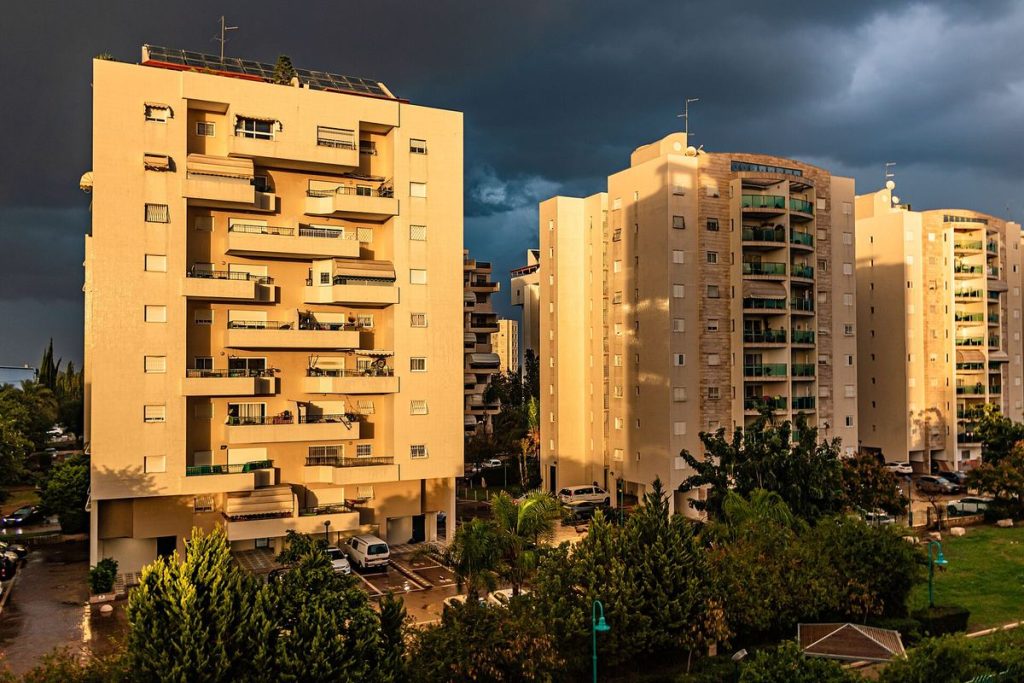
To inspect the airtightness of a mamad, you must hire a specialized professional to perform a technical examination of the armored door seals, ventilation ducts, and concrete walls. This procedure helps distinguish simple moisture infiltration from a failure to comply with state security standards. The inspection must cover both airtightness and the structural integrity of the room to guarantee occupant protection.
Verify the mamad’s airtightness before purchasing or renting
Acquiring or placing an apartment under management requires particular attention to the mamad. Unlike other rooms in the apartment, the mamad must meet strict security standards imposed by the state for civil protection. An inspection should focus on three specific areas.
- Examination of the armored door seals and locking system by a professional: the door must ensure near-total airtightness to prevent the intrusion of gas or dust during an alert. The professional checks the condition of the rubber seals and the locking mechanism.
- Control for moisture traces on interior walls and around openings: stains or peeling paint often indicate infiltration through the walls or the ventilation system.
- Distinction between structural airtightness (security standards) and water infiltration resistance: a room can be perfectly secured against external threats while still presenting problems with condensation or infiltration through the facade.
If you are considering renting from the United States, do not rely solely on listing photos. A defect in the mamad‘s airtightness can lead to significant repair costs and disputes with tenants. We recommend having the condition of the room verified by a professional before signing the lease agreement.
Identify critical mamad points during a bedek bayit
During a bedek bayit, the inspector must not settle for a superficial visual examination. The mamad has technical characteristics that distinguish it from the rest of the home. The inspection must target points where air and water can infiltrate invisibly.
- Inspection of ventilation ducts and security grilles: these elements are potential entry points for exterior humidity or pollutants. The inspector verifies that ducts are not obstructed and that grilles are correctly sealed.
- Search for cracks in reinforced concrete walls: even a fine crack can compromise airtightness and allow water infiltration through capillary action.
- Verification of the condition of silicone seals on door frames: the aging of sealing materials is a frequent cause of airtightness failure.
To learn more, you can consult our guide on Airtightness of windows and mamad in Israel: the necessary inspection. A rigorous examination during the bedek bayit allows for the identification of defects before they become structural problems.
Differences between structural airtightness and surface airtightness in Israel
In Israel, there is a fundamental distinction between compliance with state security standards and the maintenance of finishes. The mamad is a regulated room. Its structure must meet requirements for resistance and airtightness to fulfill its protection function. A structural non-compliance is a serious issue that involves the builder’s liability.
Conversely, surface airtightness concerns moisture problems related to maintenance or daily use. Infiltration coming from a poorly insulated wall or a poorly installed doud shemesh on the roof does not affect the security of the room, but it does affect habitability. The impact of water infiltration on the longevity of the mamad is more critical than in a standard room, as moisture can penetrate the reinforced concrete and cause corrosion of the internal metal reinforcements.
The inspector’s role changes depending on the nature of the problem. When facing a construction defect, they document the non-compliance with security standards. When facing a maintenance defect, they identify the source of the moisture (roof, facade, pipes) to guide repairs.
Allocation of responsibilities between owner and tenant for the mamad
Managing a dispute related to moisture in a mamad requires clearly defining responsibilities. The lease agreement must be clear on these points to avoid tension between the owner and the tenant.
| Type of problem | Responsible party | Required action |
|---|---|---|
| Wear of armored door seals | Owner | Replacement by a professional |
| Infiltration through common areas | vaad bayit | Repair of facades or roof |
| Improper use (condensation, ventilation) | Tenant | Regular ventilation and reporting |
The tenant is obligated to immediately report any trace of moisture or any degradation of the seals. A delay in reporting can worsen the situation and engage their liability if the concrete begins to degrade. For the owner, managing infiltrations coming from the vaad bayit is an administrative process that requires proving that the source of the problem is located in the common areas of the building.
Choosing the right professional for a specialized technical inspection
Not all inspections are equal. A general real estate inspector may identify a moisture stain, but they are not qualified to evaluate the technical airtightness of a mamad. For a serious analysis, you must call upon an airtightness specialist (isouy).
The expert must use non-destructive methods, such as thermal imaging or moisture probe testing, to examine the mamad walls without drilling the concrete. This allows for the precise location of weak areas without damaging the structure. We systematically verify the expert’s certifications to ensure their report can serve as evidence in case of a dispute with a developer or an insurance company.
A complete inspection report must include:
- Pressure or airtightness testing of the door.
- The condition of the Air filtration systems in a mamad in Israel: installation and security.
- Examination of the junction points between the concrete and the metal frames.
Consequences of airtightness defects on the tabu and property value
The condition of the mamad is inseparable from the value of the apartment. Although the tabu (land registry) does not list the technical condition of installations, it is crucial to verify the compliance of the construction during purchase. A mamad that does not meet security standards can lead to major legal complications during a resale or inheritance (yerusha).
Structural defects, such as a failure in wall airtightness, are serious issues that must be addressed with the developer under the construction warranty. If you are buying a new property, ensure that the technical inspection is performed before the end of the warranty period. An unresolved airtightness defect can impact the property’s valuation by banks and insurers, and may even complicate obtaining a mortgage for a future buyer.
In the event of a dispute with a developer, the specialized expert’s report is the central document for demanding repairs. Do not neglect this step, as a compromised structure is a permanent financial liability.
Preparing the mamad inspection to avoid unnecessary costs
To ensure the expert’s intervention is efficient and fast, certain preparatory measures are necessary. An inspection performed in a cluttered or poorly maintained space may prevent the expert from seeing certain defects, which would require a second, paid visit.
We recommend following these steps before the professional arrives:
- Prior cleaning of the junction areas between the floor and walls: dust and debris can hide cracks or mold.
- Clearing access: the expert must be able to inspect all angles of the room and easily access the door and ventilation ducts.
- Checking the condition of the mazgan and its installation: a poorly installed air conditioner or one with a clogged drain can create excessive condensation, simulating a wall airtightness defect.
By preparing the ground this way, you allow the expert to focus on structural and technical elements. This limits the time spent on-site and ensures the final report is as accurate as possible.
Before any real estate transaction involving a mamad, demand an inspection report prepared by an airtightness specialist rather than a simple real estate agent. An airtightness defect is a civil security issue that may require costly and complex repair work.

Gestion locative en Israël pour propriétaires francophones. Bureaux à Netanya, 26 Dizengoff. Une question sur votre bien ? Écrivez-nous.