Mamad Ventilation: Israel Maintenance and Safety Standards
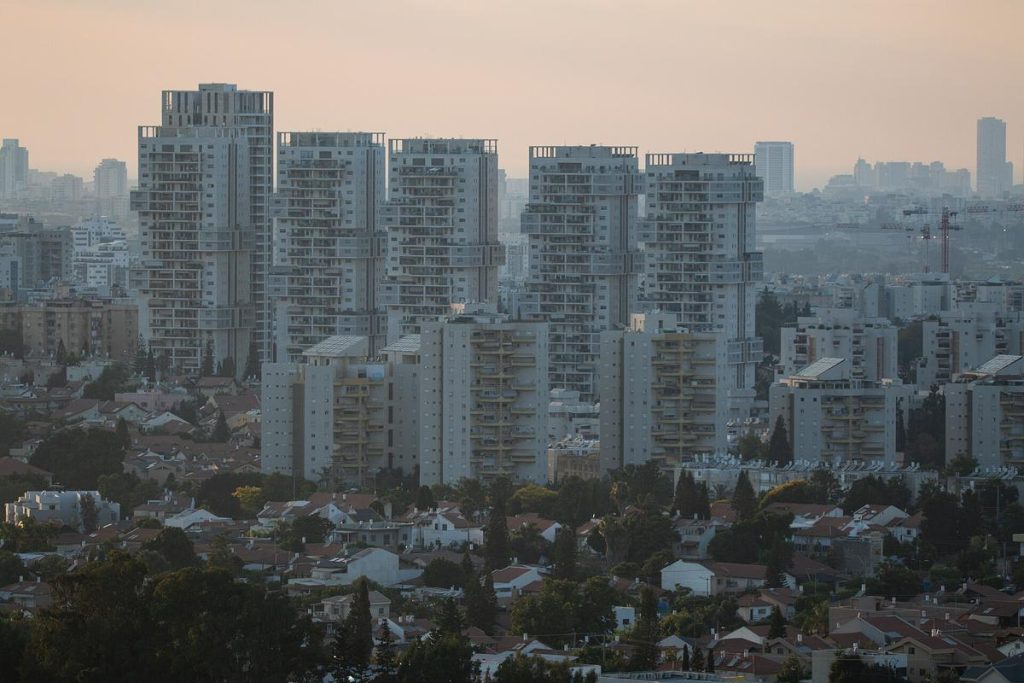
Maintaining the ventilation of the mamad relies on regular inspections of air vents and extraction motors to ensure air renewal and occupant safety. You must check the seal of the armored door gaskets, clean the filters of mechanical systems, and monitor for humidity on the walls. A technician must test the airflow to ensure the system complies with current civil defense standards in Israel.
The role of ventilation in mamad compliance
The mamad is a room designed to meet strict security standards. Its primary function is to protect occupants, which requires precise air management. Ventilation is not just for thermal comfort; it is a structural component of the room. A failing ventilation system can transform this secure space into a dangerous confined area during an emergency.
We verify the integrity of the armored door gaskets during every inspection. If the gaskets are worn or dry, acoustic insulation and airtightness are compromised. A defective seal allows dust and humidity to enter, which harms indoor air quality. We also check the presence and condition of ventilation louvers on the walls. These louvers must be free of any obstacles to allow smooth circulation.
There is a clear distinction between natural ventilation and mechanical systems. Natural ventilation, provided by specific vents and openings, is mandatory for building compliance. However, many owners install mechanical systems to improve comfort. If you decide to rent from the United States, you must ensure these additions do not block the natural airflow required by security standards.
- Verification of armored door gasket integrity to maintain airtightness.
- Checking for obstructions on wall ventilation grilles.
- Distinction between passive airflow (security standards) and active airflow (comfort).
Air renewal system inspection during a bedek bayit
When an owner wants a complete assessment of their property, we recommend performing a bedek bayit. This professional building inspection can detect problems invisible to the naked eye. Regarding mamad ventilation, the inspector must focus on critical airflow points.
We request that a professional test both incoming and outgoing airflow. Insufficient flow may indicate clogged ducts or an extraction motor reaching the end of its life. Dust accumulation in ducts specific to the mamad is a frequent problem, especially in dense urban areas like Netanya. This dust can obstruct passages and reduce air renewal efficiency.
The inspector also compares the condition of the ventilation grilles with the building’s security standards. They verify that the grilles have not been modified or obstructed by poorly managed renovation work. This step complements the study of window and mamad airtightness in Israel: the necessary inspection, as it focuses on air movement rather than insulation.
| Inspected element | Check point | Identified risk |
|---|---|---|
| Air vents | Clear passage | Obstruction by dust or paint |
| Airflow | Flow velocity measurement | Failing extraction motor |
| Ducts | Internal cleanliness | Accumulation of debris or mold |
Maintenance of electric extractors and mechanical fans
If the mamad is equipped with a mechanical ventilation system, regular maintenance is essential. These devices often run continuously or intermittently to compensate for the lack of standard windows. During periods of intense heat, these motors are heavily taxed, increasing the risk of failure.
We proceed with cleaning the blades and motors to prevent overheating. A dirty motor consumes more energy and wears out prematurely. If a filtration system is installed upstream of the mamad, we replace the filters according to the manufacturer’s recommended frequency. A saturated filter prevents air from circulating and can damage the motor through overpressure.
Verifying the system’s electrical connection is a major safety step. Fan vibrations can, over time, loosen connections or damage cable insulation, creating a short-circuit risk. A technician must inspect the dedicated electrical panel or direct connections to guarantee service continuity, especially if the system is linked to the mazgan operation.
Managing humidity and mold risks in confined spaces
The mamad is a room without operable windows, which creates an environment prone to condensation. Using the mazgan can exacerbate this phenomenon if the air is not properly renewed. The temperature difference between the secure room and the exterior often causes humidity on the coldest walls.
We monitor condensation on the mamad walls after each air conditioning cycle. If traces of moisture appear, it means the passive ventilation system is insufficient to evacuate the water vapor produced by breathing or human activity. In these cases, using dehumidifiers becomes necessary to protect the walls and electrical equipment.
If traces of mold are detected, a duct cleaning procedure must be initiated. It is not enough to clean visible surfaces; spores can lodge inside the ventilation ducts. A professional must intervene to disinfect the ducts and ensure the system does not redistribute harmful particles into the room. This vigilance is crucial to maintaining healthy air in a closed space.
Allocation of repair costs between owner and tenant
The management of ventilation-related repairs follows specific rules in Israel. The distinction is based on the cause of the degradation: is it normal wear and tear or improper use? To understand the details of this management, consult our article on Air conditioning maintenance in Israel: allocation of tenant and owner costs.
As a general rule, replacing an extraction motor or a fan is the responsibility of the owner, as it is structural equipment linked to the property’s compliance. In contrast, regular cleaning of filters and grilles is a routine maintenance task that falls to the tenant. If the motor fails due to age, the owner covers the costs. If the failure results from a lack of filter maintenance, responsibility may shift.
A specific case involves degradation due to improper use of the mazgan in a closed circuit. If the tenant uses the air conditioning without activating the mamad ventilation, it can cause extreme humidity accumulation and damage components. To secure transactions, we remind you that the shtar ’hov signed at the start of the lease does not cover maintenance repairs, but can serve as a guarantee in case of disputes regarding damage caused by abnormal use.
- Owner: replacement of motors, duct repair, security standard upgrades.
- Tenant: cleaning filters, dusting grilles, replacing thermostat batteries.
- Dispute: recourse to a professional assessment to determine the cause of the failure.
Impact of renovation work on the ventilation system
Any renovation in an apartment can impact the mamad ventilation system. Painting is a frequent example: applying paint too thickly on air vents can obstruct air passages or block moving louvers. We systematically verify that workers protect ventilation openings before starting work.
Coordination with the vaad bayit is necessary when ventilation ducts pass through the building’s common areas. If you install a more powerful new extractor, the collective ducts may not be sized for this additional flow. Therefore, you must consult the building rules to avoid disrupting neighbors’ ventilation.
After the installation of centralized air conditioning, we check the airtightness of the mamad. The installation of ducts can create micro-cracks in the walls or around door frames. It is imperative to ensure that the initial airtightness, essential for protection against gas or infiltration, has not been compromised by technical interventions.
Maintenance monitoring in remote property management
For owners residing abroad, managing mamad ventilation requires rigorous organization. We schedule an annual inspection by a specialized technician. This visit allows us to check the condition of motors, the cleanliness of ducts, and the efficiency of filtration systems, thereby avoiding costly emergency interventions.
We handle the collection and centralization of all repair invoices. These documents are essential for your mas hachnasa declaration, as certain expenses related to the maintenance of security equipment can be deducted from your rental income. Precise document management is the key to controlled taxation in Israel.
Finally, we systematically verify the compliance of the ventilation system during every change of tenant. A technical move-in inspection allows us to confirm if the system was functioning correctly at the start and if it was not neglected by the previous occupant. This ensures the new tenant has a healthy environment and that your responsibility as an owner is cleared in case of future problems.
When purchasing or renting out an apartment, always demand a professional verification of the mamad airflow. Do not settle for a visual check of the grilles. A ventilation system that looks clean can be totally ineffective if the extraction motor is seized or if the ducts are deeply obstructed.

Gestion locative en Israël pour propriétaires francophones. Bureaux à Netanya, 26 Dizengoff. Une question sur votre bien ? Écrivez-nous.