New Building Management in Israel: Maintenance Obligations Without Historical Records
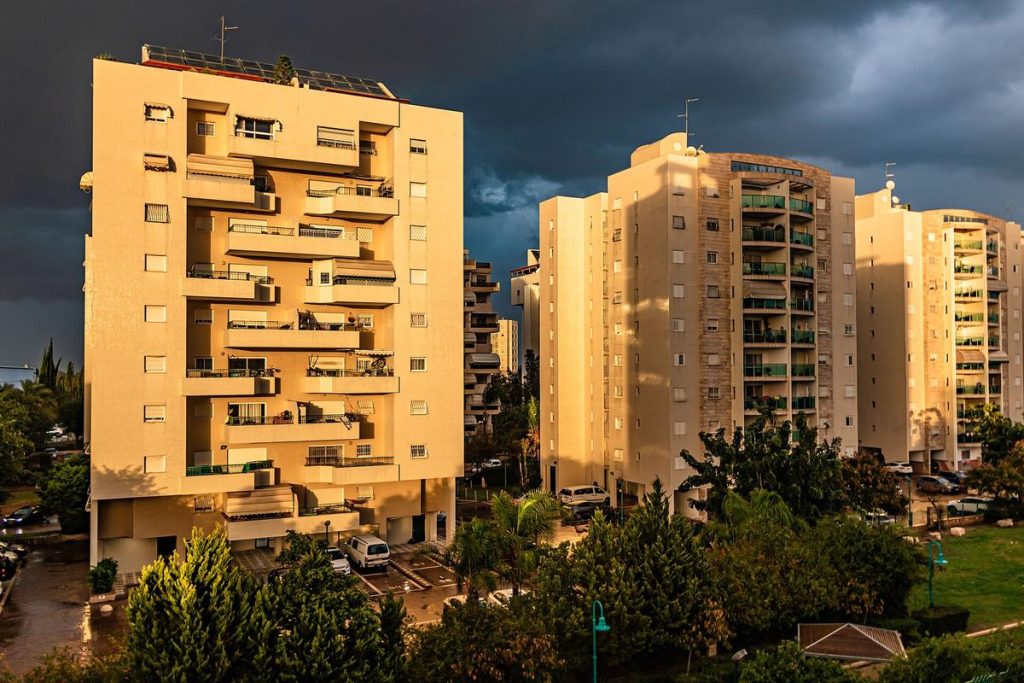
The management company has no legal obligation to maintain your new mamad if the building was just delivered. Its responsibility begins upon acceptance of the common areas. Without a maintenance history, the vaad bayit must organize an initial inspection to document the building’s condition. You remain solely responsible for construction defects with the developer, but the management company handles access to common areas. This distinction in responsibilities is key to avoiding financial dead ends.
Distinguishing between developer warranty and management company duties
In Israel, the separation between the developer and the co-ownership is strict. The developer is responsible for the structural integrity of the work during the legal warranty period. The vaad bayit, however, manages the daily life of the building once acceptance is complete. If you notice a structural defect in your new mamad, the management company is not your point of contact for requesting repairs. It cannot hold the developer liable. It manages the common area budget, not the quality of construction.
The lack of a maintenance log does not obligate the management company to cover internal repairs in your apartment. It does not replace the developer. Its role is to keep common spaces in good condition. If you contact the management company about a leak in your kitchen, it will direct you to the developer or a contractor of your choice. It will not provide quotes, unless the problem directly affects a main pipe located in the common areas.
This distinction is crucial. In the United States, a property manager might sometimes be involved with apparent defects. Here, the boundary is clear. The management company handles the present; the developer answers for the immediate past. If you have not yet signed the final deed, verify that the developer has transmitted the technical file to the vaad bayit. Without this file, the management company cannot establish a maintenance history. This creates a gray area where no one wants to pay. To understand the previous steps, consult our guide on defects in a new mamad before key handover.
Practical procedure to activate the warranty
When a defect appears in the common areas, the procedure is simple but rigorous. The owner identifies the problem. They inform the vaad bayit in writing. The management company does not contact the developer on your behalf. You must file the official claim with the developer. The management company, however, facilitates access. It arranges for a developer technician to be present in the common areas if necessary.
Consider a concrete case: water infiltration in the stairwell. You report the problem to the management company. The management company notes the incident in its records. It asks you to contact the developer to request warranty activation. The developer sends a technician. The management company ensures the technician has access to the affected zone. If the developer’s technician refuses to intervene, claiming it is a usage issue, the management company can request a joint inspection. But the right to claim remains yours.
Do not count on the management company to « manage » the dispute with the developer. It has no negotiating power over the warranty. Its role is logistical. If you let time pass, the warranty may expire. The vaad bayit can help you formalize the request, but you must push. This process differs from the United States, where a property manager might sometimes act on your behalf. Here, individual initiative is paramount.
Composition of fees in a new building
Co-ownership fees, called vaad bayit, cover the maintenance of common areas. For a new building, this budget is often higher in the first year. This is known as a break-in period. Security systems, electricity for common areas, and basic maintenance are included. You must distinguish these fees from the arnona, the municipal tax paid directly to the city hall. The arnona depends on the assessed value of your property, not the condition of the building.
The projected budget of the vaad bayit must be checked line by line. For a new building, watch out for « miscellaneous » or « contingency » items. They are often used to cover initial defects not covered by the developer’s warranty. If the developer did not leave a technical file, the vaad bayit may decide to fund an initial inspection using these funds. This is a common expense.
Verify if the fees include monitoring of the mamak or the common room. In Israel, floor security is a major expense. The budget must reflect the maintenance of the reinforced door and the access system. If these items are missing, the budget is underfunded. The vaad bayit must present an annual report. You have the right to review vendor invoices. Transparency relies on these documents, not verbal promises.
Maintenance of the doud shemesh and the mazgan
The doud shemesh, solar water heater, raises a question of ownership. Is it individual or common? In many new buildings, it is an individual installation on the terrace. In this case, maintenance is your responsibility. The management company does not intervene. If the system is centralized, maintenance falls under the vaad bayit. The lack of history requires asking the management company for the date of the last maintenance. Without this information, you risk a breakdown in winter.
The mazgan, air conditioner, follows the same logic. If it is a centralized system, the vaad bayit pays for maintenance. If it is individual, it is your responsibility. Check the co-ownership bylaws. For a new building, the developer often installed centralized systems to reduce initial costs for buyers. But maintenance then becomes a recurring expense.
If the doud shemesh is common, the management company must hire a certified professional for annual maintenance. It cannot let the installation degrade. You can demand proof of intervention. If the management company cannot provide an invoice, no maintenance was done. In this case, the vaad bayit must vote on a resolution to fund the upgrade. This is an exceptional expense. It is not included in regular fees.
Mamak security and common access
The mamak is the protected common space on the floor. Its security is the management company’s obligation. It must maintain the integrity of the reinforced door and the access system. In Israel, this is not an optional service. It is a major co-ownership expense. The difference with the United States is clear: here, floor security is managed by the co-ownership, not by individual insurance.
In case of a failure in the access control system, the management company must bring in a certified professional. Not a general plumber. A specialized technician is required. The management company must have a list of trusted vendors. If the system is defective, the vaad bayit must vote on an urgent intervention. The costs are borne by the co-ownership.
If you own an apartment without an individual mamak, you depend entirely on the common mamak. The security of this space is therefore vital. The management company must regularly check the condition of the lock and the electronics. If a resident reports a defect, the management company must act immediately. It cannot wait for the next assembly. Security is a permanent emergency.
Initial maintenance works and bedek bayit
If the developer did not leave a technical file, the management company must organize a complete bedek bayit of the common areas. This is not a legal obligation, but a practical necessity. This inspection allows establishing the condition of the premises. It covers the roof, plumbing, and electricity. The cost is shared among owners.
Works to bring common areas into compliance or repair hidden defects are the responsibility of the co-ownership. Not the single owner. Example: replacing a defective drainage pump in the basements. This is a decision by the vaad bayit, voted on by residents. The management company organizes the tender. It selects the company. It supervises the works.
Without this initial inspection, you are flying blind. You do not know if the installations are compliant. The bedek bayit provides a baseline. It allows anticipating breakdowns. It creates a history. This is often what is missing in new buildings. The developer delivers, people move in, and no one checks. The vaad bayit must take this initiative. Otherwise, the first months will be marked by unnecessary emergencies.
Intervention log and transparency
The management company must keep a log of interventions on common areas. This log is essential for resale or insurance. It lists each job, each invoice, and each date. Transmitting information to owners is mandatory. The vaad bayit must inform each unit of planned works.
The absence of a mandatory « technical inspection » as in the United States means that transparency relies on the vaad bayit minutes and vendor invoices. You have the right to request these documents. The management company must provide them. If the log is empty or incomplete, it is a warning sign. It means management is failing.
For a remote owner, this log is your only eye. You cannot check yourself. The management company must send you a monthly or quarterly summary. It must include photos of the works and copies of invoices. This transparency is the basis of trust. Without it, you are dependent on the management company’s word. Verify that this log exists before entrusting the management.
Rental management and follow-up after the deed
Once the deed is signed, the question arises: who receives the keys? Who finds the tenant? Who answers when a pipe bursts on a Friday? The management company does not manage rentals. It manages the building. Rental management is a distinct activity. It involves finding tenants, signing leases, and collecting rent.
In Israel, the lease is often accompanied by a shtar ’hov, a promissory note signed by the tenant and their arev. This document secures the rent. But daily management falls to the real estate agent or the management firm. If you are in the United States, you cannot manage alone. You need a local contact.
The management company can recommend an agent, but it does not do the management. It does not find the tenant. It does not repair your mamad. It repairs the common areas. For rental management, a separate contract is needed. This distinction is vital. The management company is your ally for the building, not for your rental investment. For full service, consult our rental management. And for the legal aspects of the transaction, read buying or selling in Israel. Finally, if you suspect a quality issue before purchase, check mold in the joints of a new mamad.
Before signing the deed, demand that the developer transmit the technical file to the vaad bayit. Without this document, the management company cannot establish a maintenance history. Also request the list of certified vendors for the doud shemesh and the mamak. This information will allow you to verify the quality of future management. Do not count on the management company to activate the developer’s warranty. Do it yourself, in writing, as soon as the first defect is observed.

Gestion locative en Israël pour propriétaires francophones. Bureaux à Netanya, 26 Dizengoff. Une question sur votre bien ? Écrivez-nous.