Penthouse Leak Flooding the Neighbor: Liability in Israel
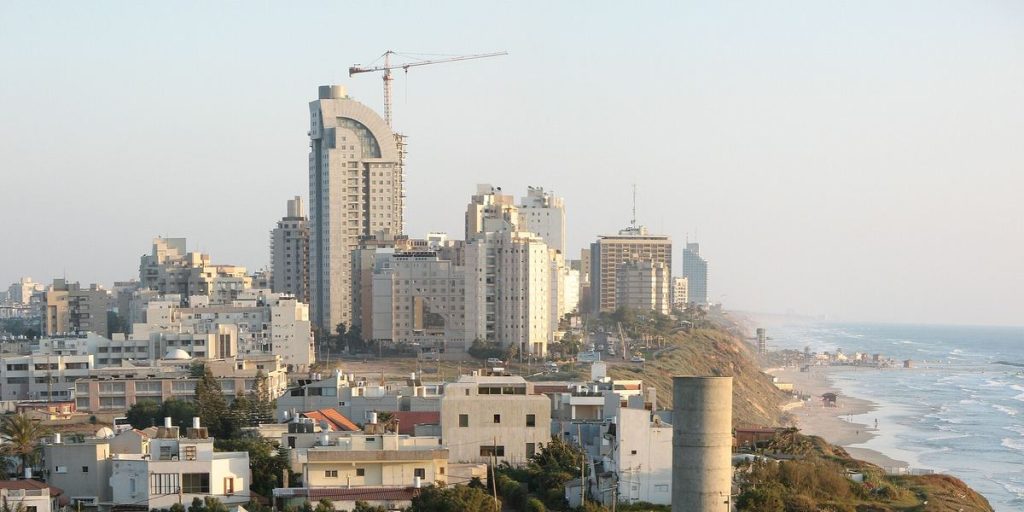
If a leak from a penthouse floods the apartment below, the owner of the upper unit is liable under Israeli civil law. The owner must cover the cost of repairing damage to the lower floors, whether they are the resident or the landlord. The process relies on immediate technical inspection, a claim to the insurer, and strict coordination with the building association to avoid financial disputes.
Owner liability and the role of the vaad bayit
In Israel, the distinction between private property and common areas is fundamental for determining who pays. If the leak originates from a pipe inside the penthouse apartment, the liability falls exclusively on the owner of that unit. Conversely, if the source is in a shared pipe running through the building, the vaad bayit (building committee) assumes the cost. This boundary is often unclear in the early stages of a claim. The penthouse owner has a legal obligation to repair the damage caused to the neighbor below, regardless of insurance. Israeli civil law requires full compensation for the damage, including loss of use of the affected apartment if the tenant must temporarily vacate the premises.
The vaad bayit acts as a mediator and coordinator, not a judge. It is often the committee that triggers emergency intervention by contacting the building’s technical services. It then validates the choice of contractors if the work affects common areas or if access requires a general water shutoff. The penthouse owner cannot ignore requests from the vaad bayit without risking administrative sanctions or blocked work. In our practice, we manage this interface on behalf of our clients. We inform the vaad bayit of the situation, provide the insurer’s contact details, and coordinate access to the site. This avoids frequent misunderstandings between an owner residing abroad and a local building committee that may not speak the owner’s language. Transparency is key to maintaining a functional relationship with neighbors and the building association.
Establishing proof: the bedek bayit inspection
There is no mandatory pre-sale or pre-rental inspection system in Israel, unlike in some other countries. This absence makes the bedek bayit (building inspection by a professional) crucial in the event of a claim. Without a written and dated report, proof of the leak’s origin and the extent of the damage relies on word of mouth. In a dispute, a simple oral testimony is insufficient. The penthouse owner must have the facts verified by a qualified professional as soon as the leak is discovered.
The choice of expert is decisive. The expert must be independent, meaning they have no financial ties to the owner’s insurer or the damaged neighbor. An expert appointed by the insurer may have an interest in minimizing the damage to reduce the payout. We recommend hiring a certified engineer or plumber, chosen by mutual agreement by both parties or appointed by the vaad bayit in case of disagreement. The report must be exhaustive. It should include dated photos of the leak, the precise location of the source (joint, pipe, tank), and a quantified estimate of damage to the ceilings, walls, and floors of the lower floor. This document will serve as the basis for the insurance claim and, in the absence of an amicable settlement, as key evidence in civil court.
Insurance claim: specifics of the Israeli market
The insurance market in Israel clearly distinguishes between home insurance (which covers damage to the insured property) and owner’s liability insurance (which covers damage caused to others). A penthouse owner must verify whether they carry a liability insurance policy. This coverage is what will pay for the repairs to the apartment below. Home insurance alone does not cover damage caused to neighbors. The claim should be filed quickly, ideally within 24 to 48 hours of discovering the damage. Local insurers require precise supporting documents: the inspection report, photos, and often a copy of the teoudat zeout (ID card) or the lease agreement if the property is rented.
A critical point concerns negligence. If the insurer proves that the leak was due to a lack of maintenance, for example, a doud shemesh (solar water heater) with cracked seals left unrepaired for months, coverage may be denied or reduced. The insurer may require proof of regular maintenance. We advise owners to keep invoices for annual maintenance of their equipment. If in doubt about coverage, it is possible to consult a local broker to verify the exact clauses of the contract. The insurer often appoints an expert of their choice to assess the damage. This assessment amount will serve as the basis for the settlement. If the proposed amount is lower than the contractors’ quotes, the owner must contest this amount with additional supporting documents.
Managing emergency work: who intervenes and how
Urgency takes precedence over procedure. The first priority is to stop the leak to prevent further damage. The penthouse owner has an obligation to limit the damage. This may involve shutting off the water to the apartment or calling an emergency plumber immediately. We often intervene to organize this shutoff and the initial assessment. The choice of contractor for emergency work is sensitive. Using a professional affiliated with the vaad bayit or one verified by the committee facilitates access to the site and avoids neighborhood conflicts. Neighbors below may refuse entry to an unknown person in their apartment if work is necessary. The presence of a vaad bayit representative during the intervention helps reassure the occupants of the lower floors.
Coordination with tenants on the lower floors is essential. If the apartment below is rented, the landlord of that apartment must be informed. The tenant has the right to be present during work in their home. We manage communication with tenants to set intervention times. It is crucial to document every step. Photos before, during, and after emergency work must be archived. If the penthouse tenant is present, they must authorize access for the contractors. In the absence of a quick response from the owner residing abroad, we make necessary emergency decisions to protect the property’s interest and avoid worsening the damage.
Financial dispute: from quote to invoice
Once the work is completed, the question of payment arises. The damaged neighbor or their landlord will invoice for the repairs. The amount of this invoice must be validated. The penthouse owner should not pay an invoice without verifying the conformity of the work and the fair price. We compare invoices to initial quotes and local market standards. The insurer often intervenes to pay contractors directly, which simplifies management. However, if the insurer refuses to cover part of the costs, the owner must assume this difference.
In case of disagreement on the amount, the vaad bayit may attempt to mediate. If this fails, the dispute may go to civil court. Before initiating legal proceedings, it is possible to hire a judicial expert to reassess the damage. This process is long and costly. We prefer amicable negotiation based on inspection reports. The owner must keep all invoices and correspondence. In the event of a future sale of the penthouse, proof that the claim was properly managed and repaired is an asset. An incomplete file may worry a buyer. We archive all documents related to the claim in the property file.
Post-work follow-up: ensuring the stability of the mamad and structures
Repair work is not limited to patching a hole in the neighbor’s ceiling. Moisture may have penetrated the structures of the penthouse itself. It is essential to verify the integrity of the mamad (safe room) and electrical wiring exposed to moisture. Water can corrode electrical circuits, creating a fire risk. A complete electrical inspection of the penthouse must be performed after the incident. The walls and ceilings of the penthouse must be inspected to detect any mold or weakening of materials.
The final check is crucial. A new inspection must be performed a few weeks after the work to ensure there is no recurrence of the leak. The initial leak may reappear if the root cause has not been treated. We organize this check with an independent professional. Closing the file involves archiving all reports, photos, and invoices. These documents are kept in the property management file. They will serve as proof in case of a future sale or rental. A transparent maintenance history reassures future tenants or buyers. We also inform the vaad bayit of the file closure to close the matter in the building’s records.
Prevention and maintenance: avoiding recurrence
The best management of water damage is prevention. Penthouses are often equipped with terraces, doud shemesh, and complex mazgan (air conditioning) systems. These equipment require regular maintenance. A failing window seal or a clogged drainage pipe can cause a slow infiltration that eventually floods the lower floor. We recommend annual maintenance of plumbing and roofing systems. This maintenance must be documented by invoices. In the event of a sale, these proof of maintenance increases the perceived value of the property. They demonstrate that the owner has taken care of the property.
Monitoring leaks in common areas is also a subject of vigilance. If the leak comes from a shared pipe, liability is shared. To understand who pays in case of a leak in common areas, we invite you to consult our dedicated article: Leak in common areas: who pays in Israel?. Similarly, if the leak affects the penthouse terrace, the rules of liability are specific. Our article Penthouse terrace leak in Israel details these aspects. Prevention reduces the risk of costly disputes. We integrate these checks into our property management for our clients. A well-maintained property generates fewer claims and therefore fewer unexpected costs.
In case of a leak, do not delay. Contact us immediately to organize the bedek bayit inspection and the insurance claim. Speed of action is the determining factor to avoid worsening damage and financial disputes with neighbors and the vaad bayit.

Gestion locative en Israël pour propriétaires francophones. Bureaux à Netanya, 26 Dizengoff. Une question sur votre bien ? Écrivez-nous.