Short-Term Furnished Apartment Rentals: Authorization in Jerusalem
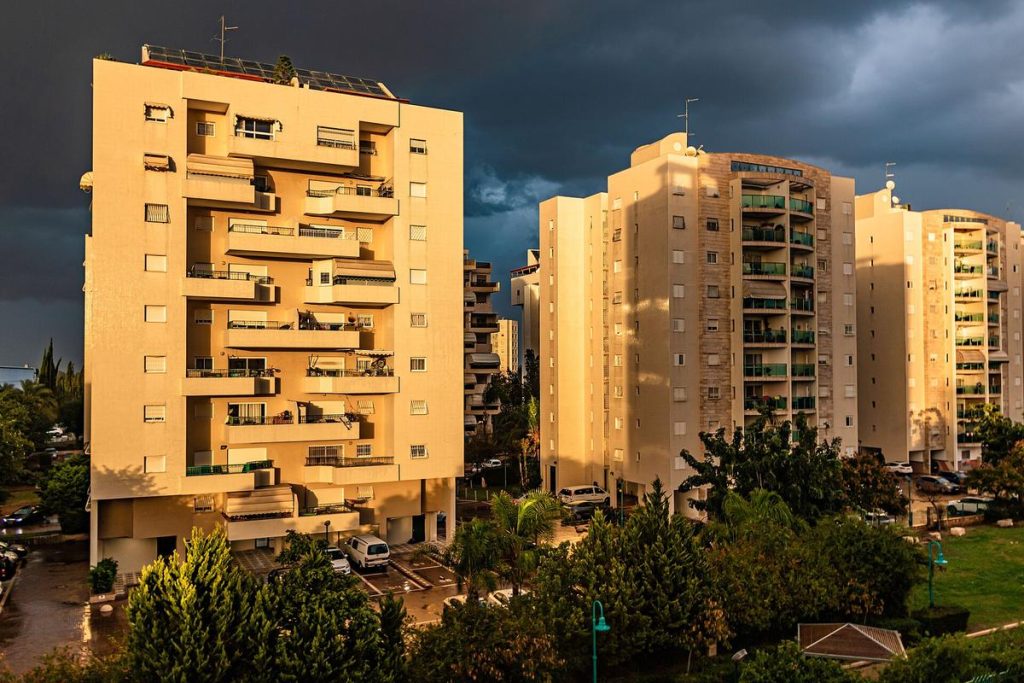
Renting out a furnished apartment for short-term stays in central Jerusalem without specific authorization is legally risky and often illegal. Unlike the United States, where short-term rentals are a well-defined category, Israel distinguishes between residential use and commercial operation. Without a tourism operating license and the consent of the vaad bayit, you expose your property to fines and a shutdown of activity. The short answer is: no, you cannot do this freely.
The legal distinction between « furnished » and « hotel » in Jerusalem
In Israel, the term « furnished » has no independent legal value. It triggers no specific tax regime and no specific declaration obligation. What matters is the nature of the activity. The Jerusalem Municipality and the Ministry of Tourism classify the activity based on two criteria: the frequency of guest turnover and the nature of the service provided. If you rent to tourists for short periods, you are operating a hotel business, even if the apartment is a residential unit according to the tabou (land registry).
The line is thin. A three-month lease for an expatriate is residential. A seven-day rental for a family on vacation is commercial. The administration does not look only at the duration. It examines the method of marketing. If you use online platforms to find individual clients, you operate like a hotel. A stay of less than thirty days is not the magic threshold. It is the repetition of these brief stays that transforms your apartment into a lodging establishment.
This distinction has immediate consequences. Residential use follows the rules of a standard lease. Commercial use follows the rules of tourism operations. Confusing the two exposes the owner to legal action. The city may reclassify the activity. The Ministry of Tourism may require a retroactive license. There is no tolerated « gray area. » If you rent by the night, you are a hotelier in the eyes of the law, regardless of the furniture in the rooms.
The obligation of an operating license (Machir) for short stays
To legally operate a short-term apartment in Jerusalem, you must obtain a tourism operating license. This document is issued by the local tourism department, in coordination with the city hall. The procedure is administrative and technical. It is not a simple declaration. You must prove that the building meets safety standards.
The strictest requirement concerns fire safety. Each rented unit must have a mamad (safe room) or, failing that, the building must be equipped with a mamak (protected common space on the floor). These features are mandatory for any lodging establishment. They are not required for a standard residential home. If your building in central Jerusalem does not have an individual mamad, the license will be refused, unless a compliant mamak exists. This is a systematic checkpoint.
In the United States, local ordinances often impose limits on the number of rental days and require permits. In Israel, a commercial activity license takes precedence. Without it, the rental is illegal. Administrative fines are heavy. The city can order the immediate closure of the activity. The status of the building changes nothing. Even if the apartment is declared residential in the tabou, tourism operations without a license are an infraction. The process to obtain the license is long and costly. It involves inspections by firefighters and safety technicians.
The central role of the vaad bayit and usage restrictions
Before even thinking about the municipal license, you must consult the vaad bayit (condominium association). In the majority of residential buildings in Jerusalem, the bylaws prohibit the commercial use of units. This statutory clause takes precedence over the individual right of the owner. You cannot turn your apartment into a guest room if the neighbors have voted to prohibit it.
The difference with the United States is significant. In the US, a homeowners association can limit activity, but a total ban is less common and subject to strict conditions. In Israel, a simple clause in the bylaws makes the activity impossible. The consent of the co-owners is often required for any change in use. You must check the decision records of the vaad bayit before investing. If a resolution prohibits tourist rentals, you are blocked.
This constraint is frequent in central Jerusalem, where density is high and buildings are old. Residents fear noise, wear on common areas, and security issues. The vaad bayit has the power to refuse the installation of specific equipment or limit access. If you are considering investing in Israel for short-term rentals, this step is decisive. A refusal from the vaad bayit kills the project, regardless of any municipal license obtained. Check the minutes. Ask if exemptions have been granted in the past. The absence of precedent is a bad sign.
The shtar ‘hov and financial security against tourism risk
The financial risk is high in short-term rentals. Tourist guests stay for a short time. The risk of non-payment or damage is higher than with an annual lease. In Israel, the main tool for security is the shtar ‘hov (promissory note). This document is a signed acknowledgment of debt by the tenant. It is not paid at the signing. It serves as a guarantee in case of dispute.
For short stays, we systematically require a shtar ‘hov accompanied by an arev (guarantor). The guarantor is an individual who agrees to pay if the tenant does not. This mechanism is not insurance. It is a tool for rapid recovery. In case of damage, you can seize the shtar ‘hov and present it to the court. The process is faster than a standard civil liability lawsuit.
In the United States, rental guarantees are regulated by law. Security deposits are limited. In Israel, the negotiation of the shtar ‘hov is flexible. You can define the amount of the debt and the repayment conditions. For a foreign tenant, finding an arev residing in Israel is difficult. This is where professional management intervenes. We negotiate these documents with platforms or tenants. Without a shtar ‘hov, you are exposed. The risk of not being reimbursed in case of a sudden departure is real. This document is the only solid legal protection you can obtain in this context.
Specific taxation: arnona and income tax
The taxation of short-term rentals is complex. The arnona (municipal property tax) remains due. It is linked to the existence of the home, not its use. You pay it to the city, even if the apartment is empty or rented short-term. Do not count on an exemption.
Income from tourist rentals is taxable as commercial income. It does not fall under the simplified regime for rental income. You must declare this income to the reshut ha-misim (tax authority). If your turnover exceeds the threshold set by law, you must obtain a VAT number. The distinction between commercial activity and residential rental has major implications. In the United States, the micro-business regime simplifies filing. In Israel, the classification as a commercial activity obliges you to keep more rigorous accounting.
You must deduct actual expenses: maintenance, vaad bayit fees, arnona, management fees. The tax authority is strict on traceability. Each expense must be justified by an invoice. If you rent via a platform, financial flows must be clear. Failure to declare can lead to penalties and a retroactive reassessment of the tax. Taxation is a constant point of vigilance. It is not managed automatically. It requires accounting adapted to the commercial nature of the activity.
Legal risks and liability in case of dispute
Legal risks are direct. A complaint from neighbors regarding noise or security can trigger a city intervention. Without a license, administrative closure is the logical consequence. Fines are heavy. The owner is responsible for damages caused by their tourist tenants. You cannot escape this responsibility through a simple management contract.
If a tenant damages the mamad or the doud shemesh (solar water heater), you are the first responsible party to the vaad bayit. You must repair it. Then, you can recover the costs from the tenant via the shtar ‘hov. But during the procedure, you pay. The absence of a license worsens the situation. It proves that you knew the activity was irregular. Liability is quasi-criminal in some cases of gross negligence.
Disputes with neighbors are frequent. Noise, comings and goings, and the presence of unknown people in the building generate tension. The vaad bayit can vote a resolution to restrict access or require changes in behavior. These decisions are imposed on you. You cannot easily contest them if they are voted within the framework of the bylaws. Social and legal pressure is constant. You must anticipate these conflicts. Proactive management is essential to avoid escalation.
Key management, tenants, and emergencies: daily life after the deed
Once the deed is signed, reality sets in. Who receives the keys? Who finds the tenant? Who answers when a pipe bursts on a Friday evening? These questions do not resolve themselves. If you reside in the United States, you cannot physically manage check-ins and check-outs. Online platforms manage the booking, but not the emergency.
We manage the receipt of keys and their handover to tenants. We find tenants through our channels, verifying their reliability. We respond to emergencies. If a mazgan (air conditioner) breaks down, we intervene. If a neighbor complains about noise, we negotiate. This local presence is critical. You cannot be in Netanya and Jerusalem at the same time. Distance creates a vacuum that the tenant exploits.
Our role is to make the link between you, the vaad bayit, and the tenant. We verify the condition of the property before and after. We manage disputes. If you wish to understand the subtleties of relations with the association, read our article on The association refuses the installation of your air conditioning in Netanya: what to do?. Similarly, if you are considering selling, you must know the rules of Terminating the lease before the resale of a furnished apartment in Netanya. Rental management is not an option. It is an operational necessity. our rental management covers these concrete aspects, from cleaning to billing, including security.
Before incurring costs for a short-term rental in Jerusalem, verify three points: the existence of a mamad or mamak, any prohibition in the bylaws of the vaad bayit, and the feasibility of obtaining the tourism license. Without these three elements, the project is doomed to fail. Taxation and legal risks make professional management indispensable for an owner residing abroad.

Gestion locative en Israël pour propriétaires francophones. Bureaux à Netanya, 26 Dizengoff. Une question sur votre bien ? Écrivez-nous.