Managing a water leak between neighbors in Beer Sheva
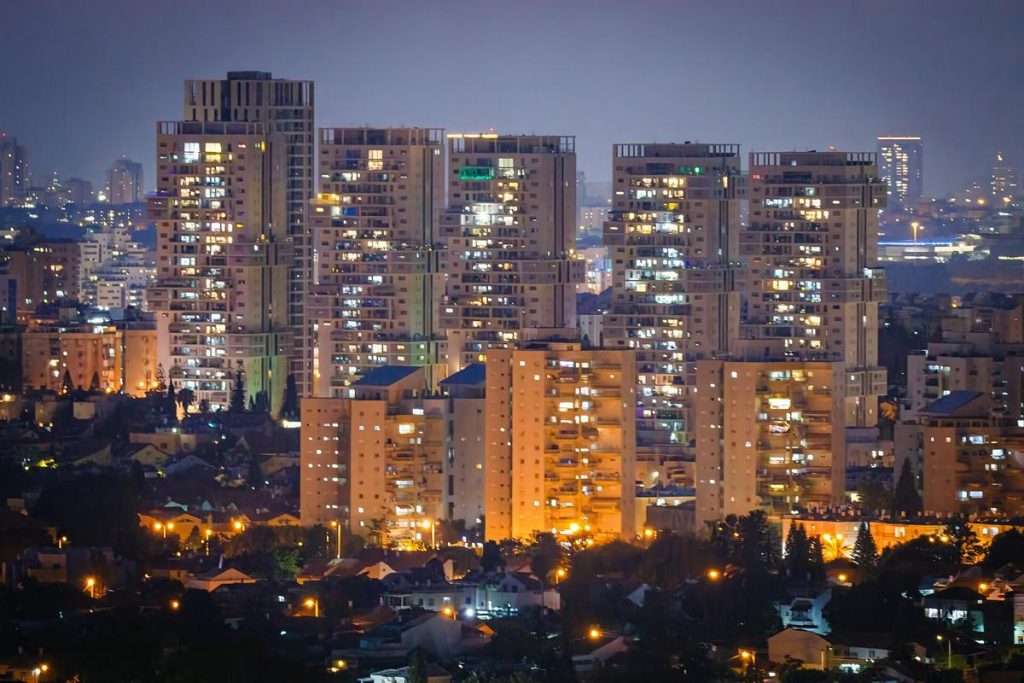
Managing a water leak between neighbors in Beer Sheva requires immediately identifying whether the source is a private pipe or a common vertical riser. Once the source is located, you must request intervention from the vaad bayit for common areas or contact the responsible neighbor’s liability insurance for damages caused. The repair and reimbursement procedure depends on the technical distinction between the building’s network and the apartment’s interior installations.
Identifying the source of the leak between private and common areas
The first step is to precisely locate the point of failure. In Beer Sheva, as in many southern cities, the age of buildings can vary significantly, influencing the nature of the networks. You must distinguish the responsibility of the vertical riser, which constitutes a common area, from that of the interior pipes, which fall under the private portion of the apartment in question.
To do this, we request a plumber to perform pressure tests. If the leak is located in the main riser serving several floors, the cost of repair is the responsibility of all co-owners via the building budget. If the leak comes from a pipe located after the apartment meter or from an internal connection, the unit owner is responsible.
- Consult the local homeowners’ association rules to define the management limits of common areas.
- Have a professional verify if the leak stems from a lack of waterproofing under the tile or from shower joints.
- Check the condition of the doud shemesh to rule out a leak related to the solar water heating system, often located on the roof with pipes running down through technical shafts.
- Inspect the junction areas between sanitary fixtures and walls, where joint wear is frequent.
In the case of an inheritance, managing these incidents can prove complex if the heirs are not on-site. To understand how to stabilize the situation in this context, consult our article on How to organize the management of a property received through inheritance from abroad?.
Responsibilities and management of the vaad bayit during a claim
The vaad bayit is the body that manages the common areas of the building. In Beer Sheva, the structure of the vaad bayit often differs from the large management companies found in Tel Aviv. In medium-sized buildings or small structures, there is not always a professional management firm. Management is often handled by a resident or a committee of neighbors who manage the funds collected for maintenance.
If the incident impacts collective infrastructure, such as a main water riser, you must contact the vaad bayit manager to initiate repairs. If the leak threatens the building structure or the foundations, demand immediate intervention. The vaad bayit must then decide if the work is funded by the reserve fund or if it requires a special assessment from the co-owners.
| Type of piping | Maintenance responsibility | Funding source |
|---|---|---|
| Vertical riser (main) | vaad bayit | Common budget of co-owners |
| Interior pipes | Apartment owner | Owner’s personal funds |
| External connections (street) | Municipal authorities | City budget |
The absence of a professional management company in certain Beer Sheva buildings means that communication with the vaad bayit representative may be less formalized. It is necessary to maintain written records of your exchanges for any future claims.
Reporting and processing with Israeli home insurance
In Israel, managing claims relies on the coexistence of two types of coverage. There is the building insurance, managed by the vaad bayit, and individual home insurance, taken out by each owner and tenant. To handle a leak, you must verify the validity of both the tenant’s and the owner’s insurance policies.
If the leak is caused by negligence or a lack of maintenance in a neighbor’s apartment, that neighbor’s liability insurance must cover the damages caused to your apartment (walls, ceilings, furniture). The distinction is as follows: building insurance covers damage to common areas, while individual insurance covers damage caused by an occupant to a third party or damage suffered by the occupant themselves.
To build a solid claim file, we collect the following documents:
- The plumber’s technical intervention report identifying the exact cause.
- Dated photographs of the observed damage.
- Invoices for the repair of material damage.
- A written statement from the professional who performed the inspection.
This procedure is a central element of our property management, as an error in reporting can lead to a refusal of coverage by the reshut ha-misim or the insurer.
Managing the impact on the tenant and rent maintenance
A water leak can quickly degrade a tenant’s living conditions. If water infiltrates the mamad, the apartment’s secure room, or makes a bedroom unusable, the legal situation changes. A tenant may be tempted to withhold rent, a risky practice that requires mediation.
To evaluate a potential rent reduction, use the following method: calculate the proportion of the living area that has become unusable relative to the total area of the dwelling, and apply this ratio to the monthly rent amount for the period of unavailability. This reduction must be documented in writing to avoid any disputes regarding future payments.
We also monitor that repairs do not affect the use of essential equipment such as the mazgan or the heating system. A leak can sometimes damage electrical circuits related to air conditioning. To prevent these situations from escalating, we advise you to consult our guide on Property Maintenance and Emergencies in Israel: A Remote Landlord’s Guide.
Communication with the tenant must be direct. Do not allow the tenant to decide alone to suspend rent without a written agreement or a court decision, as this could compromise compliance with the lease agreement and guarantees such as the shtar ’hov.
Technical repairs and post-intervention checks
Once the source of the leak is identified and responsibility is established, the repair stage begins. We organize a plumber to replace defective pipes or redo waterproofing. It is not enough to fix the leak; we must ensure the issue is completely resolved before closing walls or replacing tiles.
After the work is completed, we perform a building inspection (bedek bayit) to validate the resolution of the problem. This step involves having a professional confirm that sensitive areas, such as window frames, sanitary fixtures, or tile junctions, are once again perfectly watertight.
We also verify that the work has not degraded the safety elements of the home. For example, if an intervention required drilling through the walls of the mamad, we must ensure that structural integrity and intrusion protection are not compromised. A visual check of electrical installations after a water leak is also essential to prevent future short circuits.
Cost recovery and dispute management between neighbors
The final phase is the recovery of costs. If the neighbor is responsible, you must use the expert or plumber’s report to demand reimbursement for the restoration costs. If the neighbor refuses to cover the damages, the recovery process in Israel can be lengthy. Unlike in some other countries, there is no automatic third-party mediator or mandatory local conciliator to quickly arbitrate small neighborhood disputes.
To limit risks, we systematically compare repair quotes to ensure they comply with local standards and to avoid overcharging. If the dispute persists, it may be necessary to seek action in court or hire an attorney to initiate recovery proceedings based on civil liability.
Here are the elements to compare when receiving quotes:
- The nature of the materials used (compliance with Israeli plumbing standards).
- The duration of the warranty offered on the repair.
- The detail of services (tile removal, moisture treatment, replacement, etc.).
- The presence of a liability clause in case of new damage during the work.
In the event of a major leak in Beer Sheva, document every step with photos and invoices. Do not allow a tenant to suspend rent without a written agreement based on the actual unusable area, in order to protect your rights as an owner.

Gestion locative en Israël pour propriétaires francophones. Bureaux à Netanya, 26 Dizengoff. Une question sur votre bien ? Écrivez-nous.