Penthouse Terrace Usage Clause in Israel
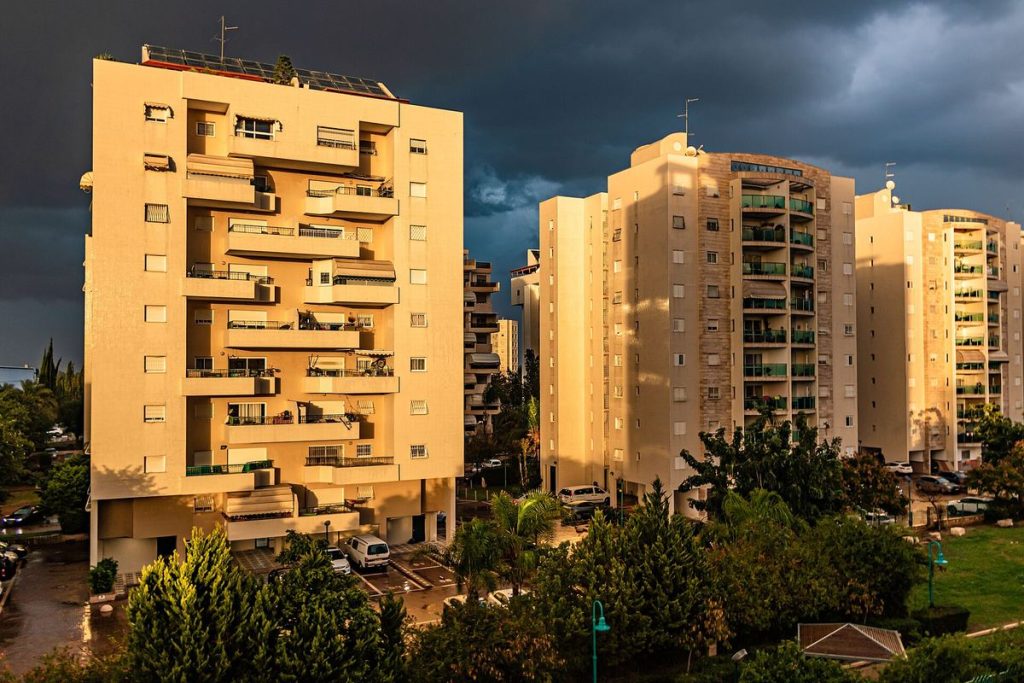
Drafting a lease for a penthouse requires precisely defining the legal nature of the terrace and the rooftop. You must distinguish between the exclusive use of private property and transit areas managed by the vaad bayit. The contract must specify who bears the maintenance costs for technical equipment, noise regulations regarding neighbors, and repair procedures in the event of damage to surfaces or railings.
Defining the boundary between private space and vaad bayit
The first step is to verify the nature of the terrace by consulting the tabu. In Israel, a terrace can be a private part attached to the apartment or a common area reserved for certain residents. This distinction radically changes the allocation of expenses. If the terrace is listed as a private part in the property title, the tenant is directly responsible for its management. If it is considered a common area, its maintenance falls under the vaad bayit.
We advise including a clause that specifies the exact boundary between the penthouse living space and the building’s circulation areas. A penthouse tenant may need to cross a common area to access their own rooftop. It is necessary to define who is responsible for cleaning the railings and transition zones. If cleaning exterior glass is a building task, the tenant should not be held responsible. Conversely, cleaning the floors of a private terrace is the tenant’s responsibility.
The following table summarizes the typical allocation of responsibilities based on the nature of the space:
| Element | Private Terrace (Property Title) | Rooftop/Common Terrace (Reserved Use) |
|---|---|---|
| Floor maintenance | Tenant | vaad bayit |
| Railing cleaning | Tenant (if attached to private part) | vaad bayit |
| Pipe repairs | Owner (wear and tear) / Tenant (usage) | vaad bayit |
| Lighting of transit areas | vaad bayit | vaad bayit |
Regulating technical installations: mazgan and doud shemesh
Penthouses in Israel often feature technical installations on the roof. The doud shemesh (solar water heater) is a standard element. The lease must provide for access procedures for maintenance. If a leak occurs in the water heater, a technician will need to access the terrace. We recommend stipulating that the tenant must allow this access without hindrance, while specifying that repairs related to the age of the device remain your responsibility. To learn more about water-related damage, consult our article on Penthouse terrace leaks in Israel: who pays for repairs?.
Regarding the mazgan (air conditioner), exterior units are often placed on the terrace or rooftop. The contract must prohibit the tenant from installing new units without your written consent. Adding an extra air conditioner can change the building’s electrical load or damage the floor’s waterproofing. We verify the condition of existing air conditioning supports during the move-in inspection to avoid future disputes.
A critical point concerns rainwater drainage. Poor management of slopes or obstructed drains on the terrace can lead to massive leaks in living areas, including the mamad. The tenant must ensure that drains are not blocked by objects or debris. The lease must mention the prohibition of modifying existing drainage systems.
Managing nuisances and neighbor rights in Israel
Using a terrace or rooftop exposes the owner to complaints from other residents. In Israel, building regulations can be more restrictive than a tenant might imagine. The lease should include a clause requiring the tenant to respect the building’s quiet hours. Outdoor gatherings must not turn the penthouse into a permanent source of noise for neighbors living below or to the sides.
The use of outdoor kitchen equipment is a frequent source of conflict. If the tenant wishes to use a barbecue or a griddle on their terrace, the lease must specify the conditions. Cooking smoke can seep into neighboring apartments or ventilation systems. We recommend regulating the use of this equipment: for example, by prohibiting charcoal in favor of gas, or by imposing specific cooking hours.
If the rooftop is a common area with reserved use, the vaad bayit regulations take precedence. The tenant must be informed at the time of signing that their right of use is subject to following collective rules. This includes waste management (not leaving bottles or leftovers on tables) and the prohibition of using the terrace as a storage area for bulky equipment.
Responsibilities in case of damage during a bedek bayit
Upon move-in, we conduct a thorough inspection of exterior surfaces. While there is no standardized procedure required by law, it is highly recommended to hire a professional for a building inspection (a bedek bayit) tailored to a penthouse. This inspection allows for noting the condition of tiling, sealant joints, and railings. In the event of an incident, such as a leak or a crack, the reporting procedure must be immediate.
The tenant must be informed of their obligation to report any structural defect found on the roof. A crack in the terrace surface can be a sign of a deeper waterproofing problem. To ensure coverage for these risks, the tenant signs a shtar ’hov (promissory note) and often provides an arev (guarantor). The shtar ’hov allows you to claim reimbursement for repairs if the tenant has damaged fixed terrace equipment through proven negligence.
If there is doubt regarding the origin of damage, we recommend having the facts verified by an expert (a contractor or specialized engineer). This helps distinguish between repairs due to normal wear and tear (the owner’s responsibility) and repairs due to improper use (the tenant’s responsibility). To understand the limits of your liability, read our article on Penthouse terrace security in Israel: owner responsibility.
Management of expenses and arnona related to exterior surfaces
The terrace surface area affects the calculation of the arnona (municipal tax). Israeli municipalities calculate this tax based on living space and annex areas. If the terrace is developed (covered terrace, pergola, hard surface), it may increase the tax base. The lease must clarify whether the tenant reimburses the full arnona or if a split is made. Generally, the tenant pays the arnona related to their occupancy.
Watering green spaces or planters on the terrace generates water consumption. In Israel, water is a significant expense. The lease must specify who bears the cost of water for plant maintenance. If the penthouse has an automatic irrigation system, the consumption costs should be included in the rental charges.
The management of exterior fixtures (blinds, rolling shutters, window frames) is also a point of friction. These elements are subject to weather and salt if the penthouse is near the coast. The lease should distribute responsibilities: the tenant handles routine maintenance (cleaning blinds, checking mechanisms), while the owner handles the replacement of elements in case of technical failure or material aging.
Security and compliance of railings and access
Rooftop safety is an absolute priority in Israel due to fall risks. Railings must meet current height and strength standards. The owner is obligated to ensure that barriers are compliant. However, the tenant must under no circumstances modify anchor points or attempt to reduce the height of a barrier to improve their view. Any unauthorized modification involves their civil and criminal liability.
We verify the stability of secure access points, particularly doors leading from the living room to the terrace. If the tenant uses heavy furniture or massive gardening equipment, they must ensure they do not compromise the integrity of the support structures. The lease must stipulate that the tenant is responsible for the safe use of outdoor spaces.
For the peaceful management of your property, we suggest delegating these technical aspects. Our property management includes monitoring move-in/move-out inspections and verifying the compliance of installations. We manage the connection with service providers for emergency repairs on terrace elements, ensuring your asset remains protected against improper use.
Before signing the lease, request a copy of the building regulations to verify that the use you authorize for the tenant does not violate decisions already made by the vaad bayit.

Gestion locative en Israël pour propriétaires francophones. Bureaux à Netanya, 26 Dizengoff. Une question sur votre bien ? Écrivez-nous.