Renovating an Apartment Kitchen in Beer Sheva: Key Steps
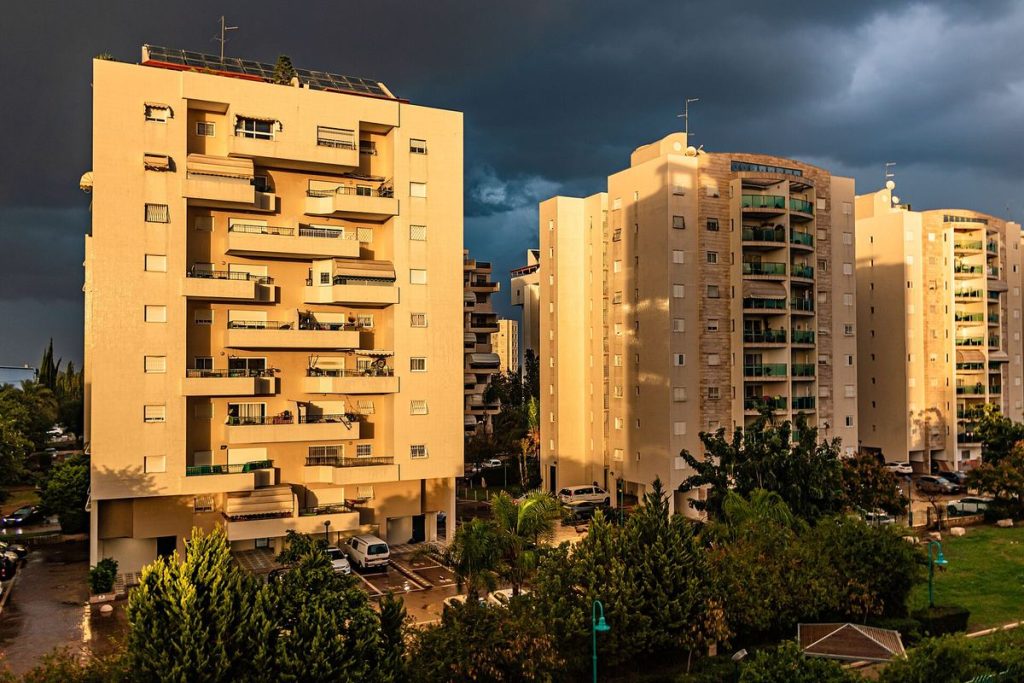
To renovate a kitchen in Beer Sheva, you must first verify the compliance of the architectural plans filed with the municipality to avoid modifying the building’s structure or the integrity of the mamad. The second step involves having a professional check the water pressure and the electrical capacity to support new appliances. Finally, coordination with the vaad bayit is essential to manage noise and the removal of debris from the building.
Verify plan compliance and mamad usage during restructuring
Any modification to a kitchen layout in Beer Sheva requires a prior consultation of the architectural plans archived at the municipality. In many buildings in the city, the kitchen is located immediately adjacent to the mamad, the secure room. If your renovation project involves removing a wall to expand the preparation area, you must ensure that this wall is not a structural wall or a protective wall related to the secure room. Altering the structure of the mamad without authorization can lead to major complications during a resale or a compliance inspection.
Consult the plans to identify structural reinforcement zones. In older buildings in the Negev, wall thickness and the layout of load-bearing columns are critical. Moving a sink or a dishwasher must respect the original drainage plan. Modifying the building’s main vertical pipes is strictly prohibited and can cause leaks for neighbors below. If you are considering changing the location of water inlets, compare your project with the original plumbing plans to limit heavy interventions on the building’s structure. To understand the broader legal implications of this work, consult our article on the subject: Kitchen renovation in an Israeli apartment: rules and technical constraints.
- Consult the architectural plans filed with the municipality to check if moving a kitchen wall impacts the structure or the mamad.
- Verify if the kitchen is located in a structural reinforcement zone that prohibits any modification to wall thickness.
- Ensure that the drainage for the new kitchen respects the original plan to avoid touching the building’s main vertical pipes.
Identify building-specific gas and water networks
The energy and water distribution network in Beer Sheva has specificities related to local urban planning. Before ordering your appliances, contact the gas provider to determine if your kitchen is connected to a collective installation or an individual meter. This distinction directly influences the type of cooktops you can install. A collective connection often imposes restrictions on the maximum power allowed per housing unit.
Water pressure is a major point of vigilance, particularly in older neighborhoods of Beer Sheva where pressure can fluctuate depending on the floor and the time of day. Have a professional measure the actual pressure at the faucet before choosing sensitive faucet or dishwasher models. If the renovation involves a complete change of piping, plan for the location of the doud shemesh. Solar water heating is the standard in Israel, and any modification to the hot water supply must be compatible with this rooftop thermal production system. A poor installation can reduce the efficiency of the solar system or cause leaks in the vertical distribution network.
- Contact the local gas provider to verify if the kitchen is connected to a collective or individual installation.
- Have a professional verify the water pressure, which is often variable in older Beer Sheva buildings.
- Plan the location of the doud shemesh if the renovation includes a change to the hot water supply.
Select materials facing Negev thermal constraints
The climate in Beer Sheva imposes thermal constraints not found in the north of the country or in Europe. The temperature swings between the exterior and the air-conditioned interior are extreme. For your countertops, choose materials that withstand these expansions without cracking. Materials that are too sensitive to thermal shock risk degrading quickly if the kitchen is exposed to intense direct light or is poorly insulated.
The interaction between the kitchen and the air conditioning system is also a technical point. Check the compatibility of your installations with the mazgan. A poorly chosen location for the air conditioner, too close to cooking or steam zones, can lead to excessive condensation on kitchen cabinets, promoting mold growth or material swelling. If you are renovating an apartment intended for rent, prioritize robust flooring. Housing in Beer Sheva often hosts students or professionals in rapid rotation; therefore, the floor must resist intensive use and frequent cleaning without losing its structure.
Manage work and disturbances with the vaad bayit
Carrying out work in a building in Israel requires close coordination with the vaad bayit. The building management ensures respect for internal regulations and the tranquility of residents. Before the start of construction, declare your working hours to the vaad bayit. Most buildings prohibit drilling noise in the late afternoon or during the Shabbat. Failure to follow these rules can lead to formal complaints and the immediate stoppage of the site by the management.
Logistical organization is the second point of contact with the co-ownership. If you need to temporarily store bags of cement, tiles, or furniture in common areas, ask for explicit permission from the vaad bayit. Never assume access is free. Similarly, plan a solution for debris management. Waste removal must be done systematically outside of the co-ownership. Using the building’s common trash bins for construction debris is a practice that generates tension and additional costs for the building, which the management may claim from you.
Establish budget and warranties with local providers
To avoid budget overruns, request a detailed quote from each contractor. This document should include the supply of materials and installation. In Israel, it is common for quotes to be presented as a lump sum, which sometimes hides high, unforeseen labor costs. A quote that clearly separates the material portion from the labor portion will allow you to truly compare offers. Also, establish a precise schedule of interventions to limit the period the kitchen is unavailable, especially if the apartment is already occupied or intended to be rented quickly.
The legal security of your construction site relies on verifying insurance. Verify the existence of general liability insurance for the contractor working in the apartment. In the event of water damage caused by a plumber or structural damage due to a mason, this insurance will cover the costs. For owners managing properties from a distance, we recommend using our property management services to ensure rigorous technical monitoring of interventions. For more complex ownership questions, such as a renovation on a property from an inheritance, read our guide on Renovating an old apartment in Herzliya: legal and technical aspects.
| Renovation Element | Beer Sheva Specificity | Necessary Verification |
|---|---|---|
| Electricity | Power often limited | Load calculation for the oven and cooktops. |
| Hot Water | Dependence on solar | Compatibility with the doud shemesh. |
| Air Conditioning | Permanent use | Location of the mazgan away from cooktop heat zones. |
Prepare the apartment for rental after work
Once the work is completed, the kitchen must be immediately operational to allow for rental without delay. Test every element: drawer operation, seal tightness, cooktop functionality, and faucet pressure. A kitchen presenting a minor defect during the first visit from a tenant can cause a contract signing to fail. Take high-quality photos of the new installation. These images will serve as proof of the apartment’s initial condition.
The condition of the kitchen must be recorded precisely in the move-in inspection report. This rigor is essential to facilitate shtar ’hov management in the event of a later dispute with the tenant. If the tenant damages a countertop or a sink, you will need to prove that the equipment was new and without defect at the time of key handover. Although shtar ’hov is not insurance in the classical sense, it constitutes a recovery lever with the tenant or their arev to compensate for observed material damage.
Before signing any work contract, systematically ask a professional to perform a technical bedek bayit on existing installations (water and electricity) to avoid discovering structural defects once the kitchen is dismantled.

Gestion locative en Israël pour propriétaires francophones. Bureaux à Netanya, 26 Dizengoff. Une question sur votre bien ? Écrivez-nous.